BHUTAN
Timeless Elegance Beyond the Clouds
Tucked between the towering peaks of the Himalayas, Bhutan is a place that feels suspended in time - a kingdom where ancient traditions shape everyday life and happiness is more than an idea, it’s a way of being. From the fluttering prayer flags along misty ridges to the crimson-robed monks chanting in centuries-old monasteries, every detail here whispers of serenity and purpose.
Unlike anywhere else on Earth, Bhutan invites travelers to slow down, to breathe deeply, and to reconnect - with nature, with culture, and with themselves. This is not a destination to rush through, it’s one to feel. Whether you’re wandering through Paro’s emerald valleys, hiking to the iconic Tiger’s Nest, or sharing tea with locals in a quiet mountain village, every moment feels rare and deeply personal.
As if all of this wasn’t enough to plan a trip, Bhutanese luxury takes on a different meaning. It’s found in the stillness of dawn above Punakha’s rice terraces, in the warmth of Bhutanese hospitality, and in the sense of peace that lingers long after you’ve left. Bhutan doesn’t just offer a journey, it offers perspective, a glimpse into a world that has mastered the art of balance between tradition and tranquility.
Intro
A trip to Bhutan can be slightly complicated to organize - Unlike for most Countries, you need to book well in advance to secure yourself a visa and discuss the details of your trip with a travel agency. In fact, in Bhutan there’s an obligation for foreigners to book through a local tour operator (or its international partners) and to tour the Country with a tour guide and a driver. Moreover, you’ll need to pay a $100 a day Sustainable Development Fee (SDF) - All of these measures allow Bhutan to be one of the world’s most exclusive and environmentally conscious destinations. We entirely organized the trip with Aman this time, which we most definitely recommend. Otherwise, you can also reach out to us and we’ll direct you to multiple alternatives.
Day 1 - Drive to Thimphu and explore the magic capital
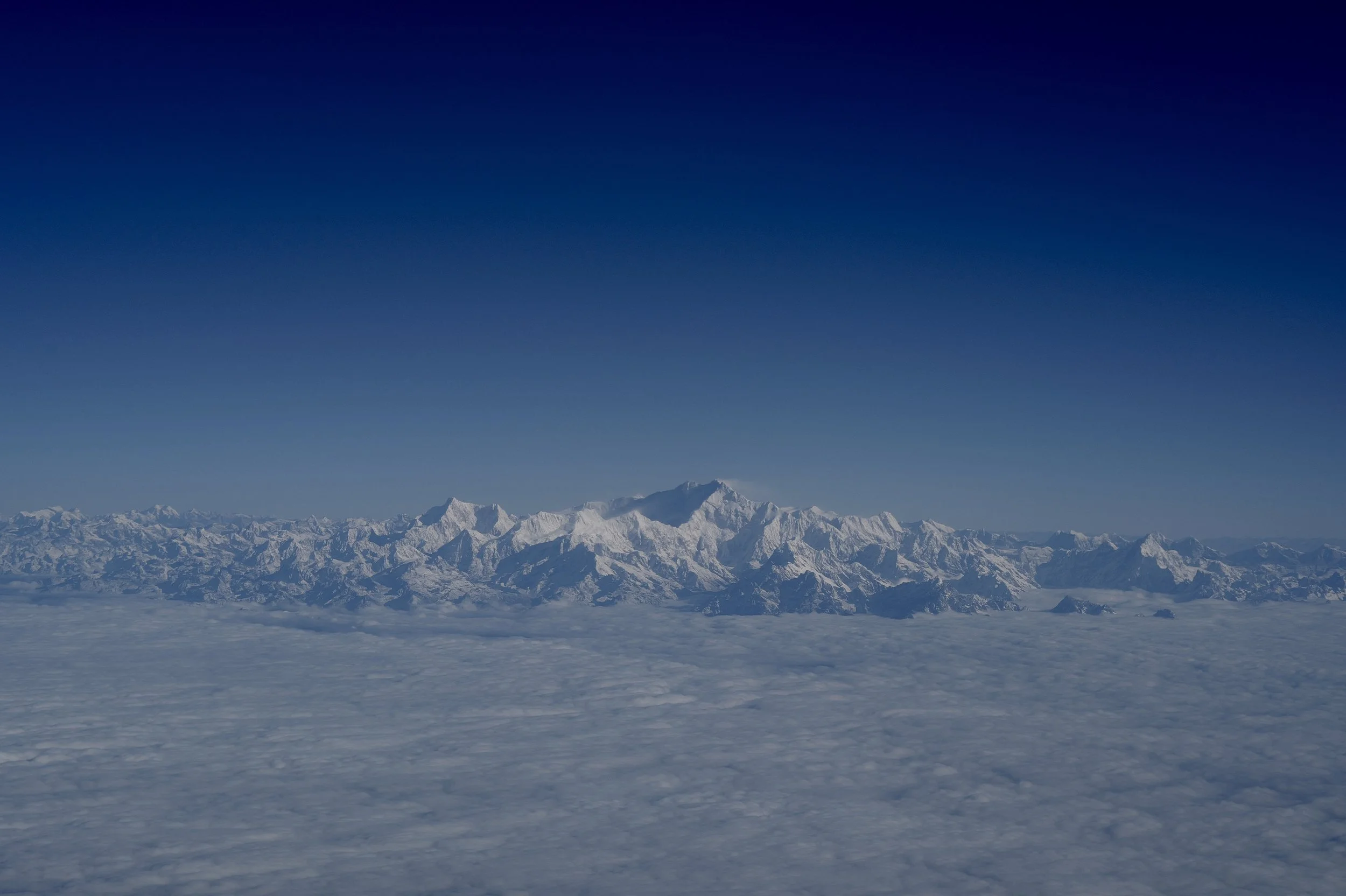
You’ll likely get into Bhutan with one of its two airlines - the only ones flying into the Country - Bhutan Airlines or Drukair. Either way, while their network is being expanded, you’ll likely fly in from Delhi or Kathmandu in the only international airport, Paro. If you’re flying from Delhi, do yourself a favor and choose a seat on the left hand side of the plane. This is going to be the view over the Himalayas!
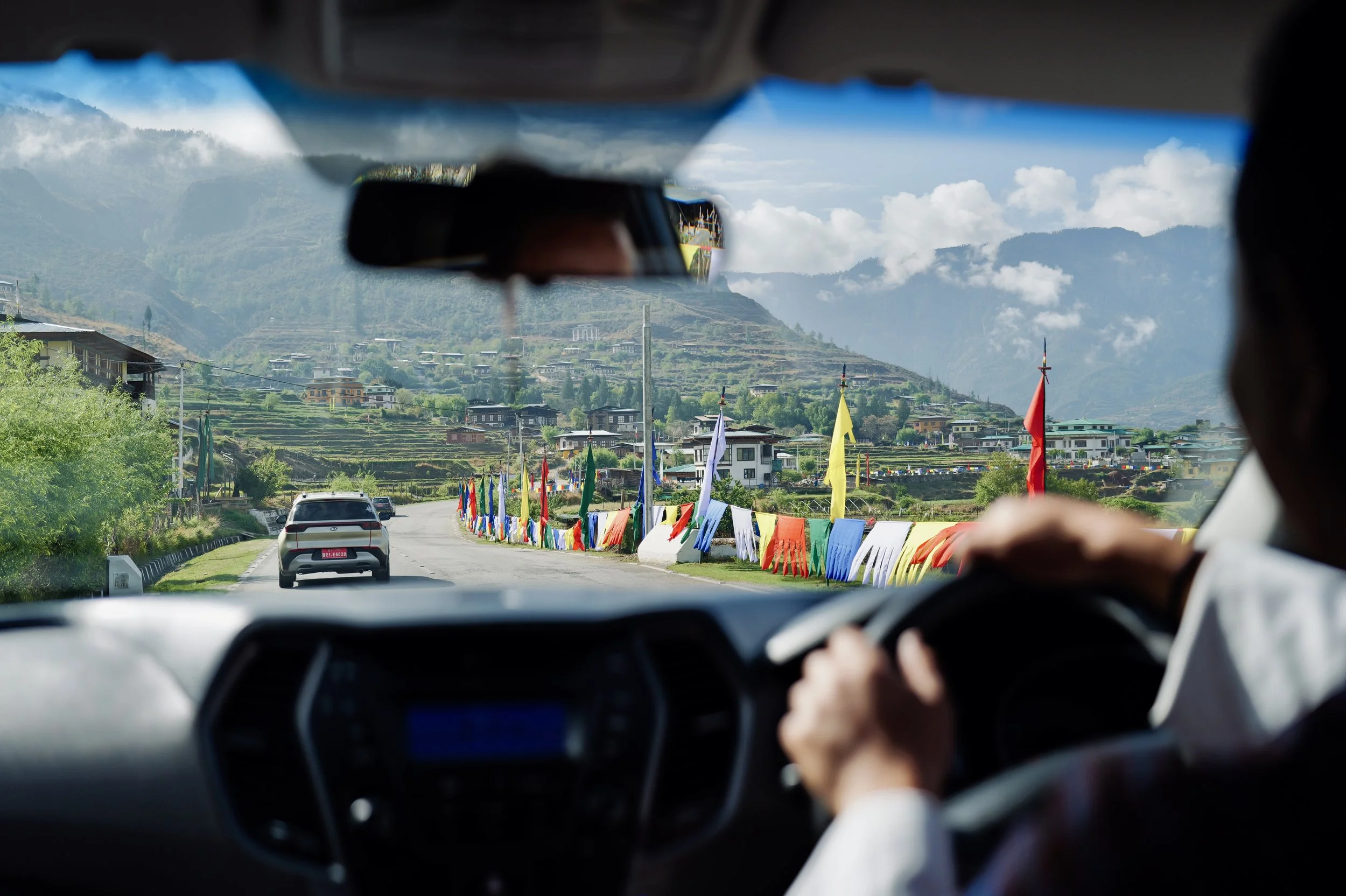
Once you land, likely in the morning, we recommend asking your driver to go straight to Thimphu, Bhutan’s quaint capital. It’s a one and a half hour trip, during which you’ll keep looking outside the window, astonished by Bhutan’s colorful mountains and landscapes.
The arrival at Amankora Thimphu is a moment you won’t forget - Aman’s attention to every small detail and the respect towards Bhutanese culture, materials and food, is immediately clear to the travelers’ eye. The 8-rooms hotel is entirely built with local materials - and this is what you find when you enter your room!
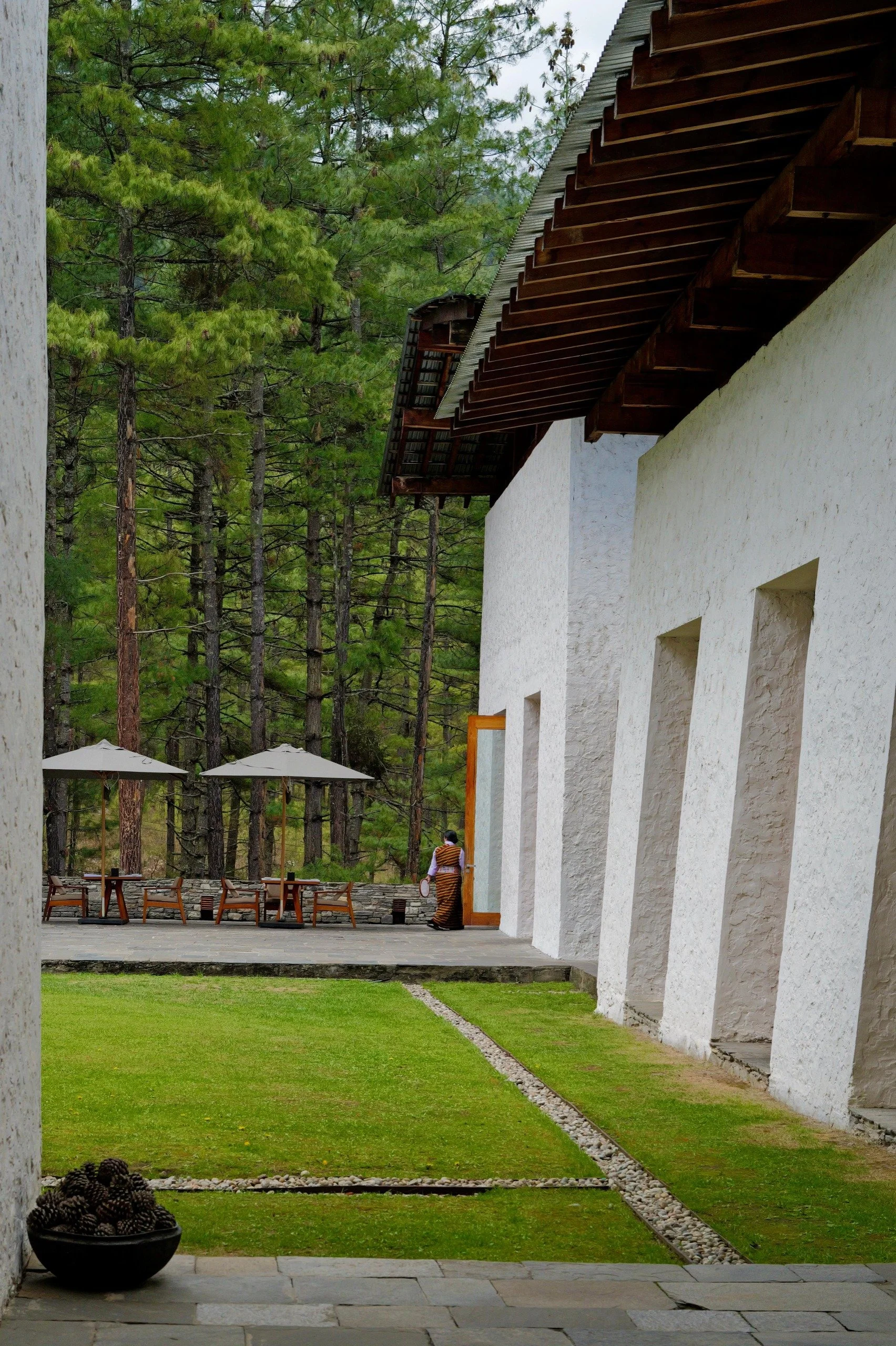
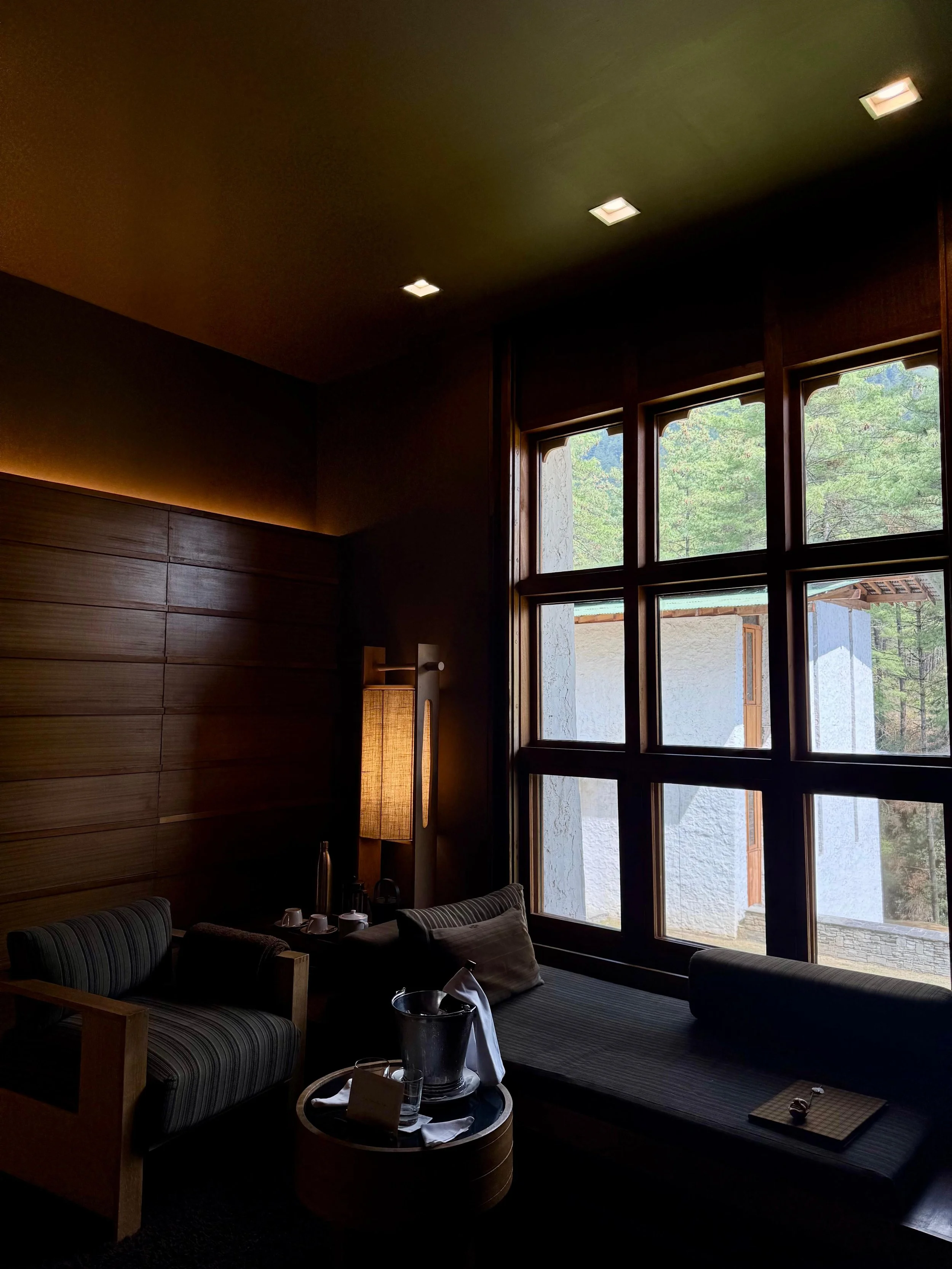
The hotel is completely surrounded by a forest - the only noises you’ll hear are the leaves’ rustling and the birds singing. Start feeling peaceful already!
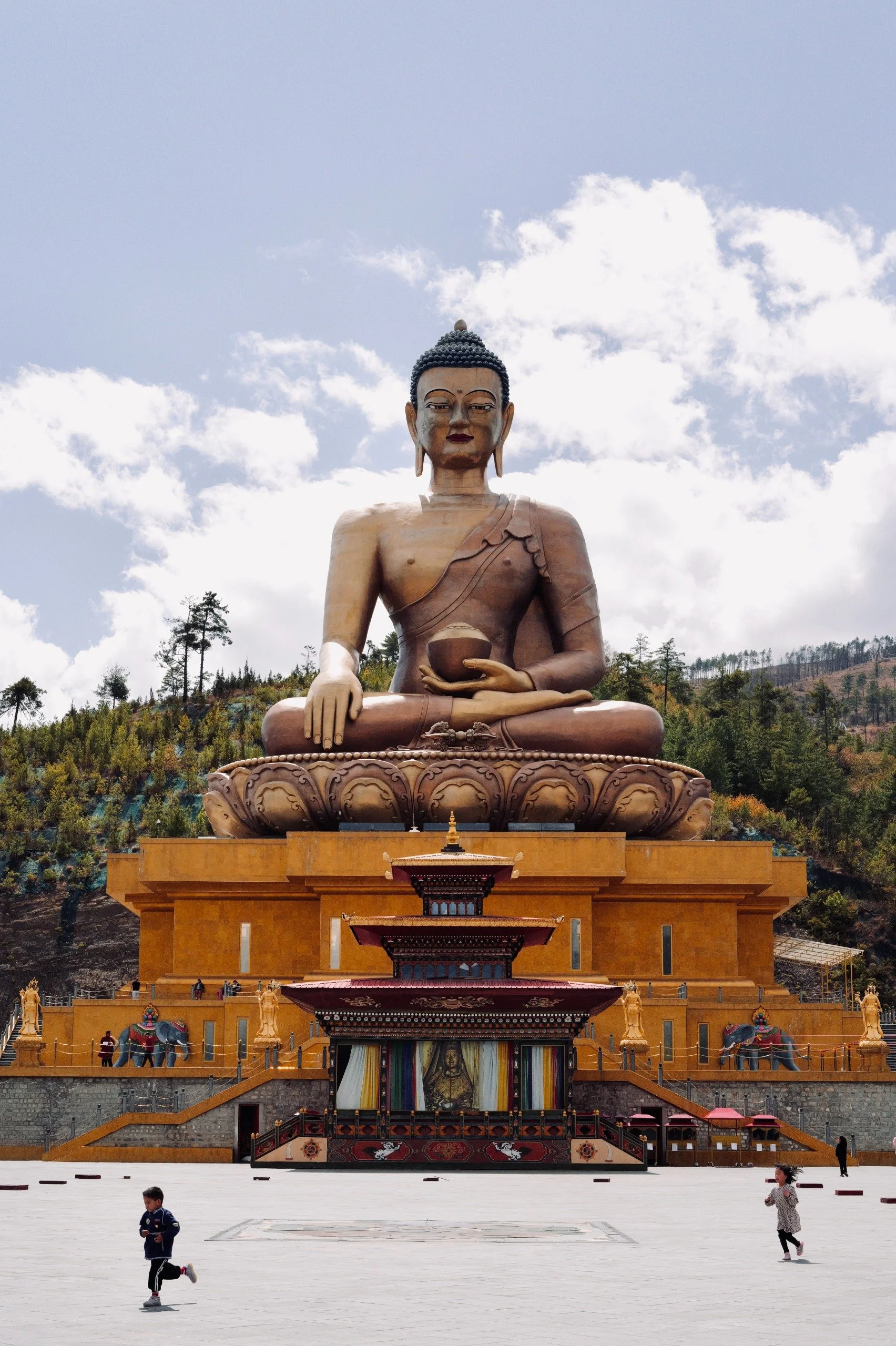
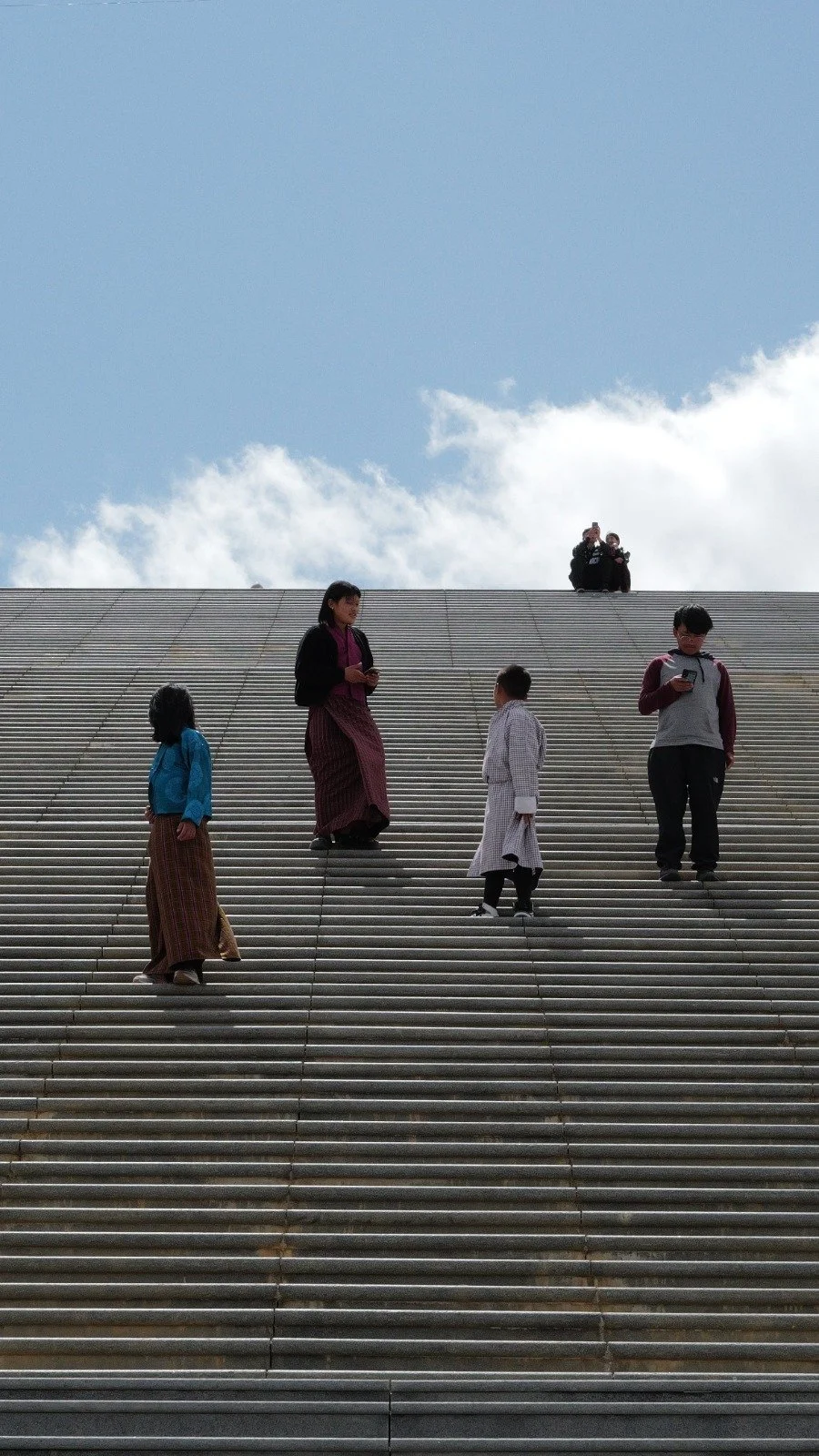
After a fantastic lunch at Amankora (and maybe a well deserved nap), pay a visit to the majestic Buddha Dordenna statue - The first impact with Bhutan’s Buddhism is striking as this recent, 54-meters tall bronze and gold statue sits on top of a dramatic series of flights of stairs.
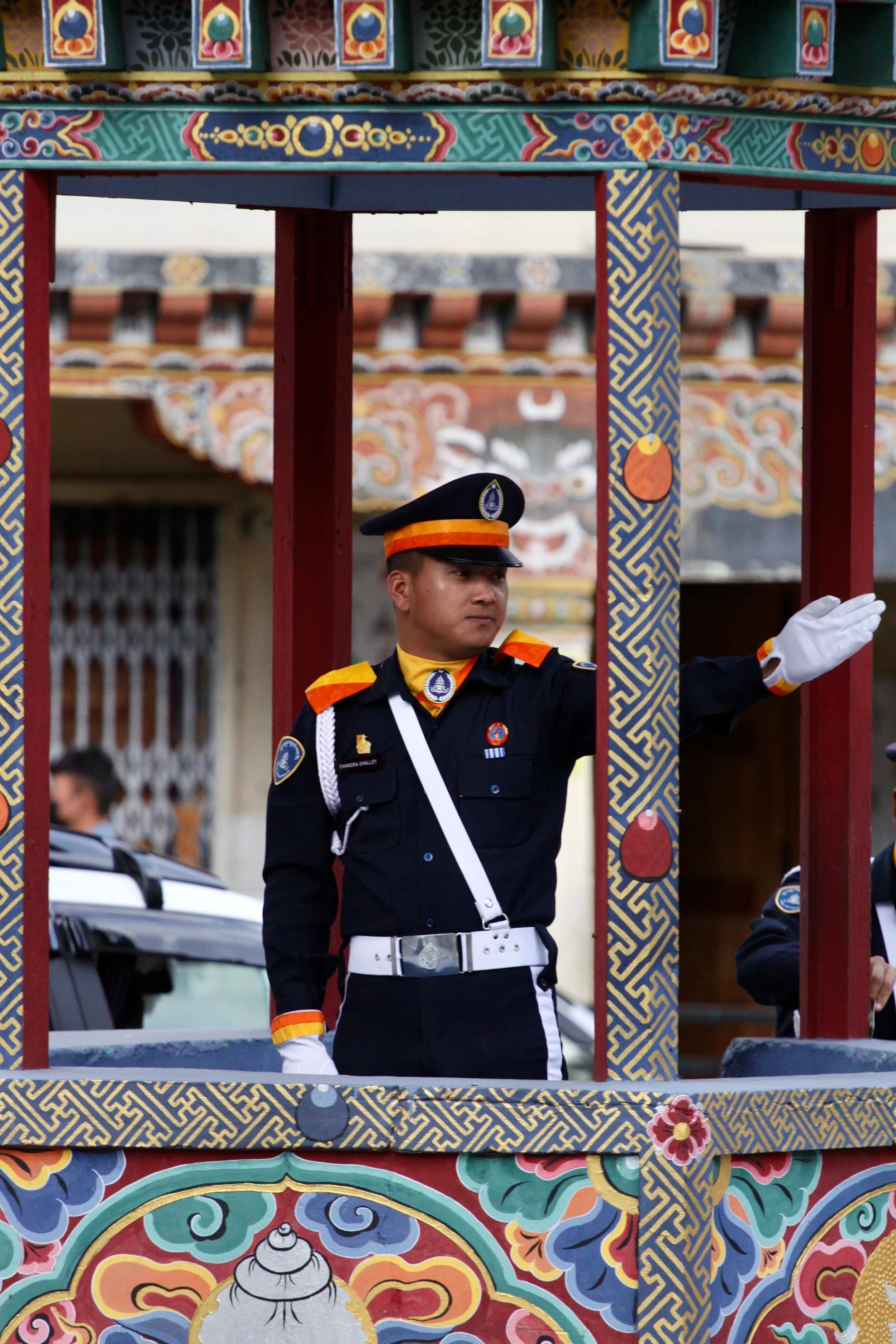
Take a stroll in Bhutan’s capital! Make sure to hit Mountain Cafe for a fantastic coffee, and the colorful farmers’ market. You’ll notice there are no traffic lights in the city, but only a traffic policeman on the main road. Be sure not to miss him - he is spectacularly dressed and his movements are as elegant as his handmade and painted, wooden kiosk.
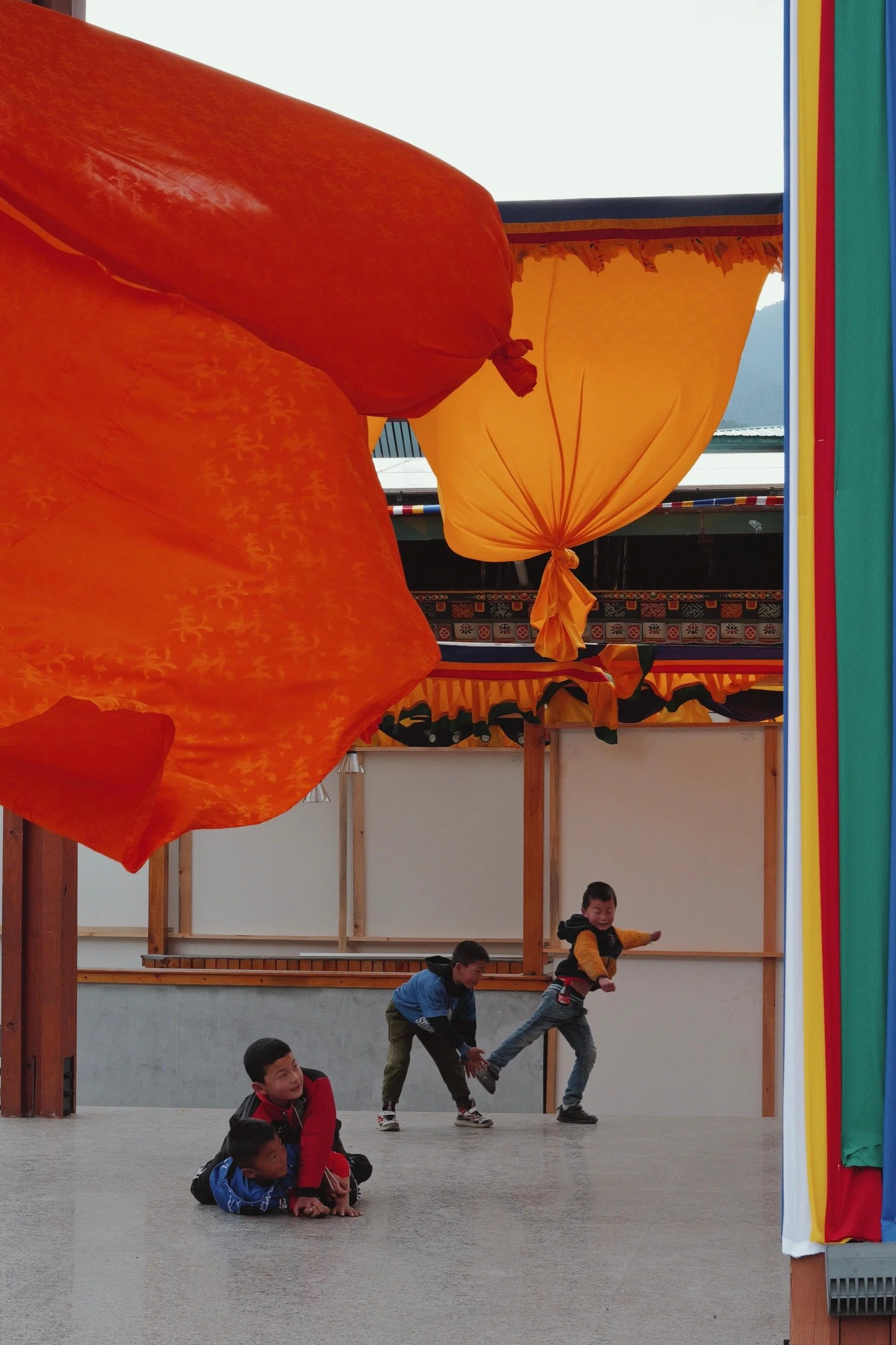
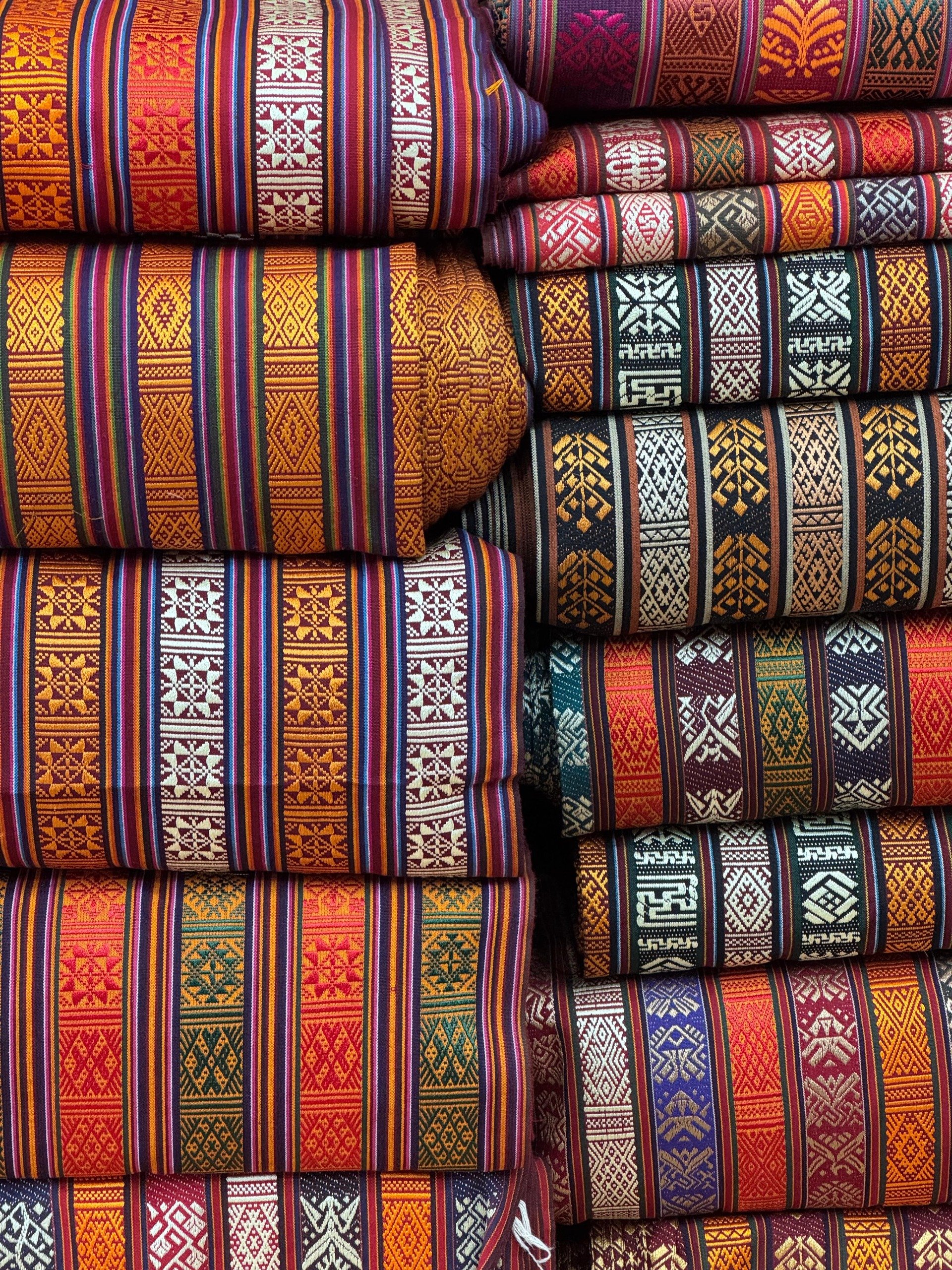
The best shopping in the Country is going to be in Paro, but you can of course check out the shops on the main road - some of them sell handicrafts and beautiful fabrics.

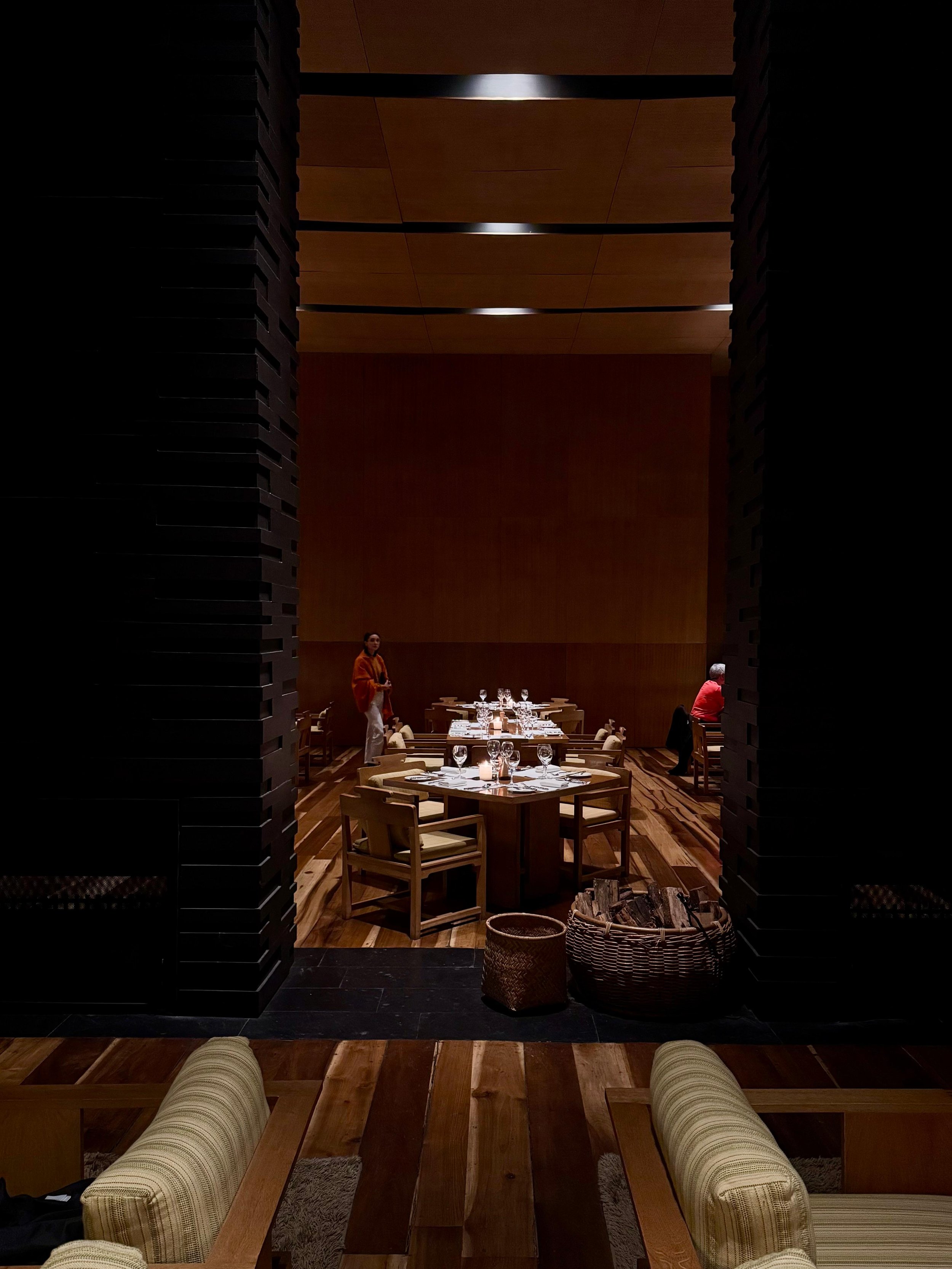
You’ll probably be exhausted and ready for some down time at the hotel by now. Dinner will be served inside the restaurant hall, a beautiful setting with incredibly high ceilings. The dinner at Amankora Thimphu is simply outstanding, offering a mix of Bhutanese and international dishes.
Day 2 - Your first unforgettable Bhutanese hike
Rise and shine! Every morning at Aman’s properties you can decide to start your day either with a Yoga or Sound healing session.
After enjoying a beautiful, outdoor breakfast at Amankora Thimphu, head with your guide to the beginning of a beautiful hiking trail leading to the hidden monk village of Dodedrak. This hike takes half a day and is the perfect kick off for your hiking season. On e more reason to go there: it’s not a particularly touristy destination, meaning you can be lucky enough - as we were - to experience the place on your own.
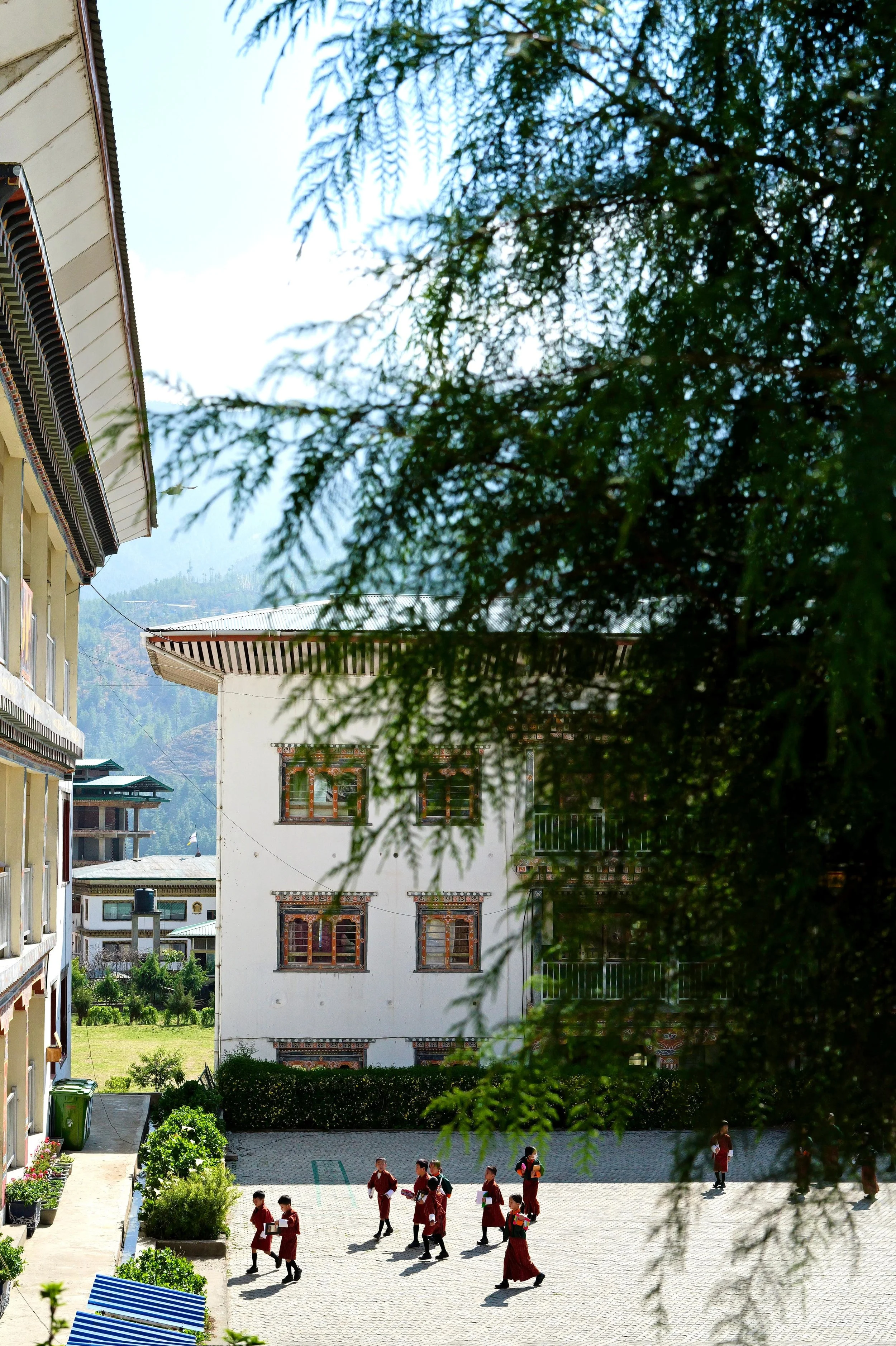
The beginning of the trail is next to an elementary school - if you’re lucky you’ll see the kids joyfully running to the entrance.
You’ll start climbing up pretty steeply, so if you’re not well trained take your time, there’s no rush! On the contrary, you’ll slowly see Thimphu getting farther and farther, slowly immersing yourself in pure nature. The views on the way are simply astonishing!
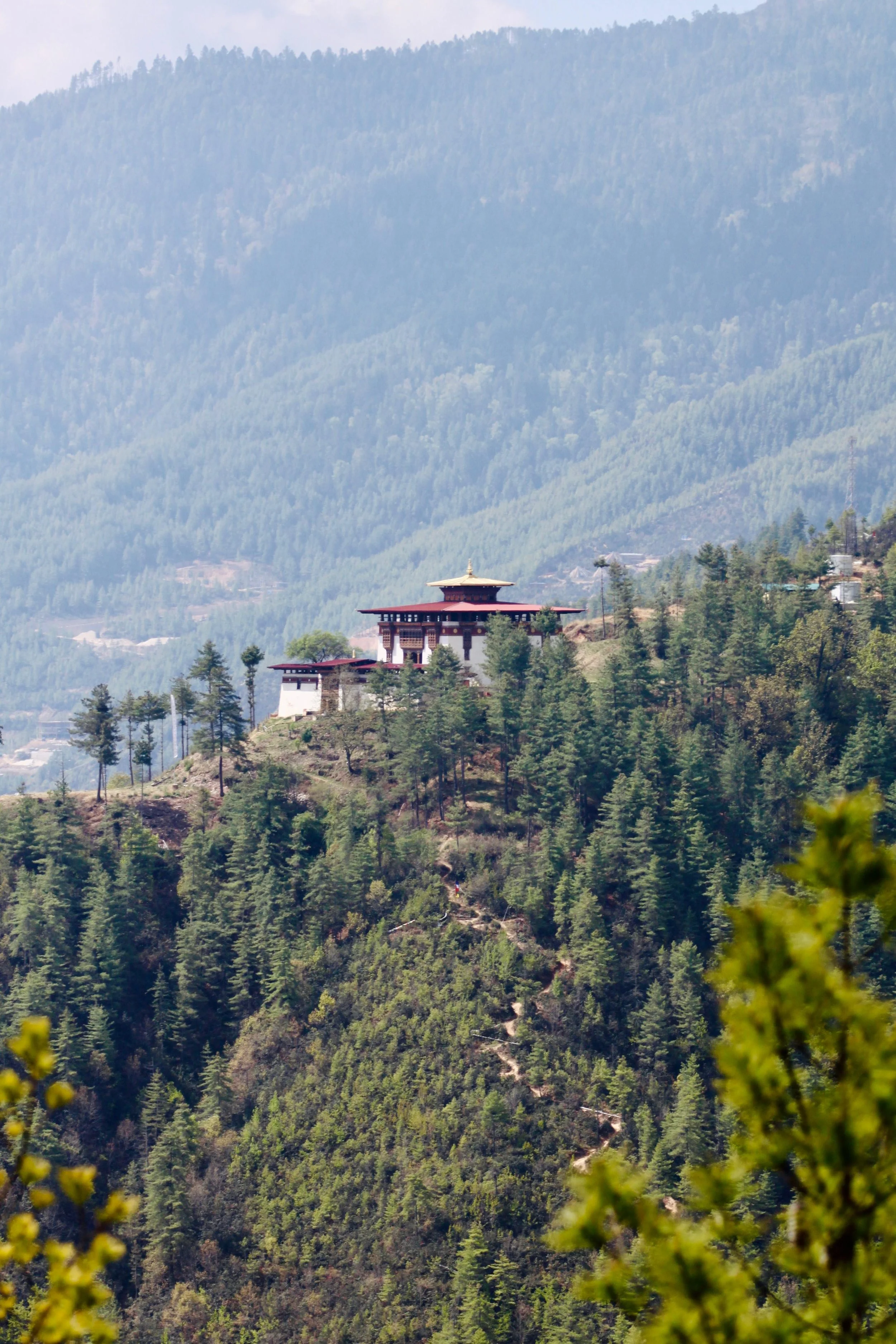
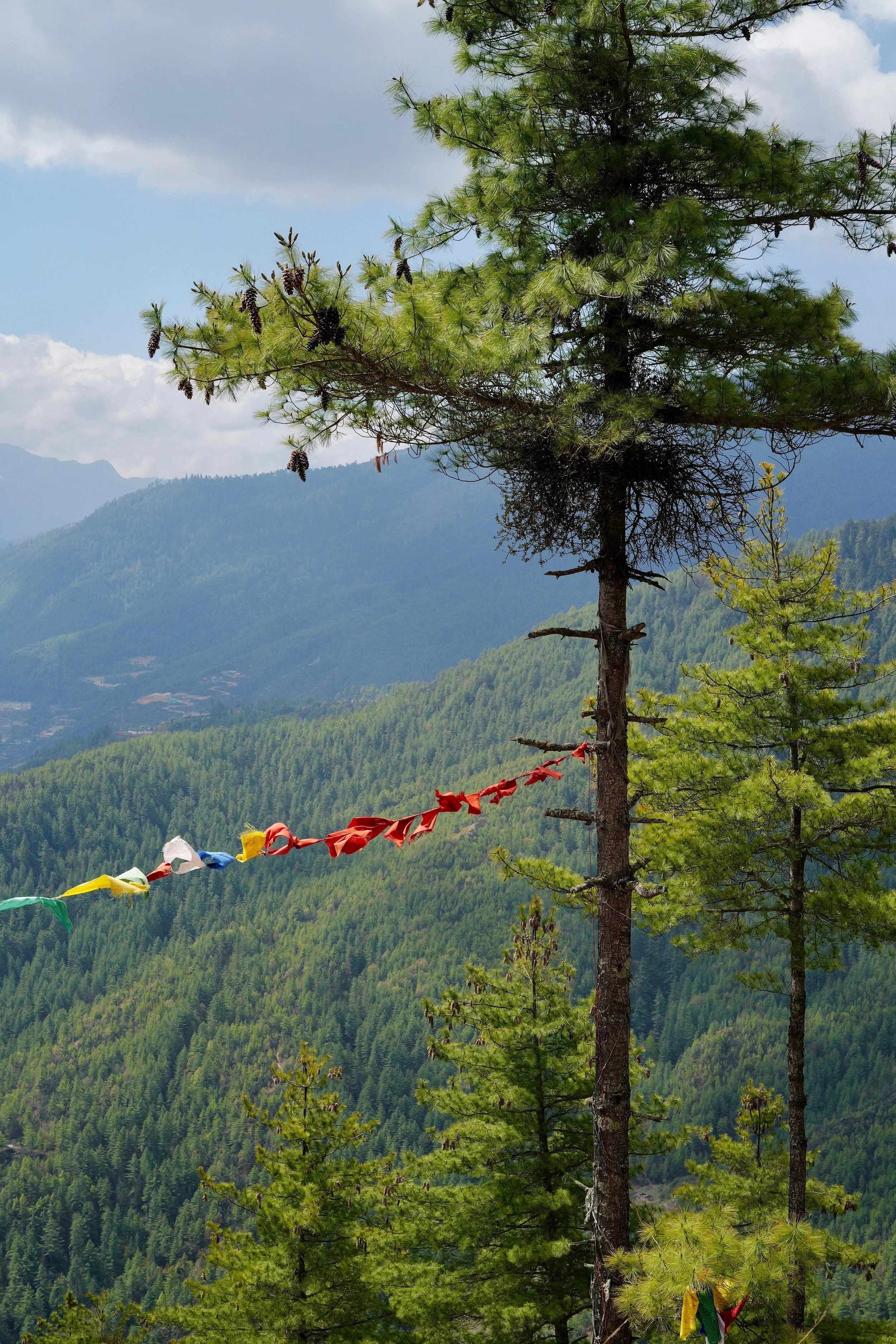
After a few minutes, you’ll be surrounded just by trees and flowers (and some mantra flags, of course!) After a couple of hours, you’ll arrive in a tiny, isolated village, populated by monks only.
You’ll feel absolutely speechless - the colors, the atmosphere, the isolation, the rhythm of the village entirely dictated by prayers and meals.
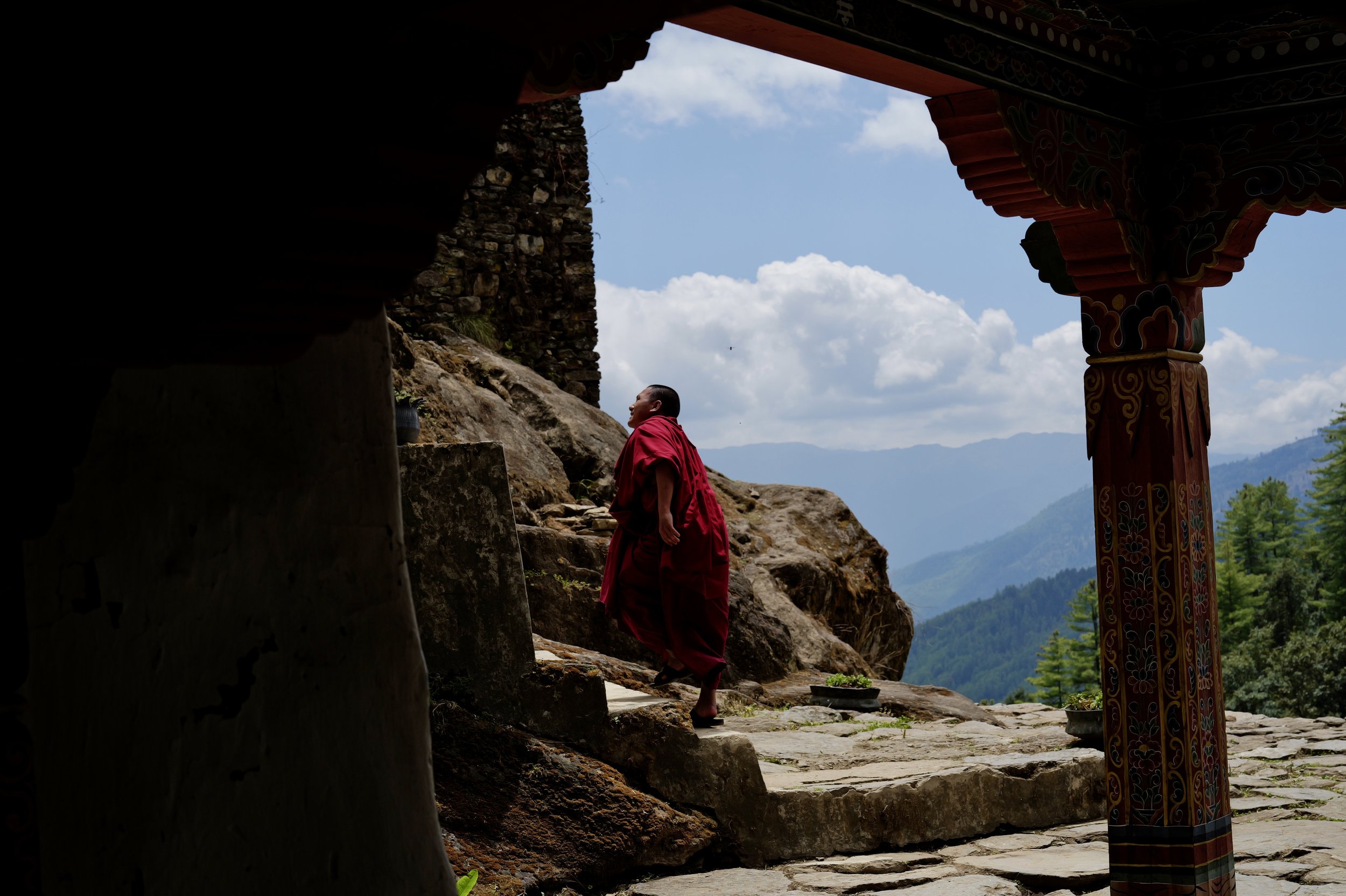
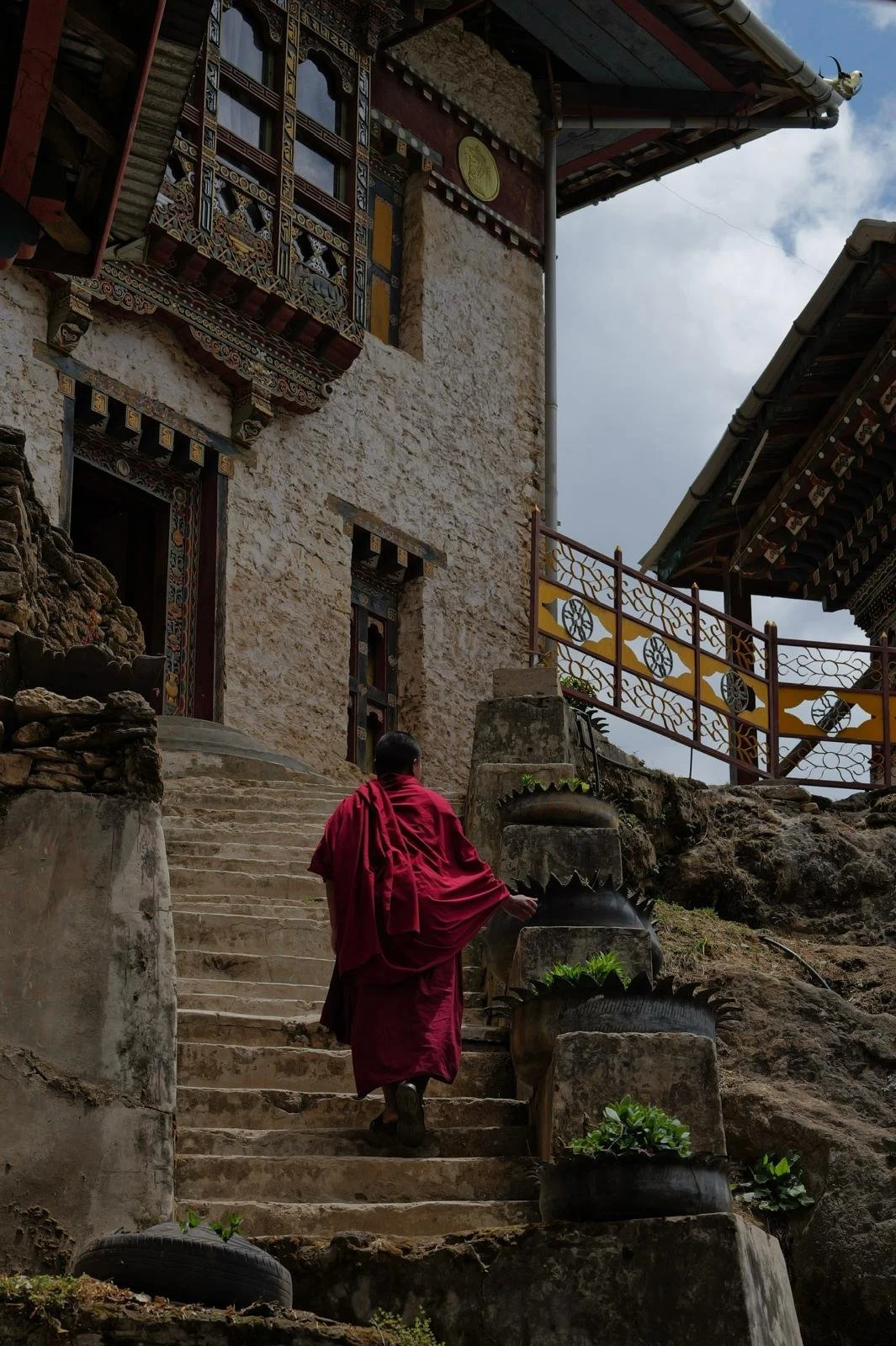

It’s going to be difficult to have a conversation with the monks as they speak English very rarely, but you can ask your guide to be your interpreter!
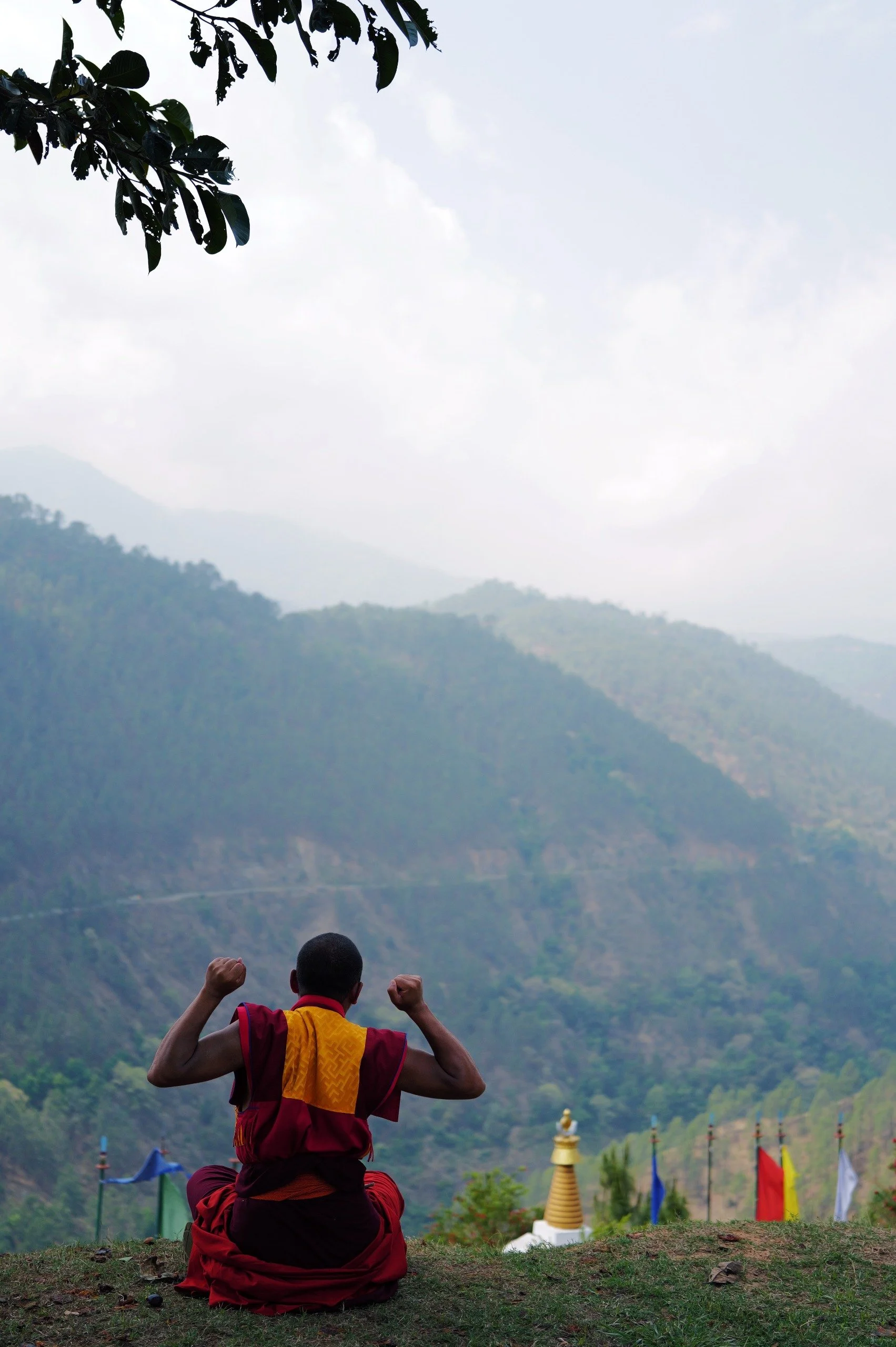
On the way back you’ll go through a different, less steep route, during which you’ll pass by fantastic viewpoints over the valley. You’ll also pass near some tall white prayer flags - known as Manidhar - raised as a memorial for the deceased in some of Bhutan’s most beautiful corners.
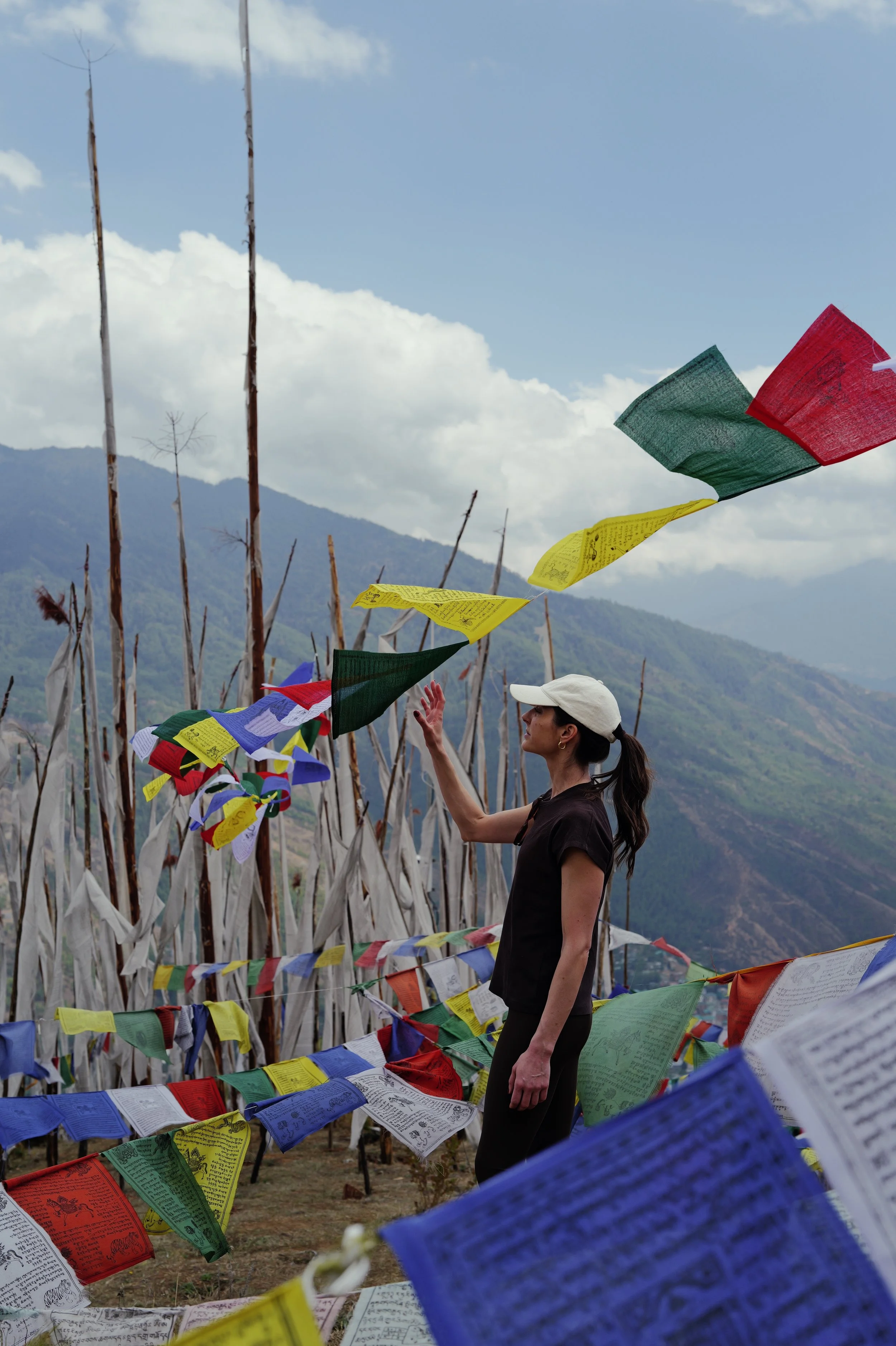
At the end of the descent, your Amankora driver will be waiting for you with a shockingly beautiful picnic to regain some energy.
In the afternoon, you can either go back to the hotel to relax or keep going and visiting. We decided to visit the beautiful 16th Century Pangri Zampa Monastery. Here we witnessed one of the most incredible scenes of the trip: a yearly celebration called Jana Chido, an offering organized by the Panri Zampa School of Astrology to fight misfortunes and to have peace in the Country. It takes place every year for nine days in April. Locals, all dressed in traditional clothes, would line up for hours to have a chance to participate.
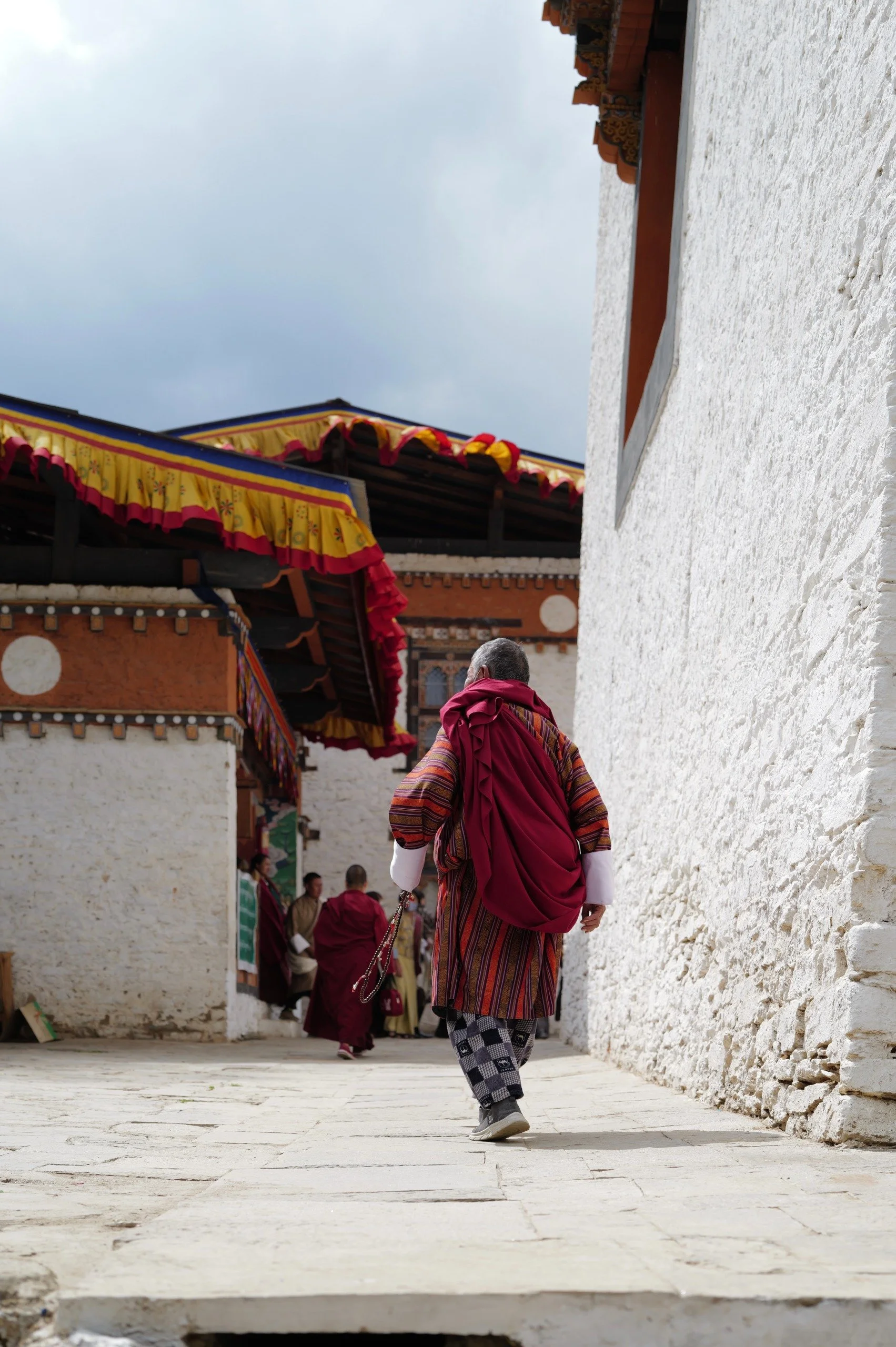
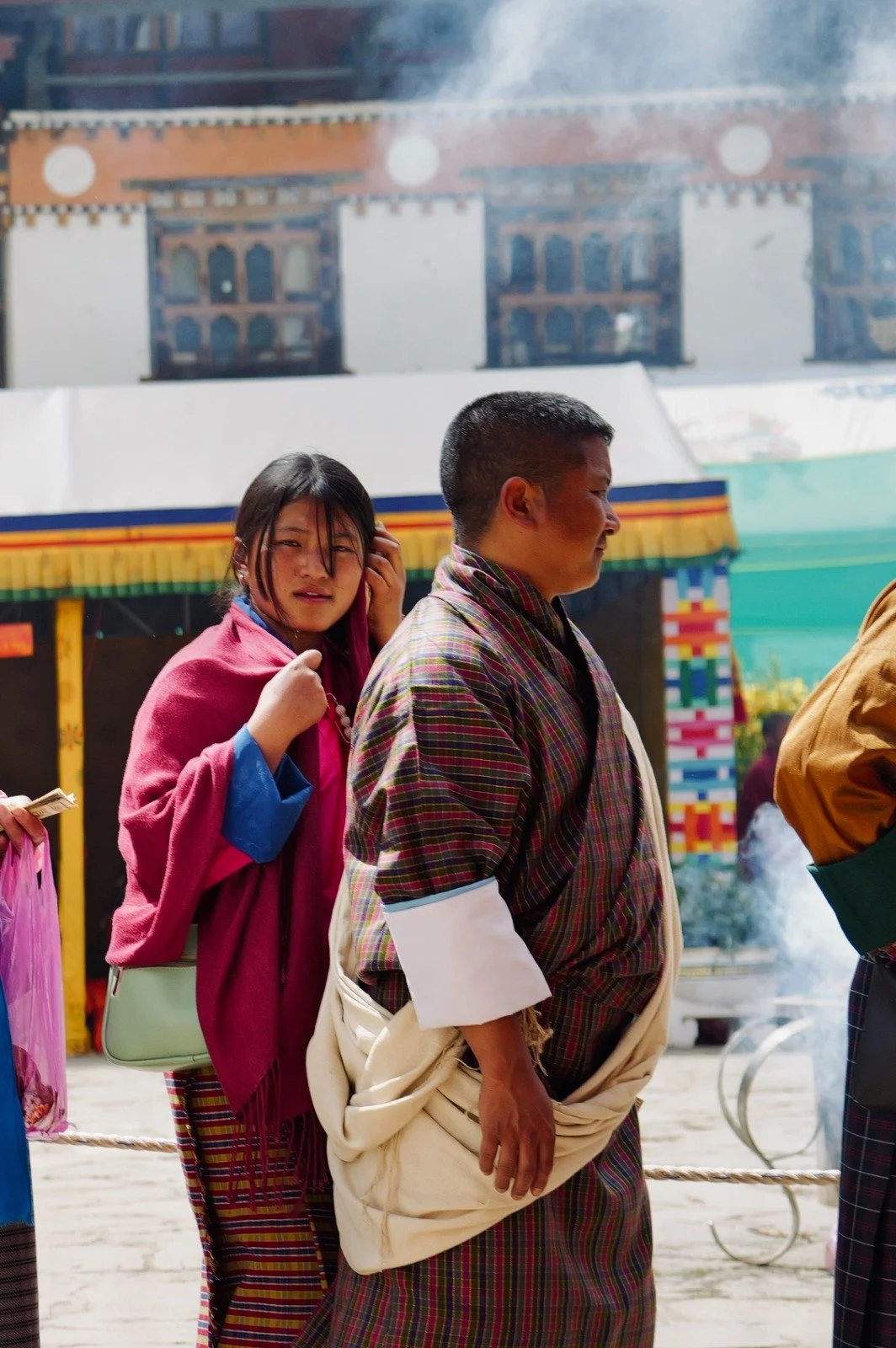
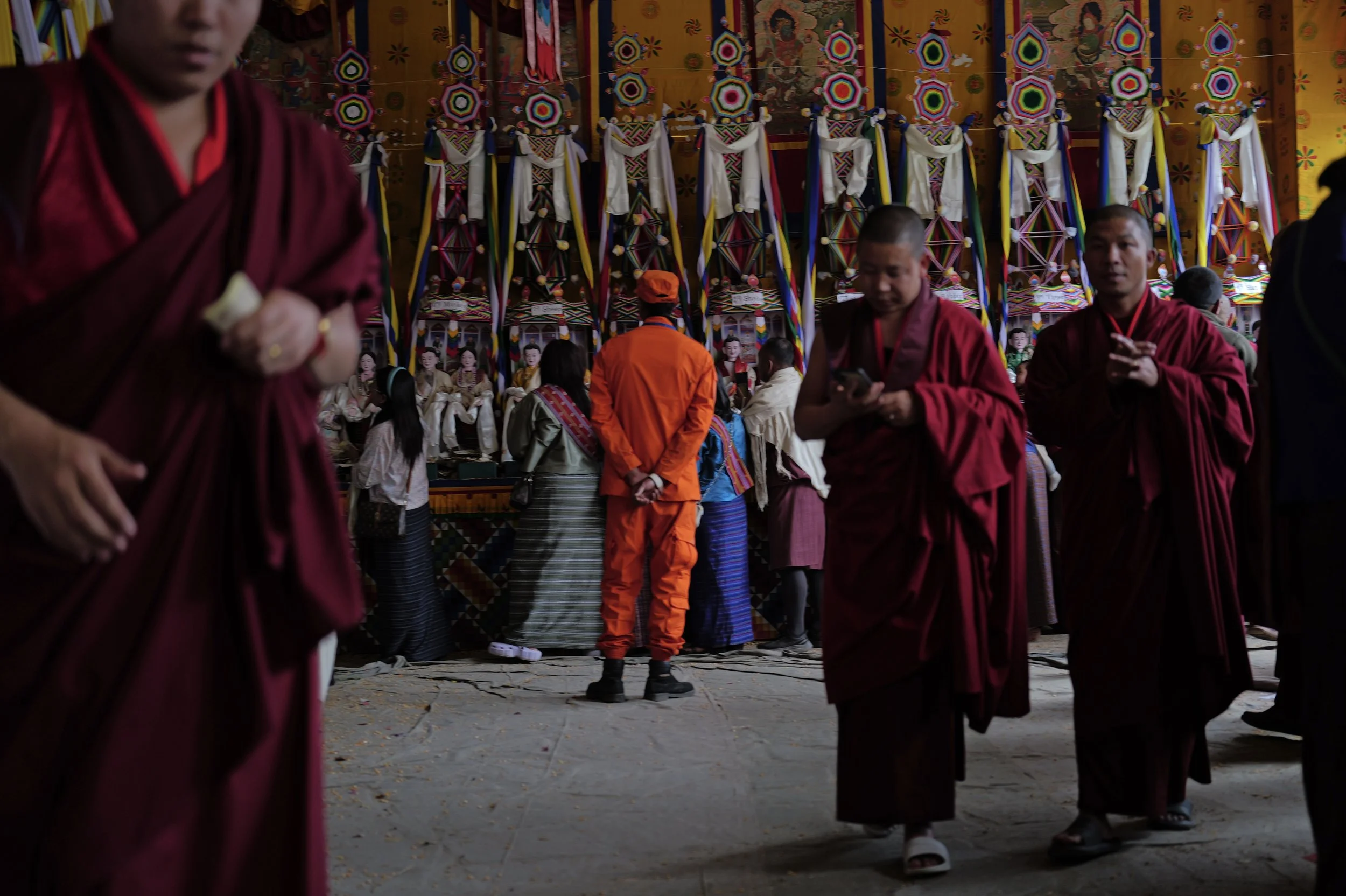
No photo or paragraph will ever be able to describe the emotion to witness this deep ceremony from this close!
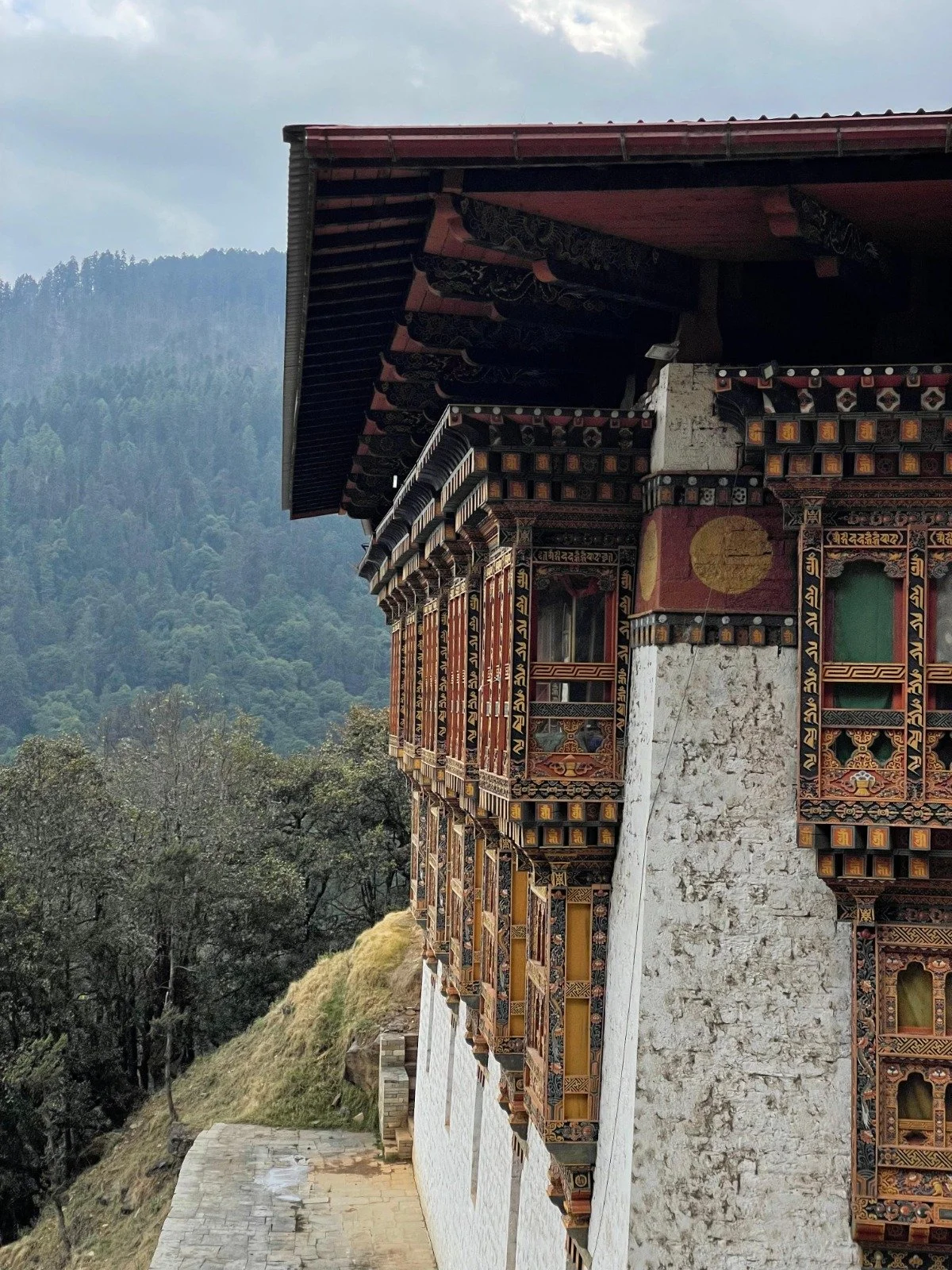
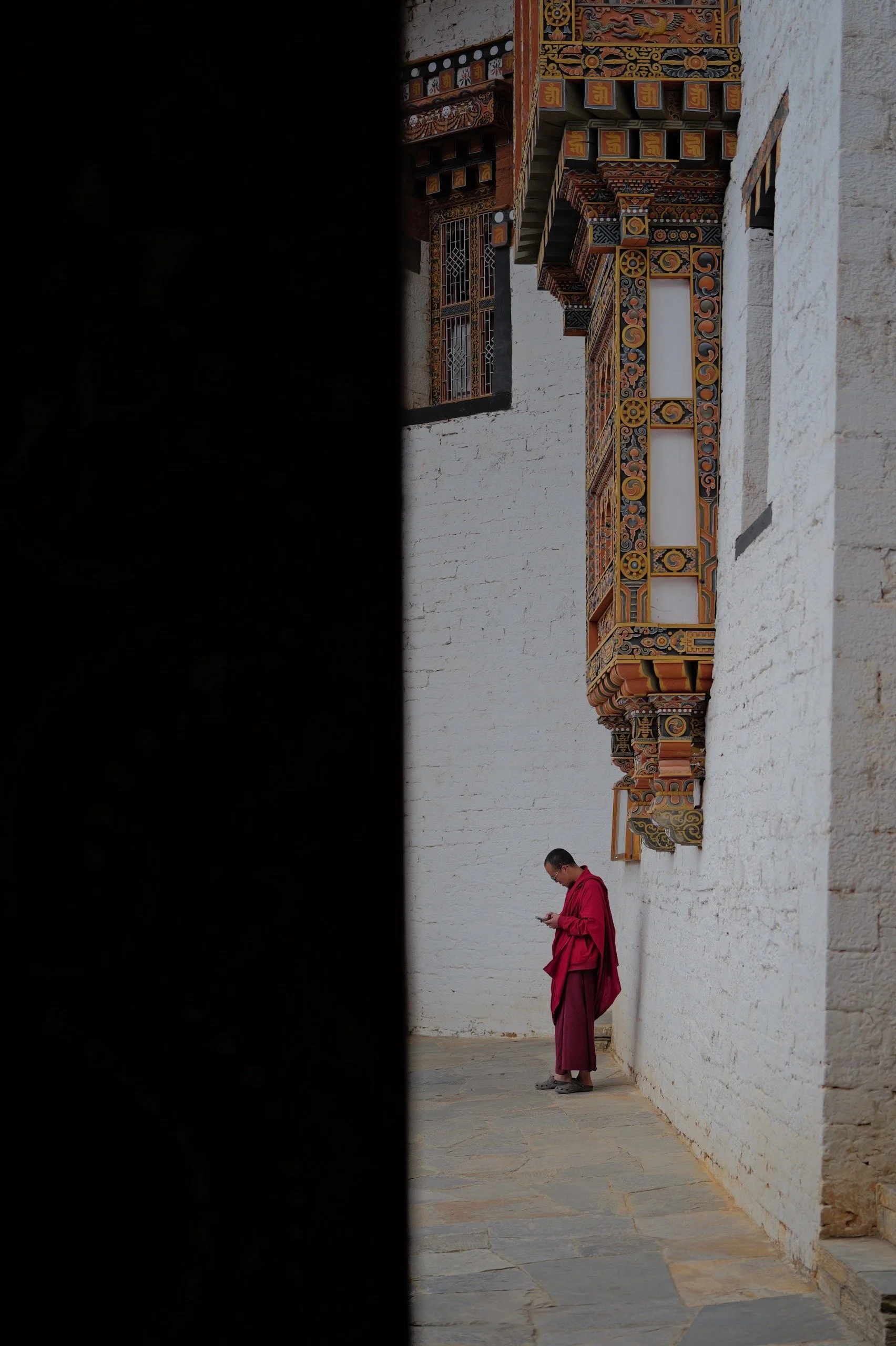
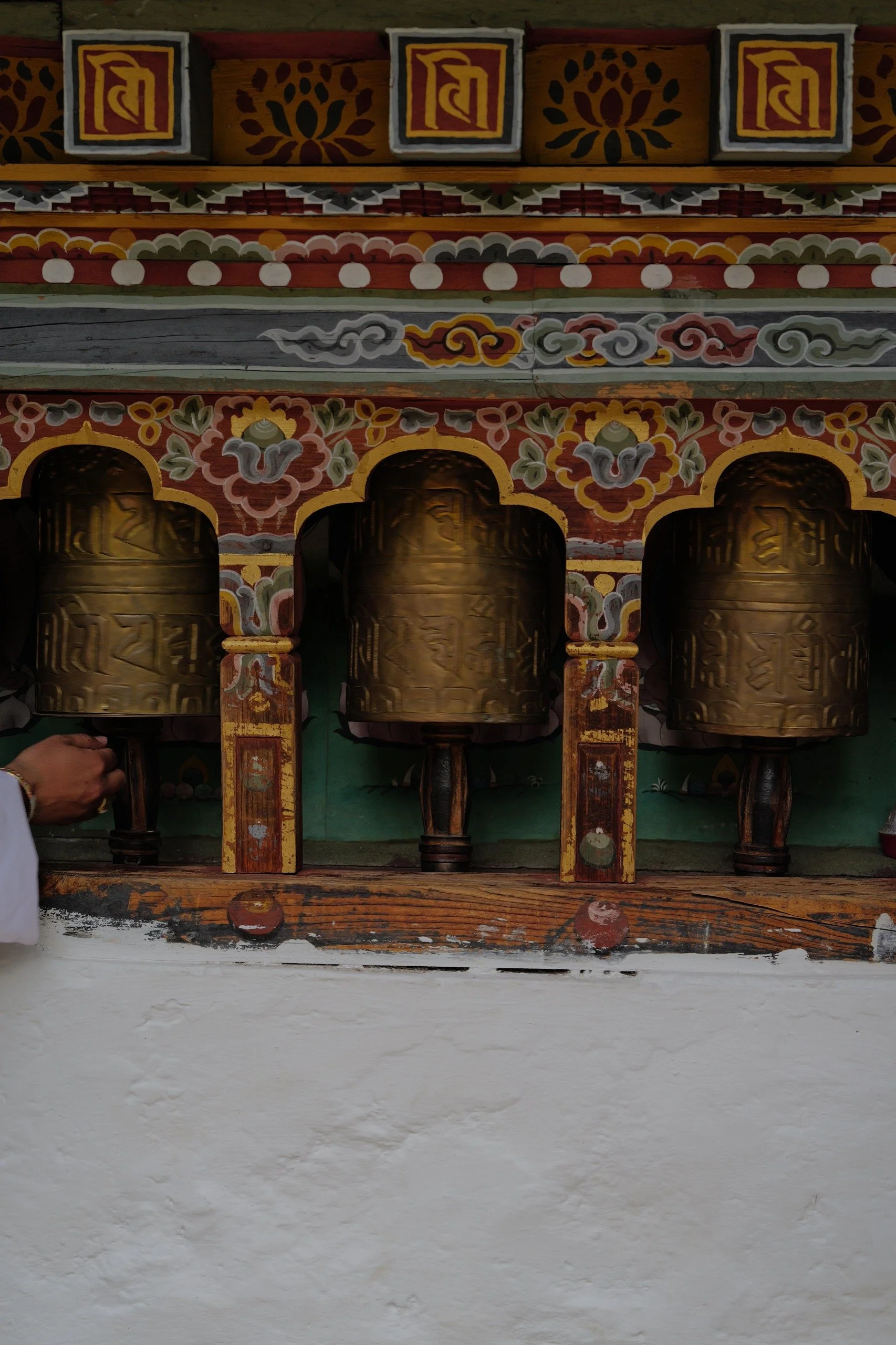
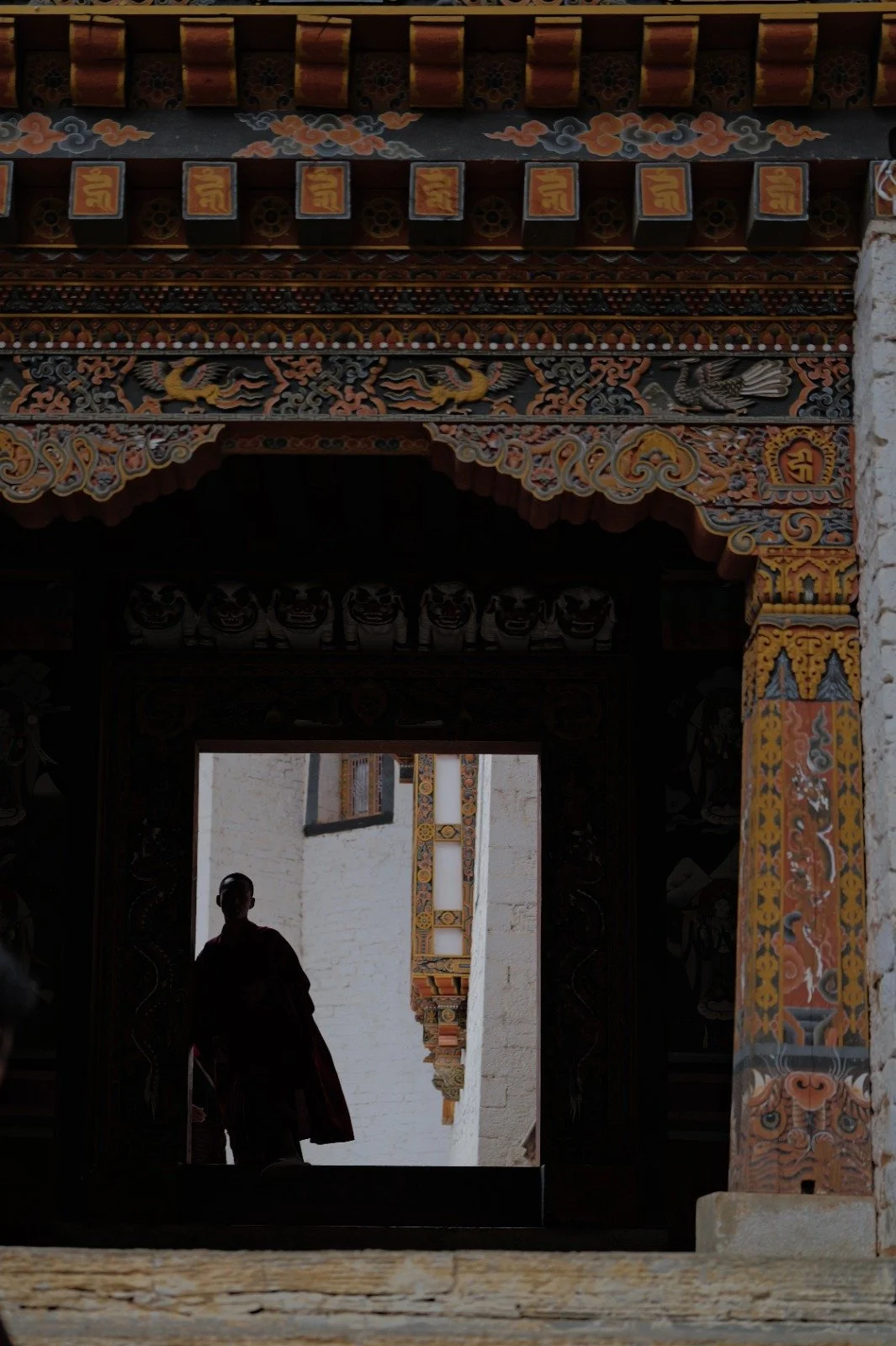
After visiting Pangri Zampa we were very tired, but still decided to continue for a visit to the magical 17th Century Cheri Monastery (also called Chagri Dorjeden). In order to get there you need to cross a river on an ancient bridge and then walk 45 minutes uphill.
The hike was absolutely worth it - Once again we were the only tourists visiting the Monastery.
It’s now time to head back and enjoy some down time and a dinner at Amankora Thimphu.
Day 3 - The magic Punakha Valley
Sadly, it’s already time to say goodbye to Amankora Thimphu (of course after a hearty breakfast) to start the valley crossing from Thimphu to Punakha, a two and a half hours ride.
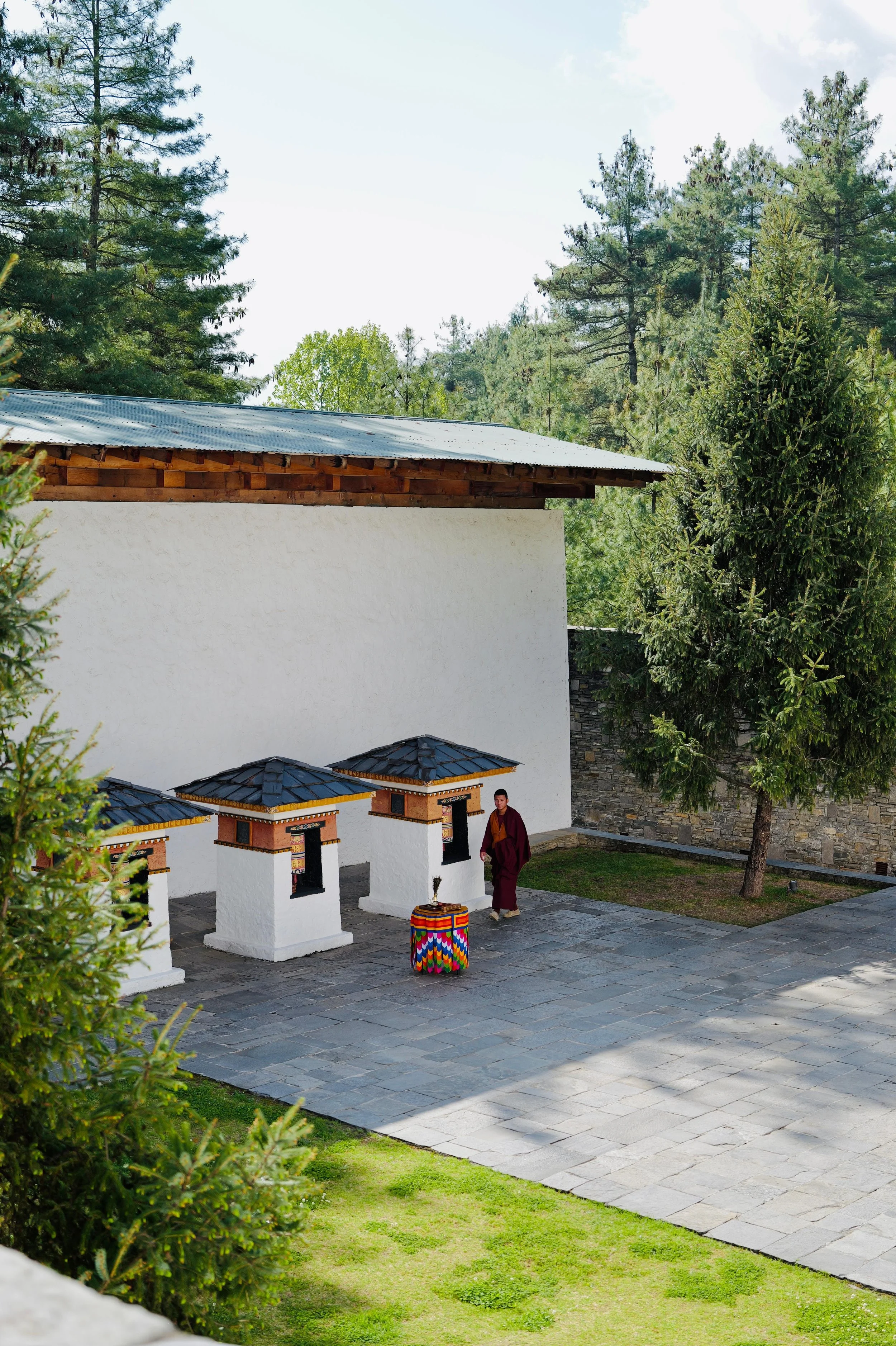
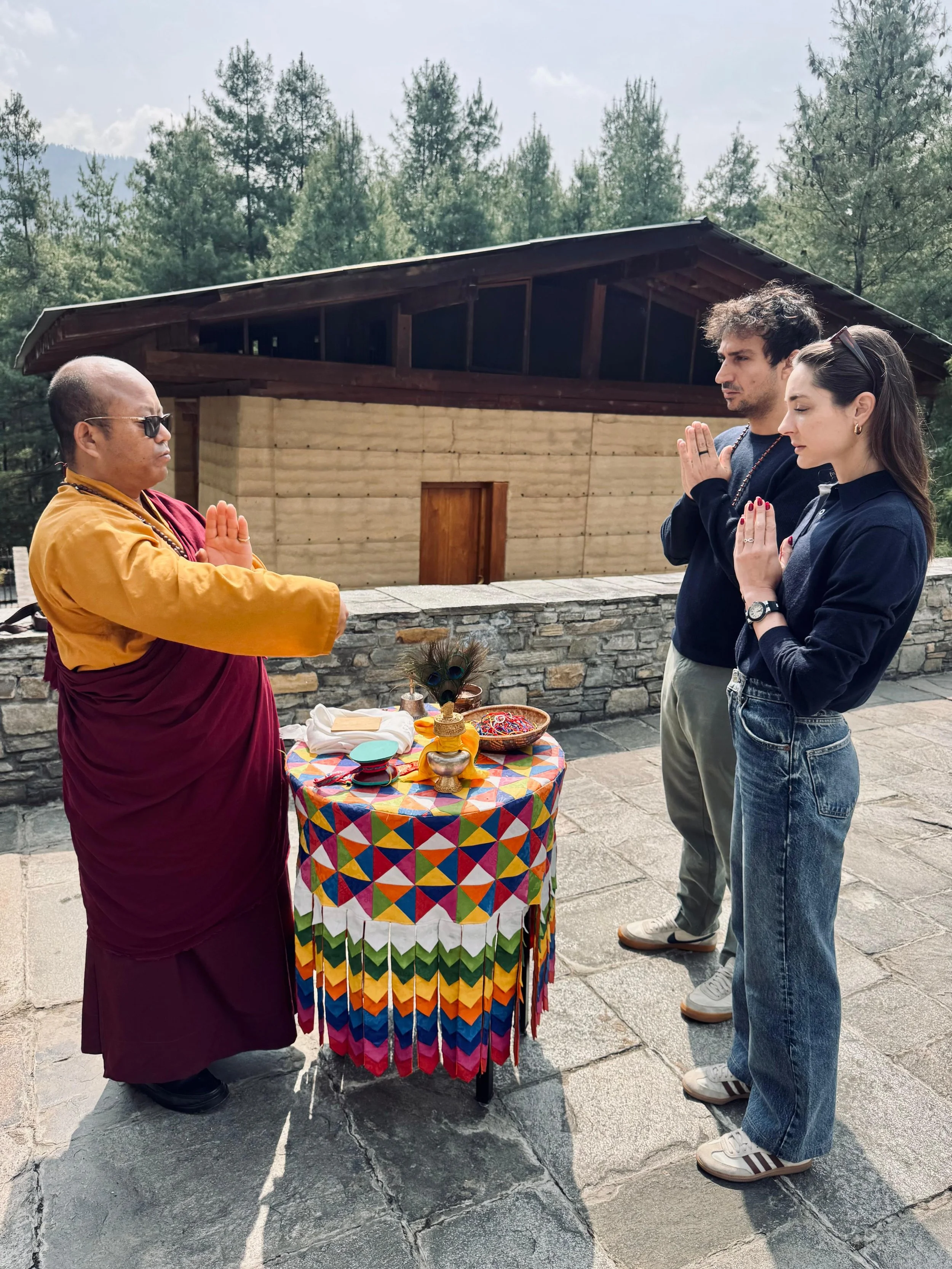
Before leaving each hotel, Amankora organizes a small ceremony with a monk to say goodbye and wish you a blessed journey ahead, a small but truly meaningful gesture that we loved.
On the way to Punakha, stop by Chimi Lhakhang, the fertility temple built in 1499. Here the tradition is for women who want to get pregnant to walk around the temple three times carrying a giant wooden phallus - inside the temple you can find a book of pictures sent by couples with their newborns after visiting it.
Welcome to Amankora Punakha! The hotel’s main house - where the restaurant and other common areas are located - was built around 300 years ago by a former Chief Abbot of Bhutan as a residence to oversee the surrounding rice paddies and fruit orchards and it then became the residence of the Queen Mother.
As you can see, the courtyard is simply iconic.
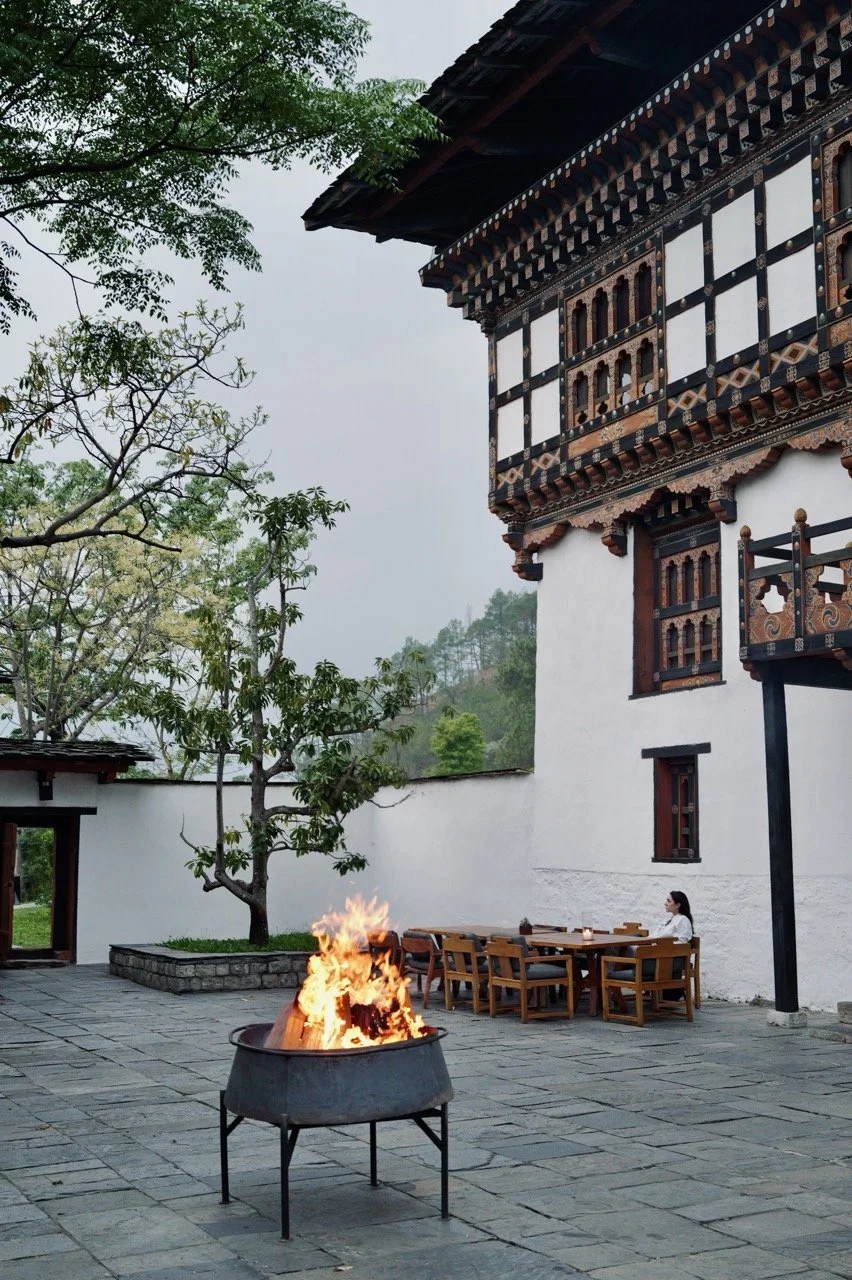

Amankora Punakha features 12 rooms and an incredible infinity pool overlooking the green valley underneath. Spend your afternoon here to reminisce about your first couple of days in the Kingdom and relax while listening to the birds’ chirping.
Amankora likes to be persistent with the rooms’ look across hotels, even though each one has a specific flavor which connects you to the location you’re in.
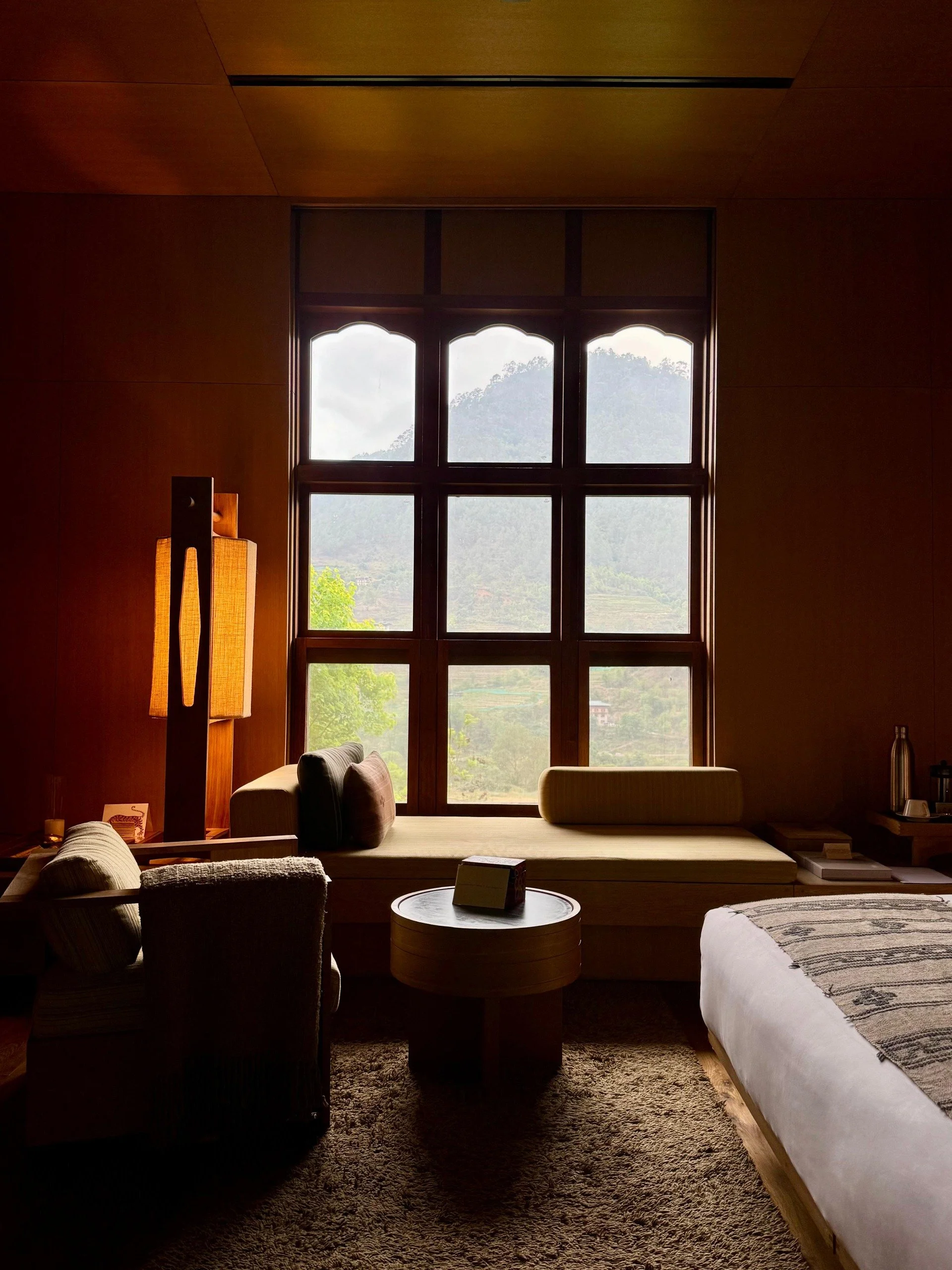
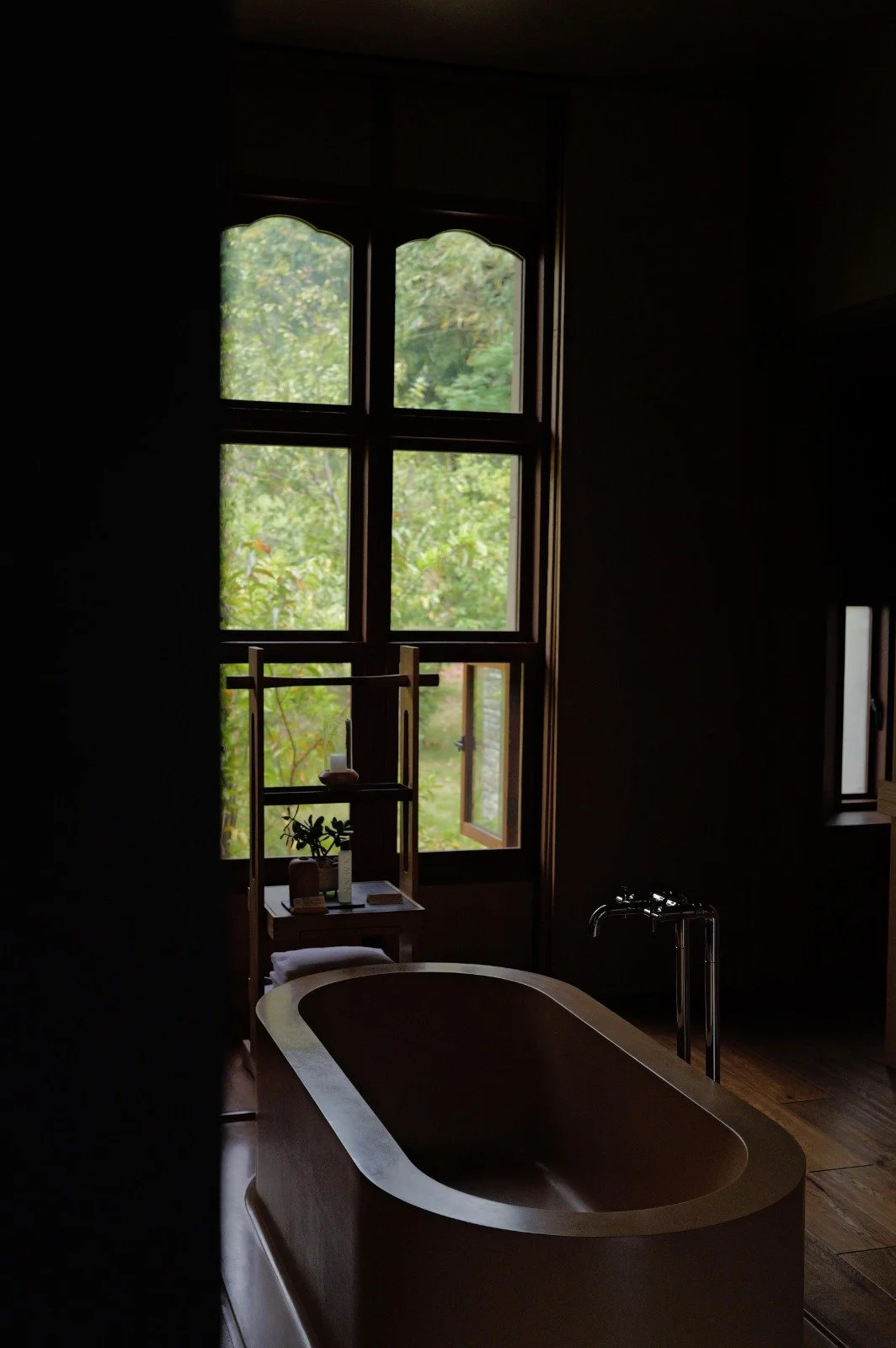
Enjoy your evening with Amankora’s outstanding mix between local and international dishes and their fantastic selection of wines and spirits.
Day 4 - Punakha core - Hike through the fields and visit the iconic dzong
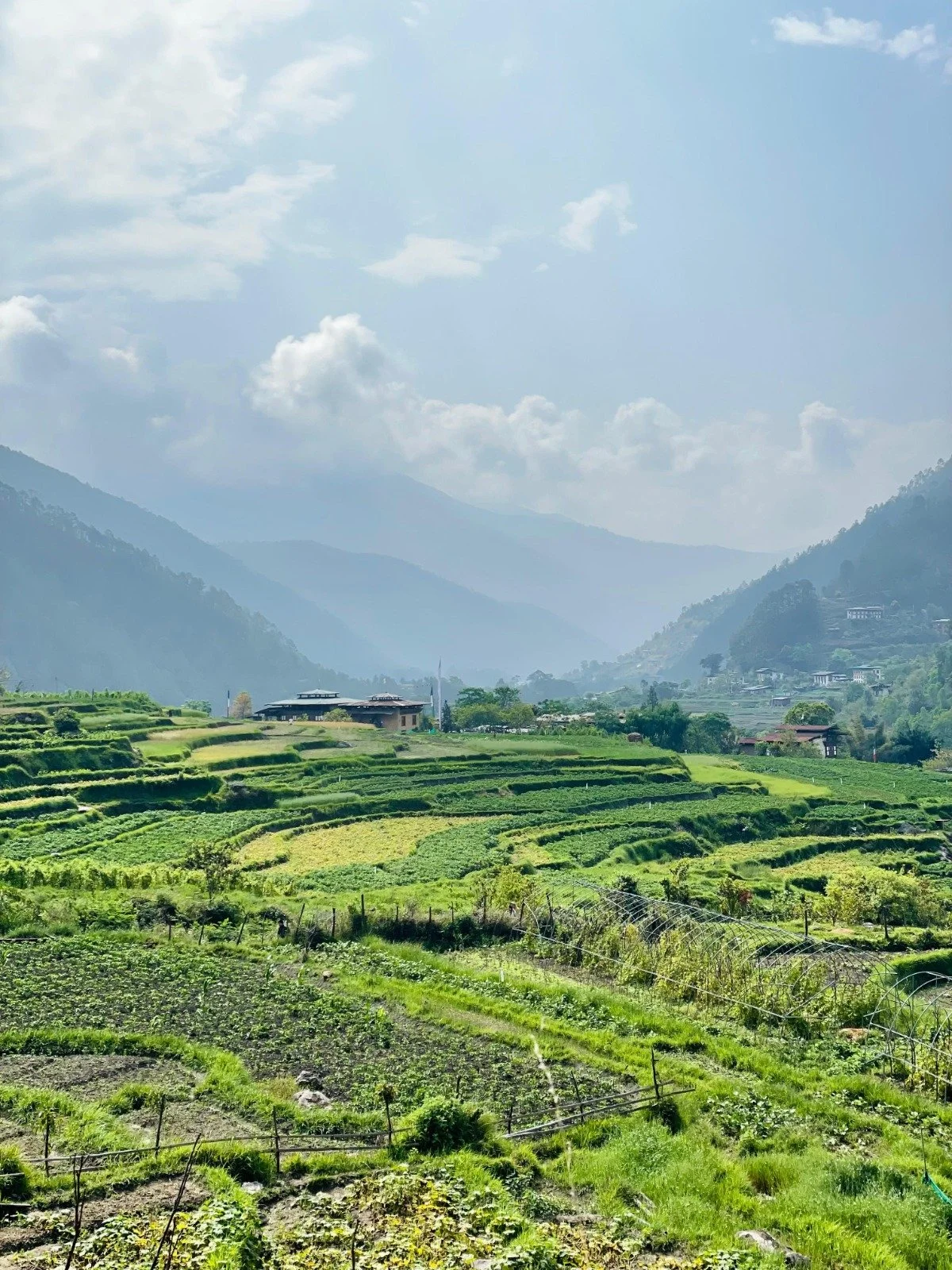
There are many activities you can do in Punakha, including unforgettable rafting day trips, but as you’ve probably figured out by now, we are into hiking and exploring the Kingdom’s cultural heritage. For this reason, there’s no better idea than hiking to Khamsum Yulley Namgyal Chörten. To reach this multiple floors stupa built in 2004, you’ll walk through the fields, getting to fully enjoy the extraordinary valley’s landscape and its nature.
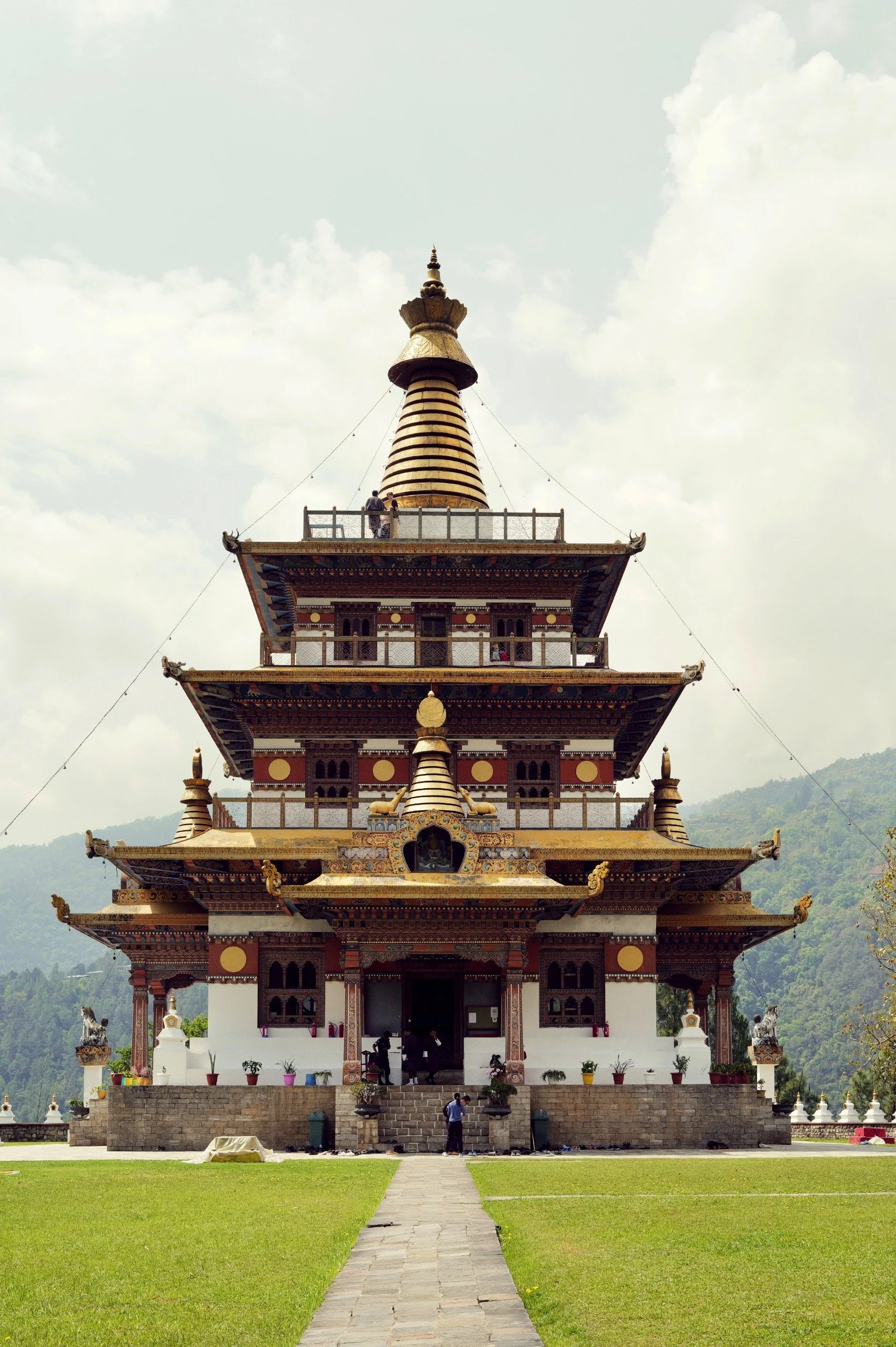
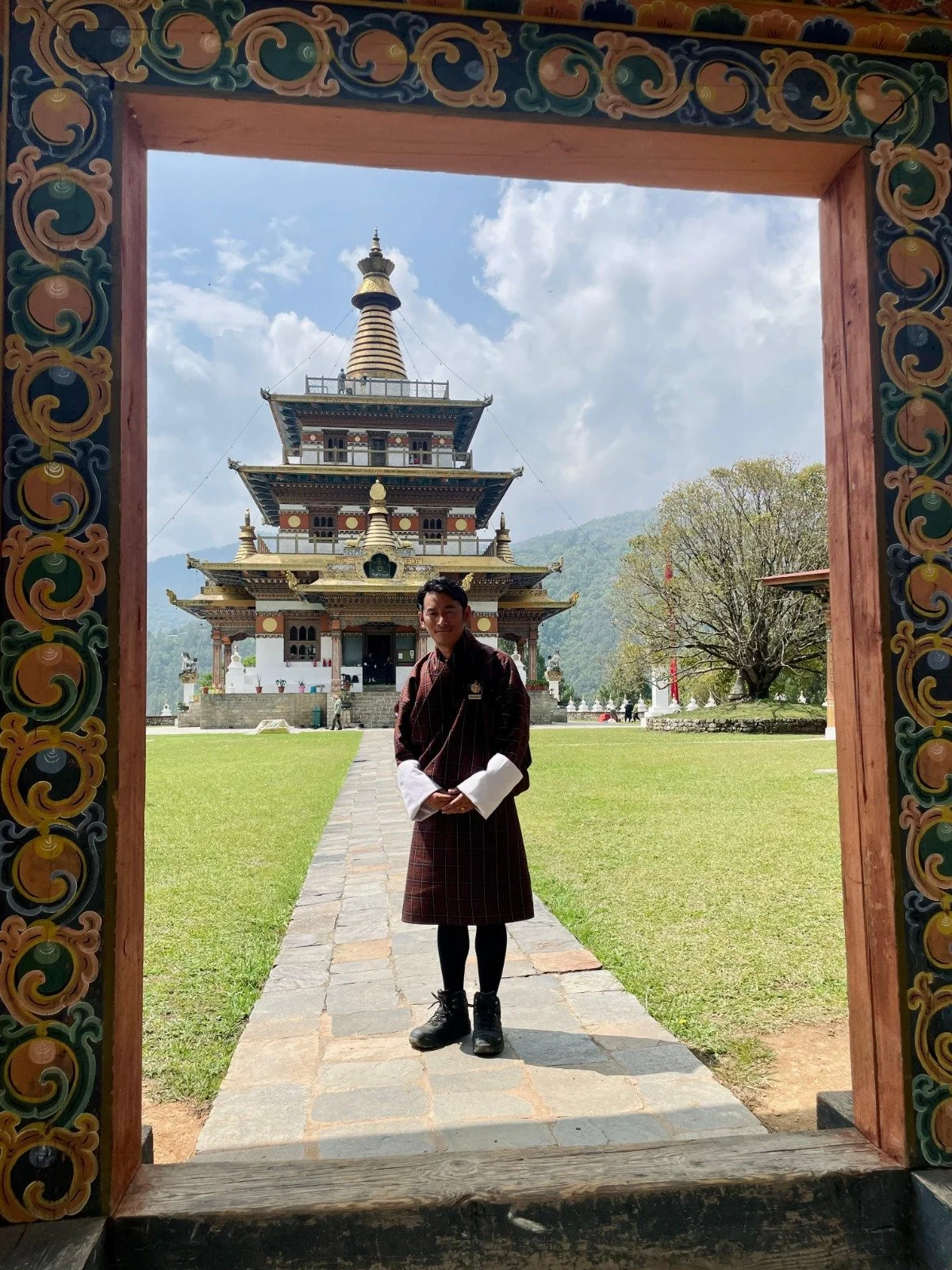
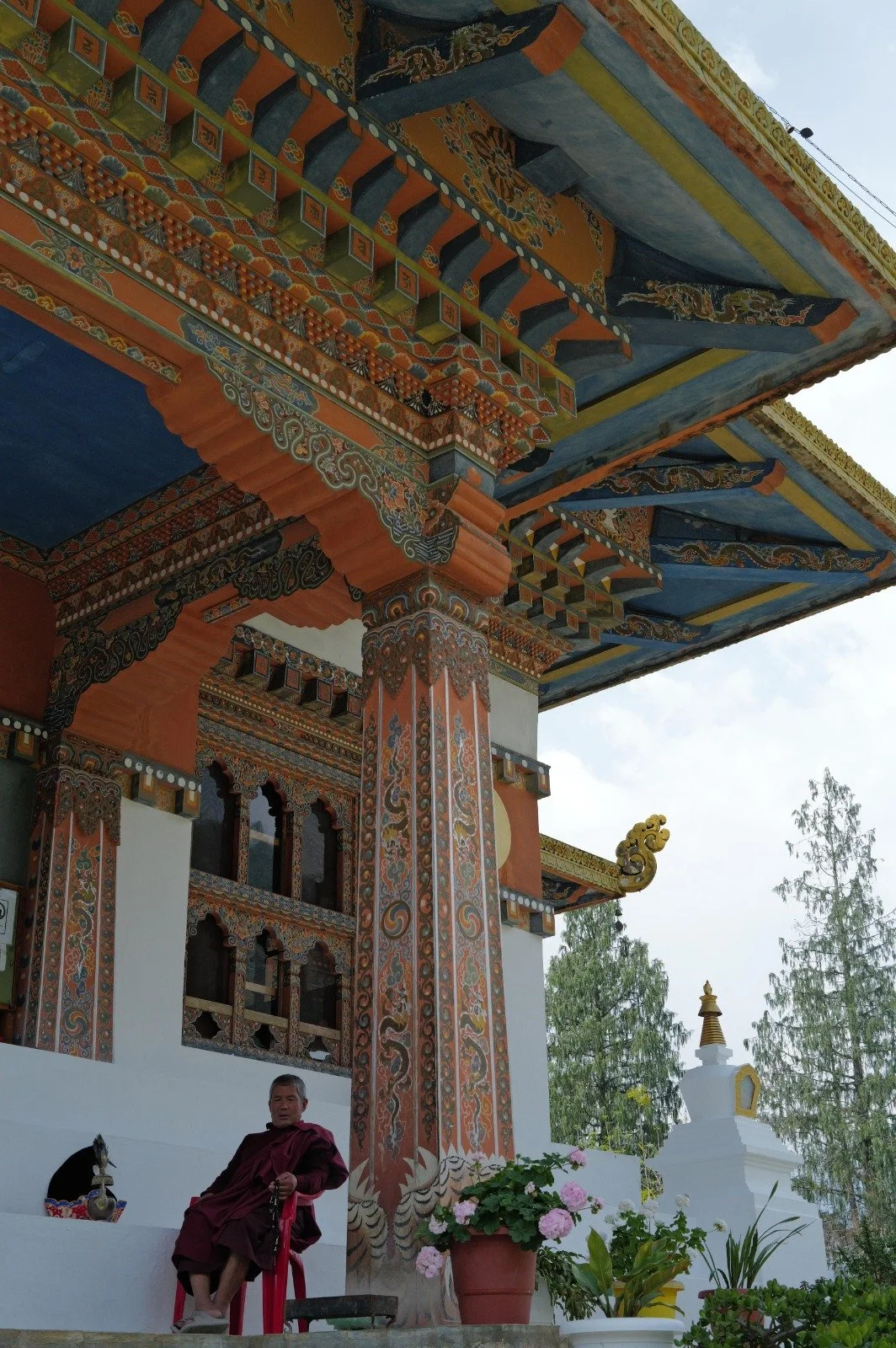
Unlike all the other stupas in the Country, whose main function is worship, this chorten was built by the Queen Mother to ward off negative forces and spread peace and harmony to all the living beings.
If you’re lucky enough, you’ll witness monks praying and singing differently on each floor, according to the ritual. After another astonishing experience, head back to Amankora Punakha for a well deserved lunch and some down time, then drive 20 minutes to the extraordinary Punakha Dzong (fortress). This was the second dzong to be built in Bhutan between 1637 and 1638 and was the HQ of the national Government until 1955, when the capital was moved to Thimphu.
The building stands on an islet at the confluence of two rivers: Pho Chhu (the male river) and Mo Chhu (the female river). To reach it, you need to cross a beautiful wooden bridge.
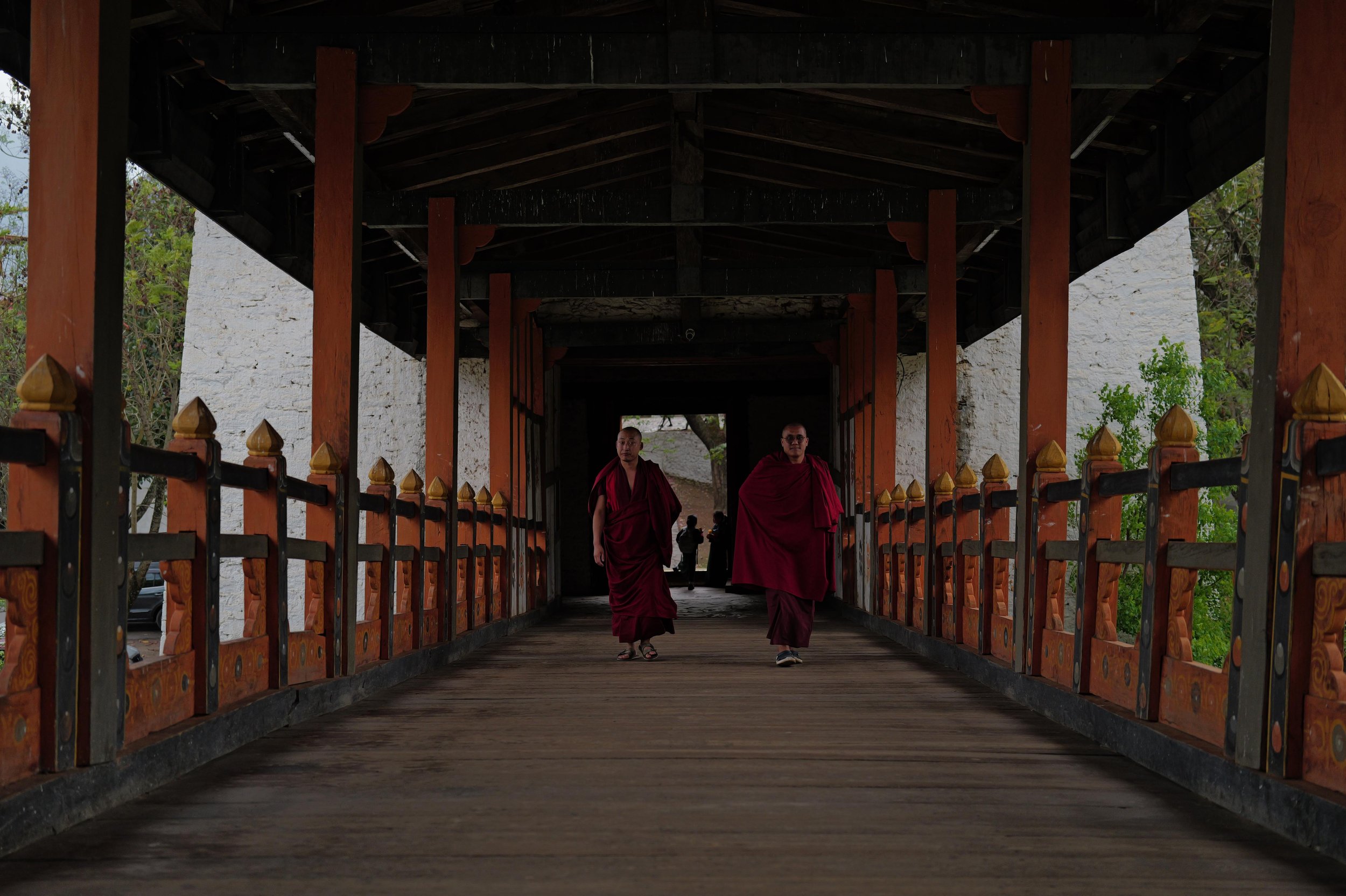
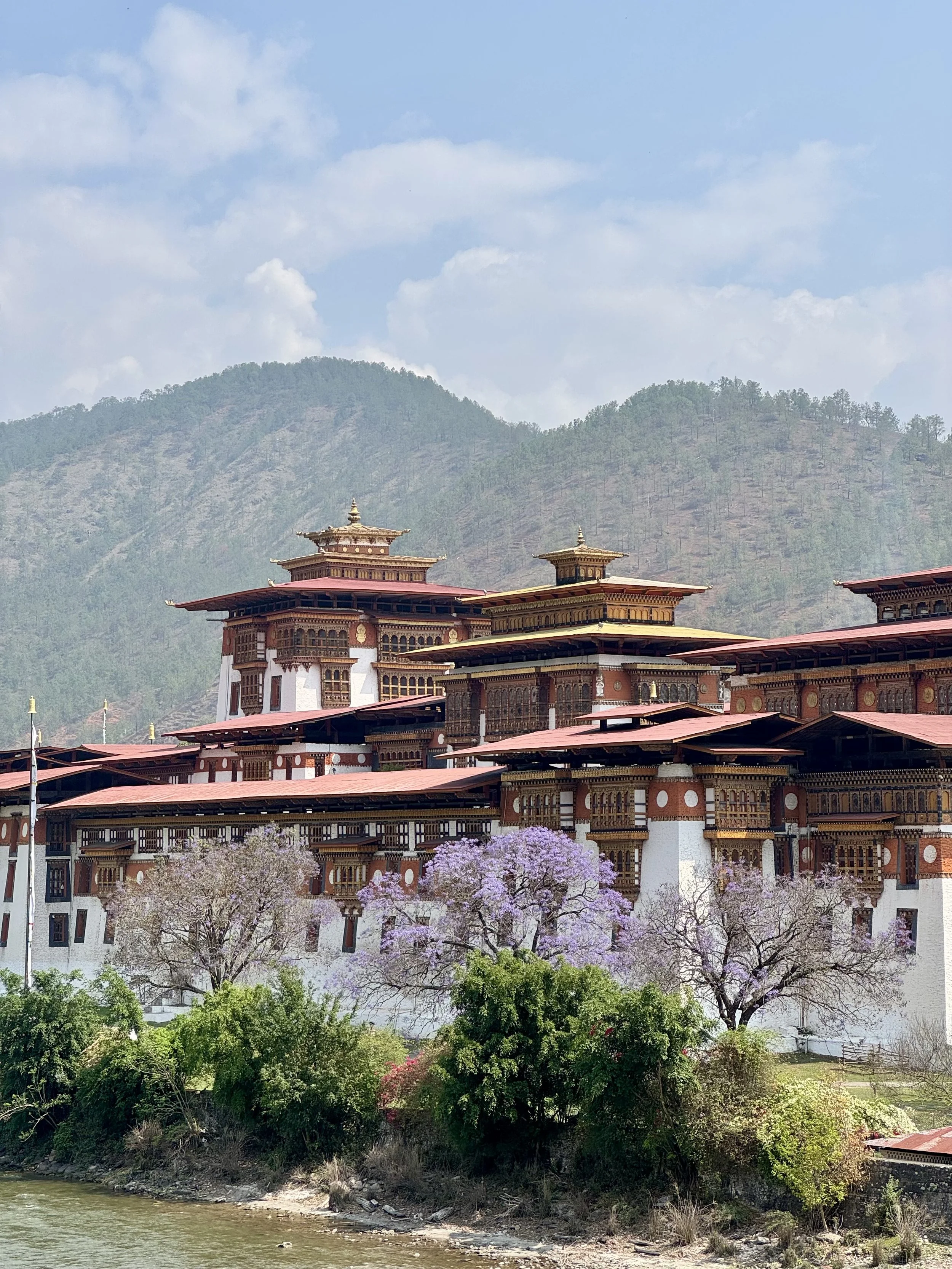
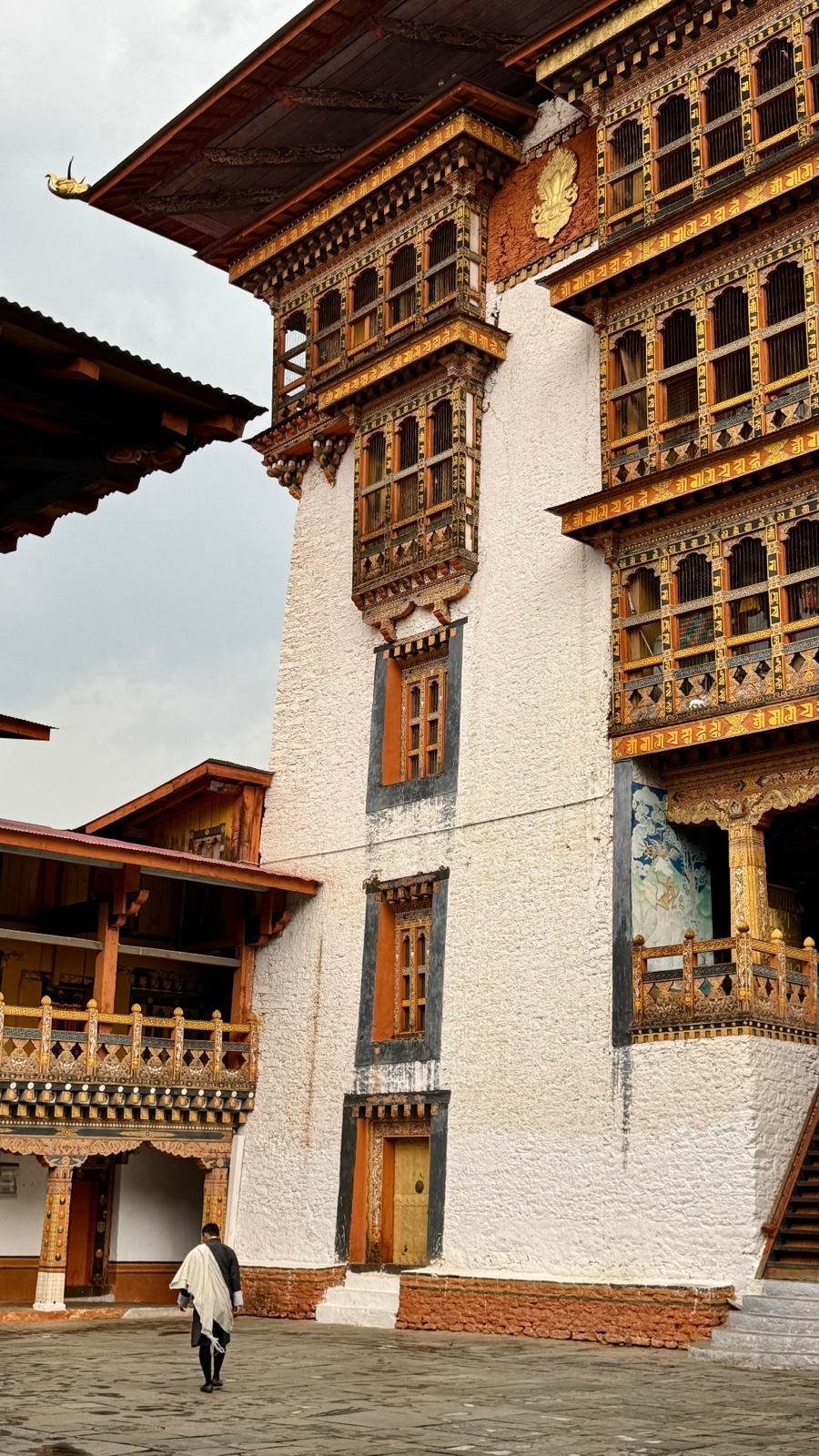
The building is still both the religious and administrative center of the Region, and its three iconic courtyards still witness every year the incredible Punakha tsechu, the local festival featuring colourful masked dances and spiritual rituals. The tsechu is usually held at the beginning of March - if you can, don’t miss it!
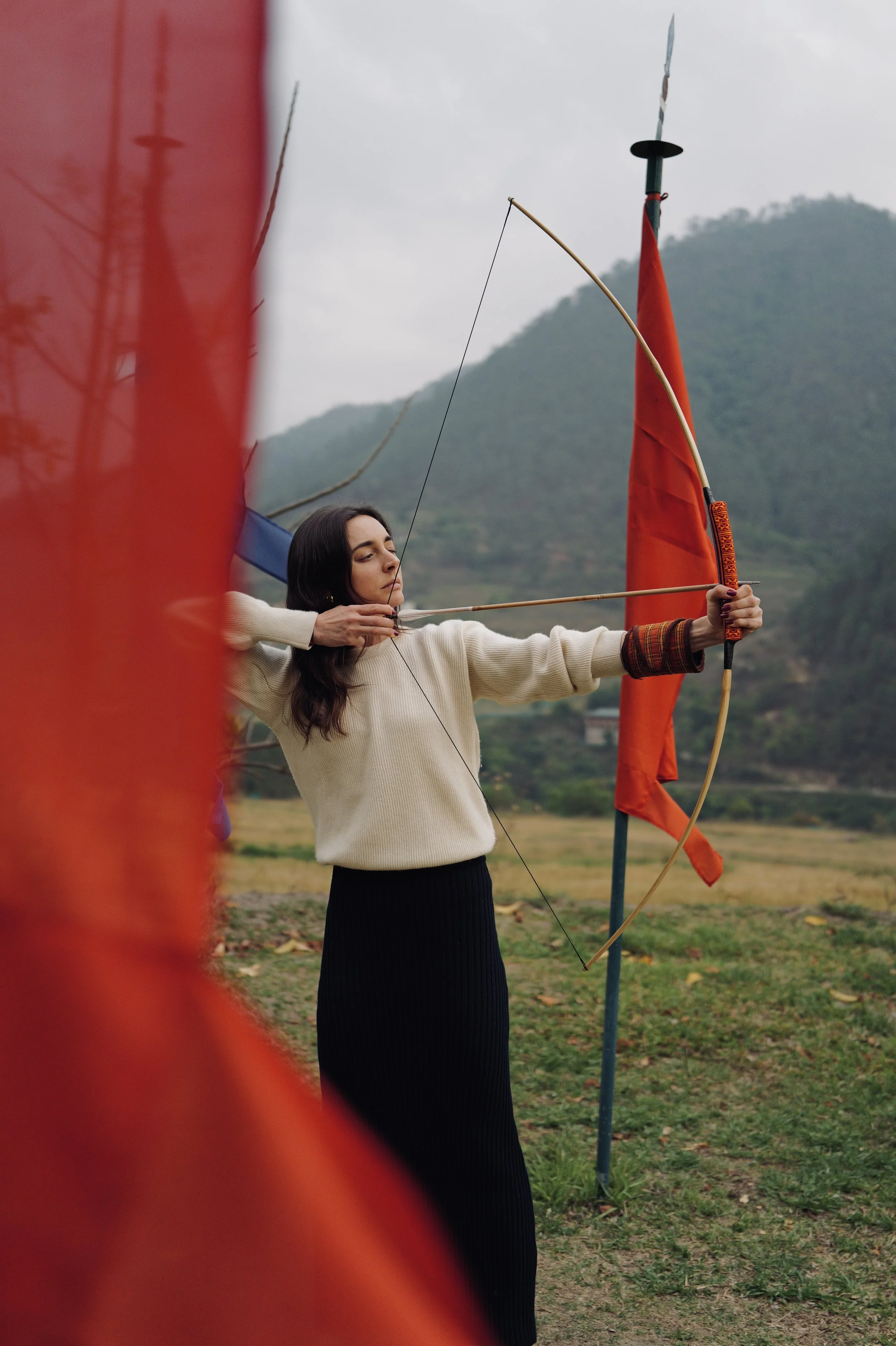
Head back to Amankora and take this rather unique chance to have an archery session. Archery is the national sport and every Amankora features an archery ground.
Enjoy your last outdoor dinner - Punakha is the lowest altitude valley, and therefore the warmest, and the only one that allows bathing in the pool and dining outside in the evening during spring and fall.
Day 5 - Paro, here we come!
After two nights in Punakha, it’s time to head back to Paro for the last part of your trip, unless you have time to keep going East towards Gangtei and Bumthang, which we would have loved to do. We completely recommend staying longer to explore even more remote areas of the Country. We didn’t have enough time, unfortunately.
On your way back, there are several incredible stops not to miss out on - The first one is the Wolakha Nunnery. While monks are much more common in Bhutan, this Buddhist temple is home to a nunnery, with more than 170 members.
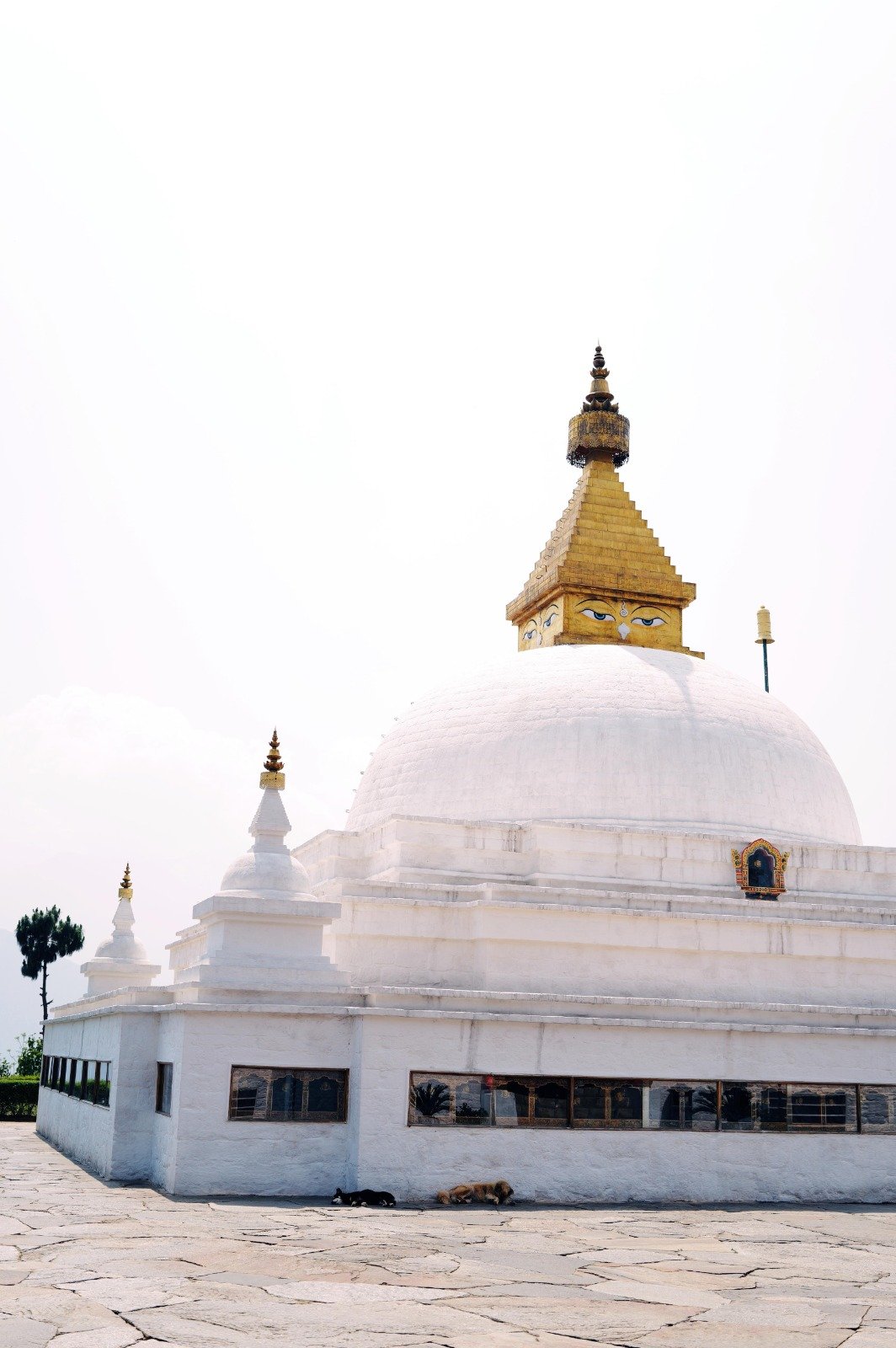
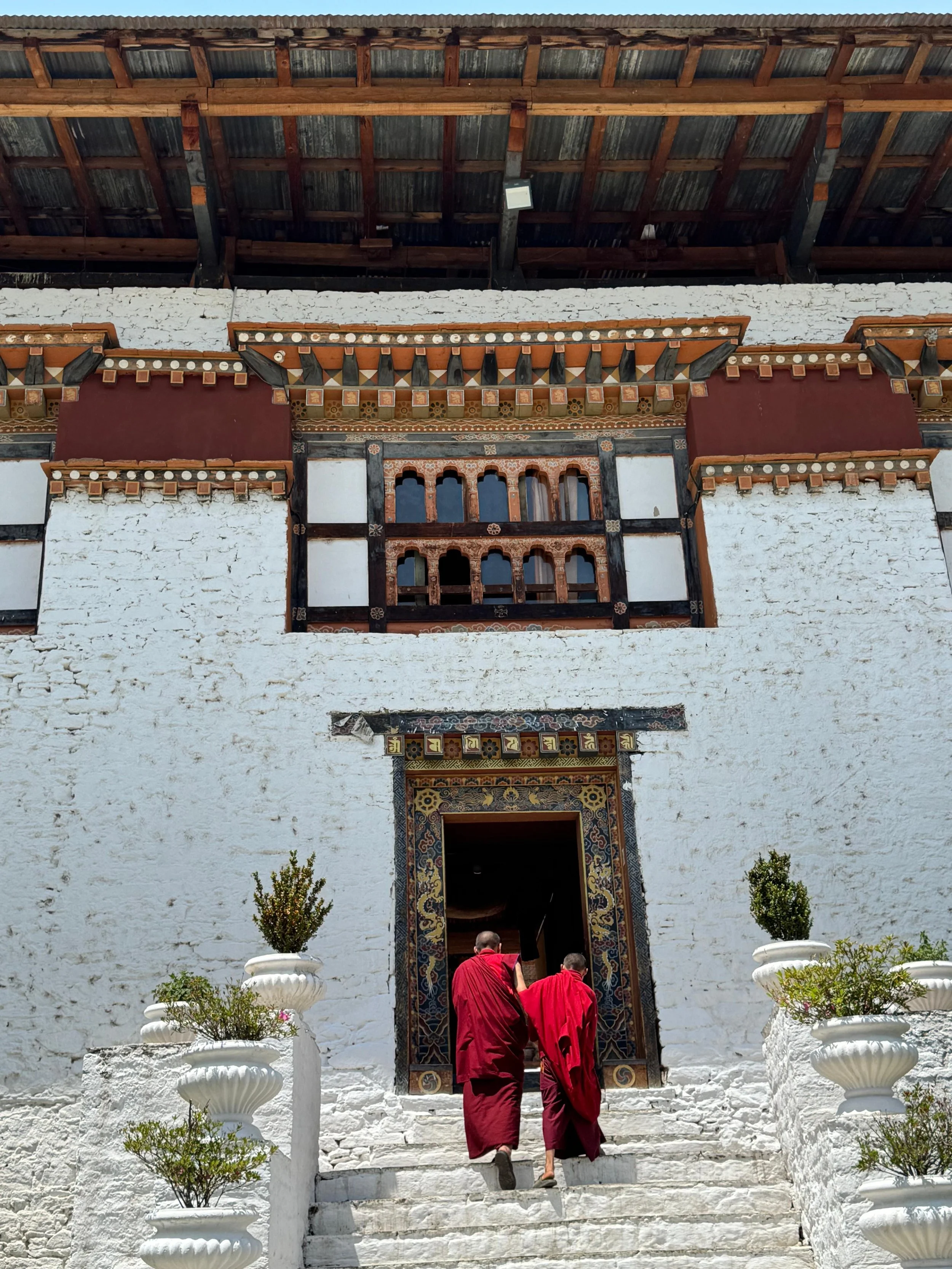
The second stop is going to be the Simtokha Dzong, just before Thimphu. This dzong carries a particular significance for the Bhutanese people. Besides being one of the oldest in the Country (1629), it held a key role in defeating Tibetan forces in their invasion attempt.
Luckily for you, you can stop for a well deserved lunch in Amankora Thimphu, and enjoy for another time its beautiful courtyard.
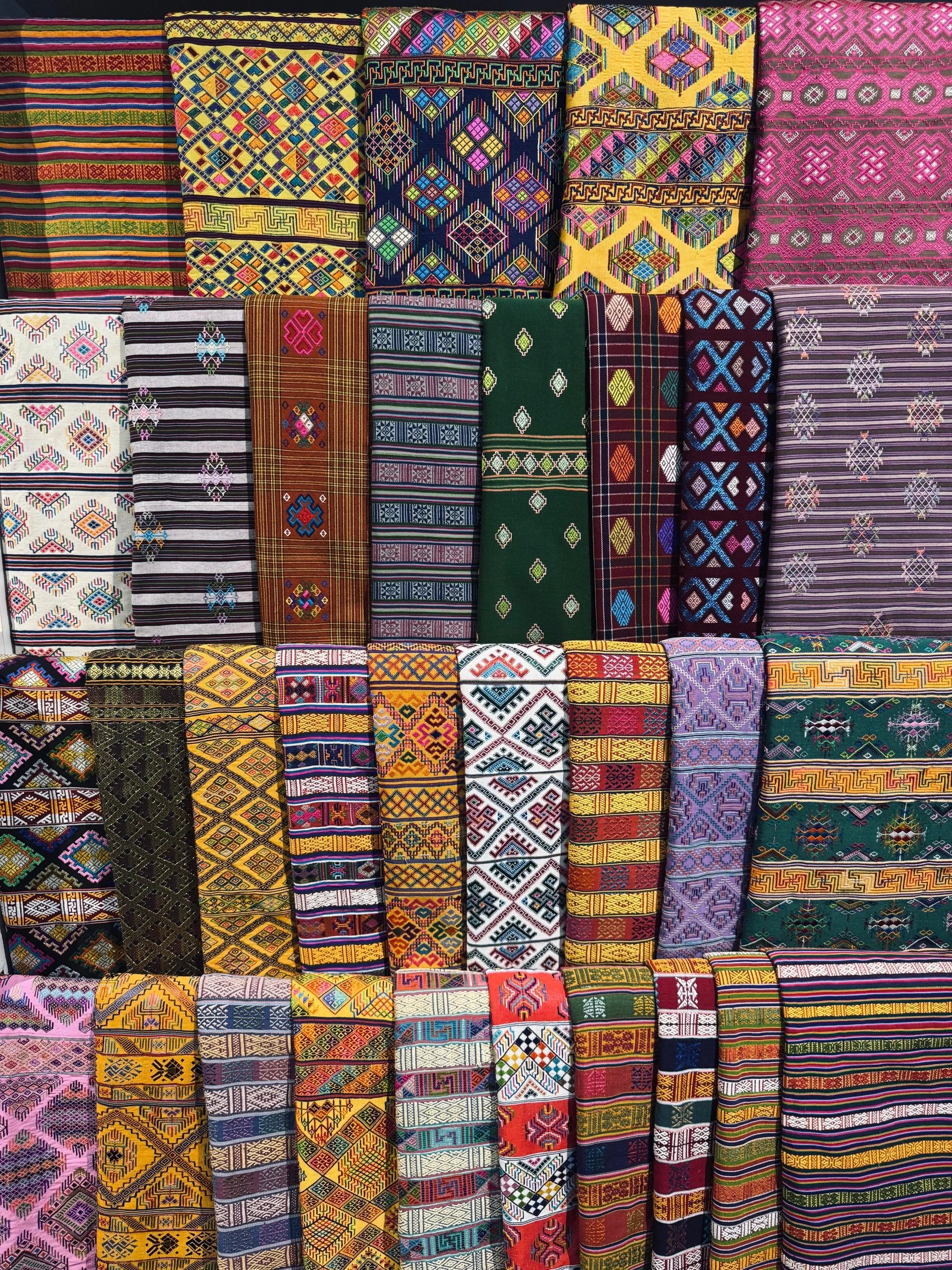
On your way to Paro, stop by Gagyel Lhundrup Weaving Centre, a true excellence in the whole Country. Here you can observe master weavers at work and try some of the most refined pieces we have ever seen. It takes the weavers up to two years of work to make some of the most complex designs - they entirely work by hand, knitting one single thread at the time.

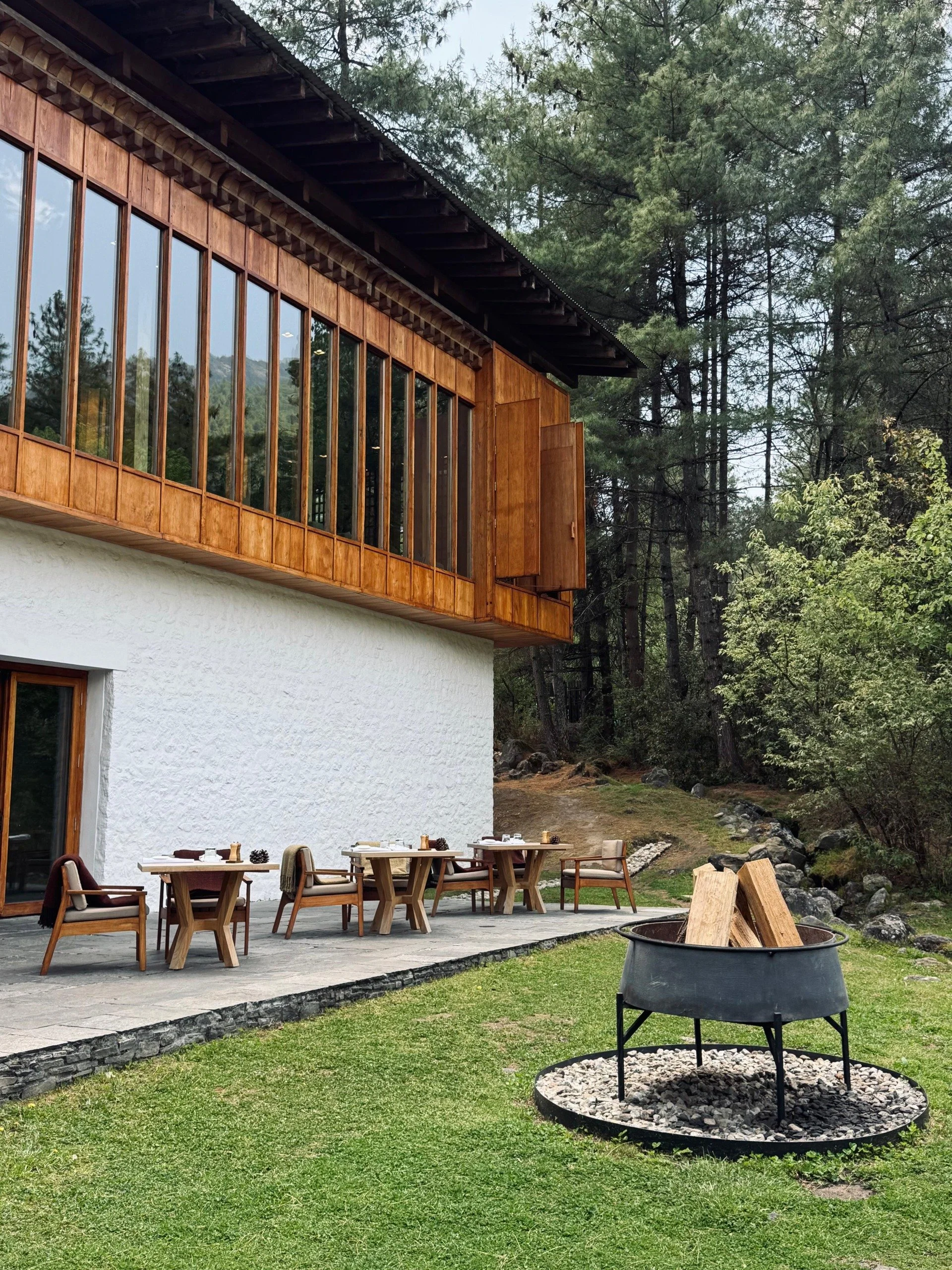
Welcome to Amankora Paro, the biggest of the five, featuring 24 rooms. While its size is slightly bigger compared to the others, this hotel makes up for it by featuring the biggest spa and the possibility of a cold plunge in a small river bordering the property, which we definitely suggest to try!
Day 6 - The legendary Tiger’s Nest
The time has come - you are ready! We recommend leaving the hotel at 5:30AM to be the first ones on the hike and to see the sun rise during the climb. Plus, this will allow you to enjoy the silence and visit the temple on your own - a pretty unique benefit in one the only touristy spots in the Nation.
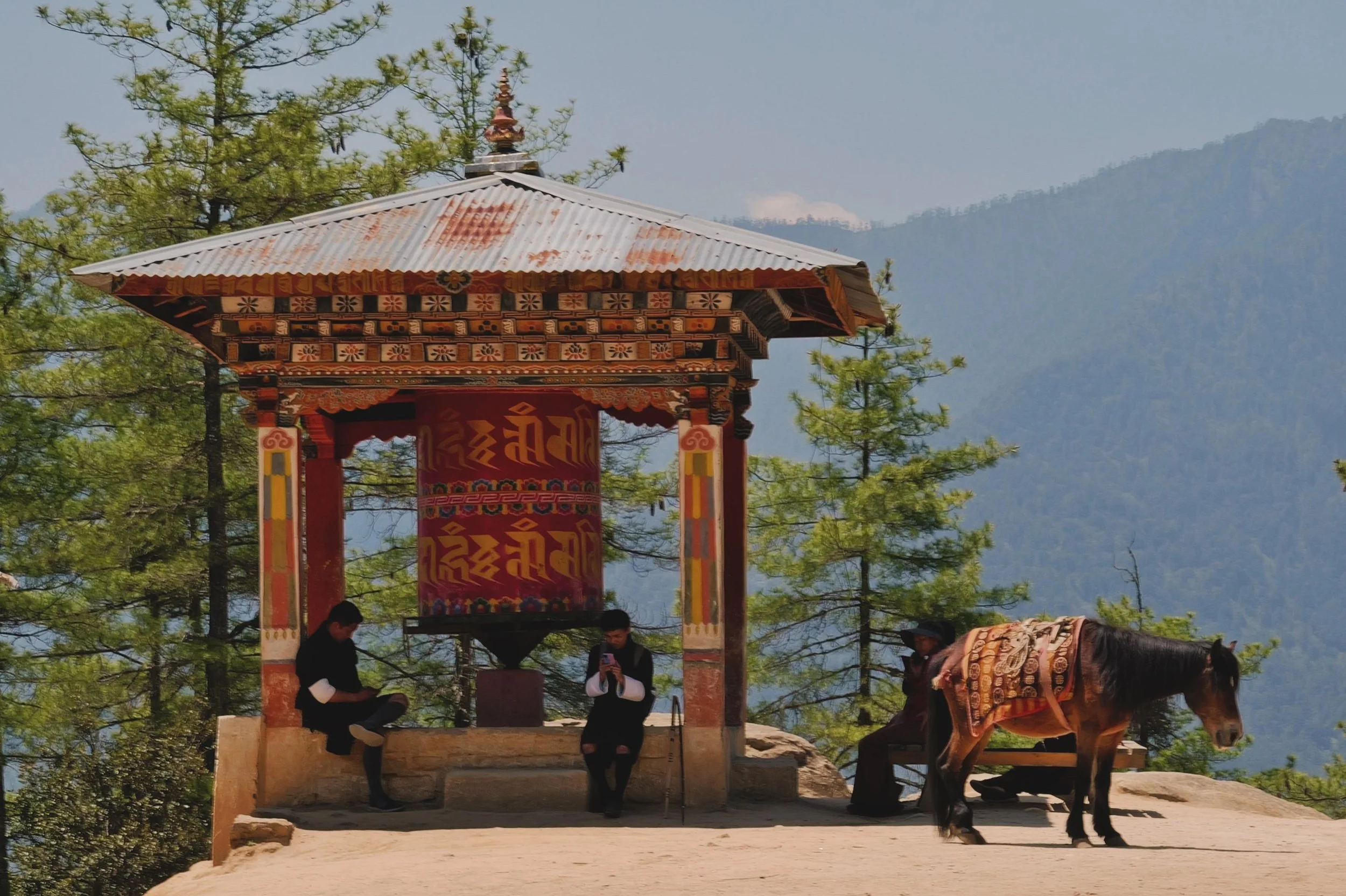
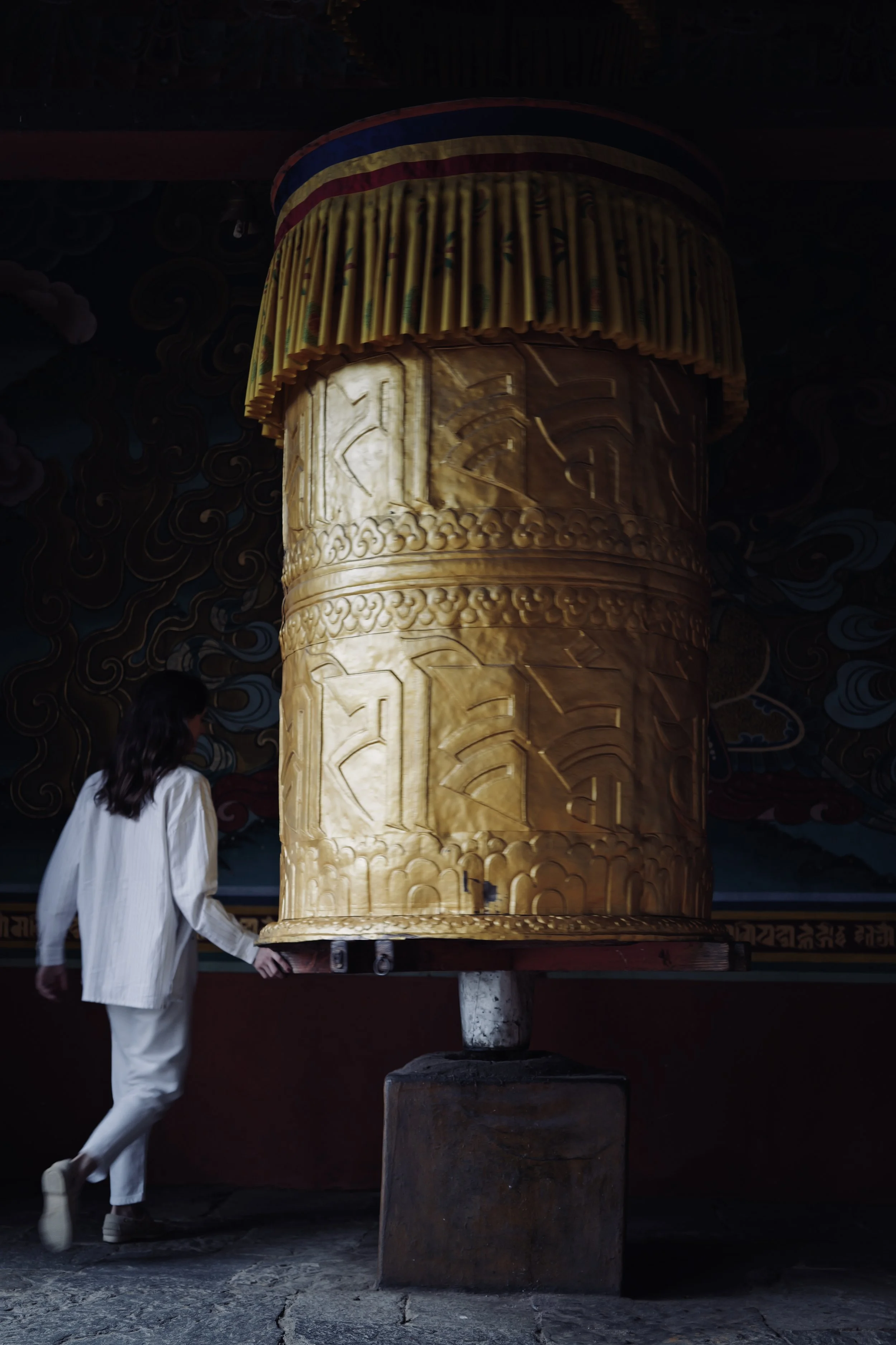
This big prayer wheel marks half way through!
After one and a half / two hours, depending on your fitness level, you will have reached the top!
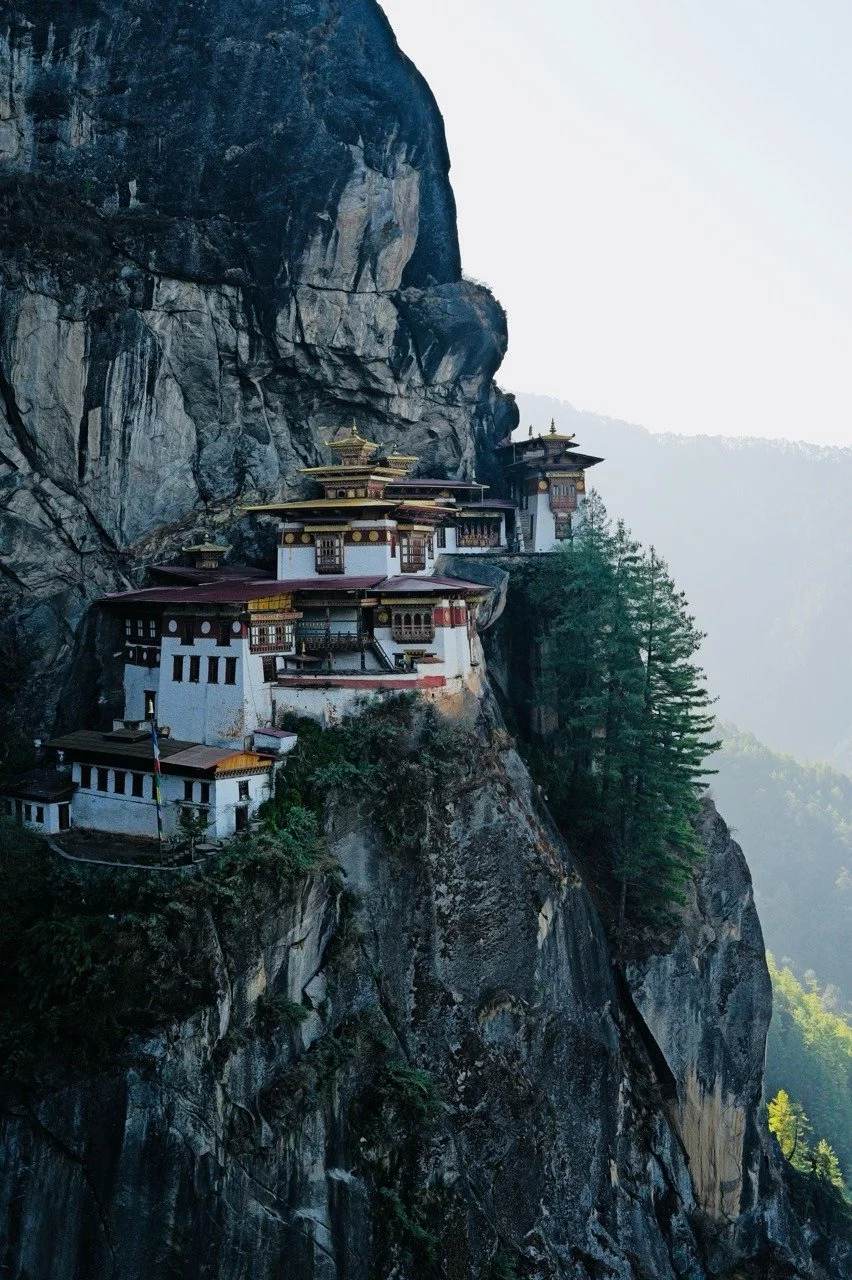
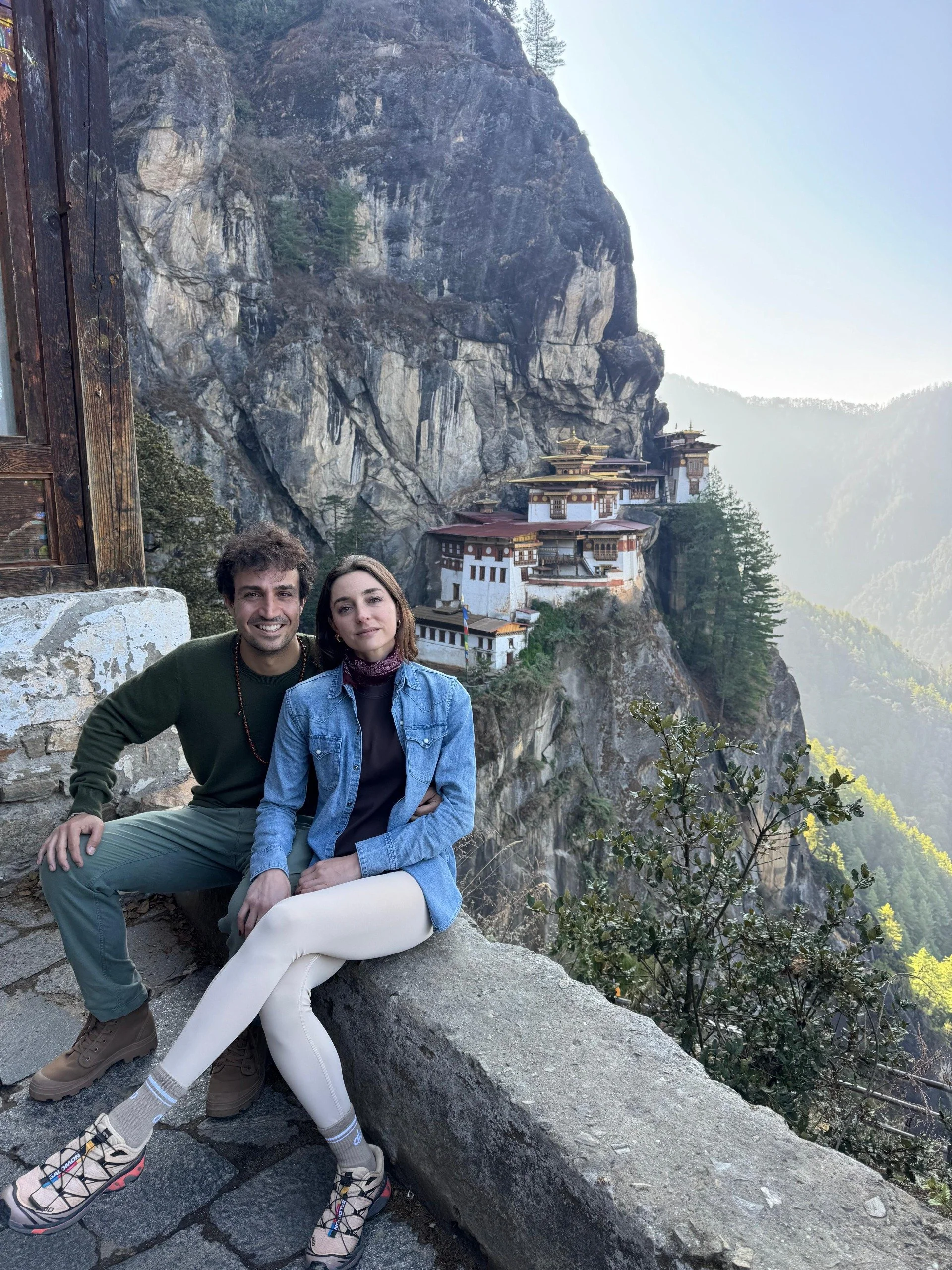
The effort is instantly rewarded. Reaching the viewpoint and seeing the white-washed walls and golden roofs of the temple complex built in 1692 and perched so precariously is a truly breathtaking, humbling sight. Legend says that Guru Rinpoche, who brought Buddhism to Bhutan, flew here on the back of a tigress, and as you step inside its ancient temples, you can feel the deep spiritual energy that has drawn pilgrims here for centuries.
After visiting the temple and hearing everything about its legends and traditions, enjoy your descent - you can also stop at the only cafeteria on the way to have a coffee or a tea, still enjoying the view (and the sun if you0re lucky).
Celebrate the end of the hike and go back to Amankora for a relaxing afternoon.
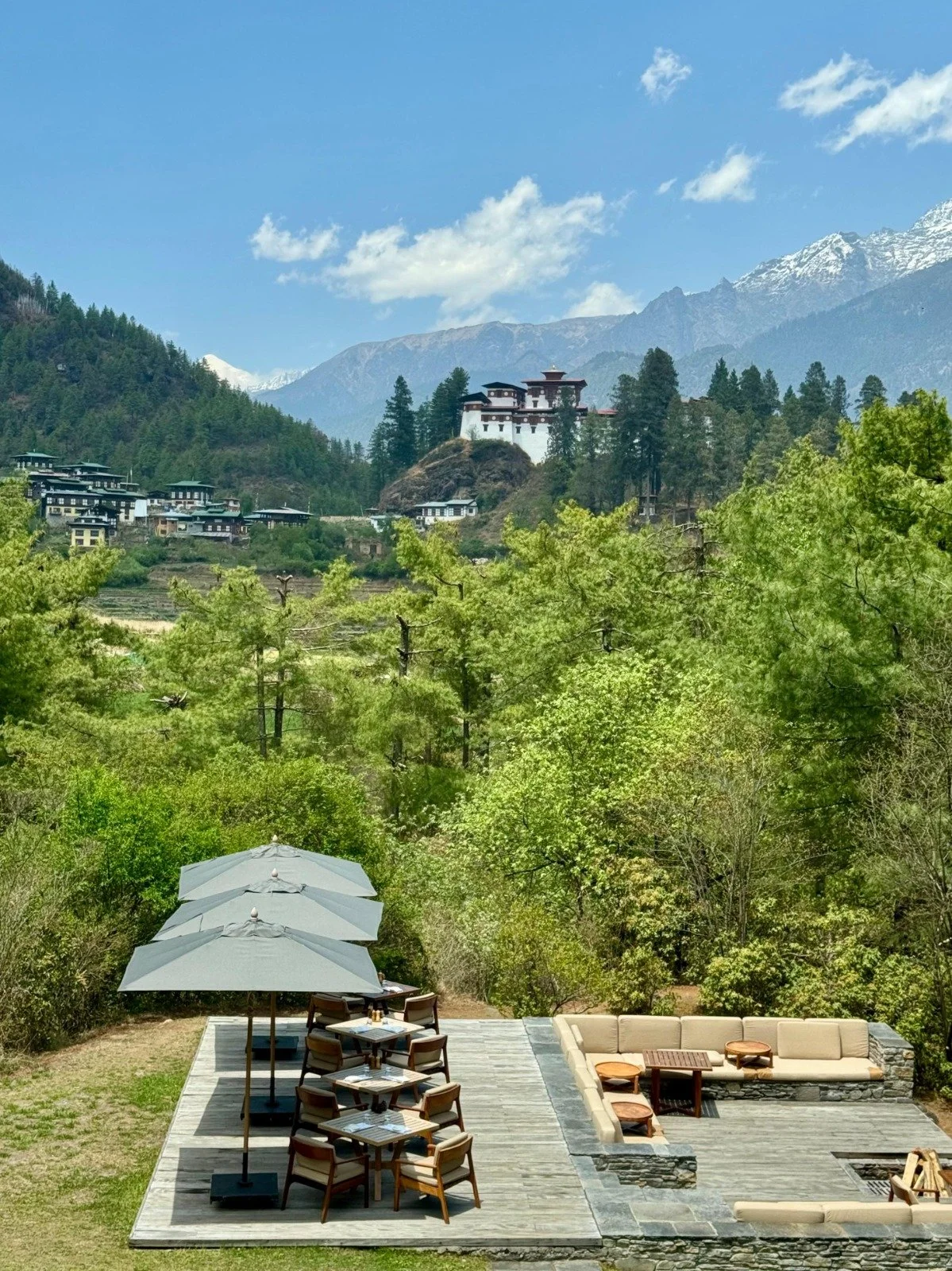
Day 7 - A last breath of Bhutan
Wake up early to pay a visit to the Dzongdrakha Goemba, four temples nestled in the rocks overseeing Paro valley. Each chapel is dedicated to a specific Buddhist deity. Once again, you’ll most likely be completely on your own while visiting this marvel, as almost no tourists go there.

On the way back to the city, stop by the national museum Ta Dzong - originally a 17th century watch tower - to learn even more about the Country’s rich history and traditions.
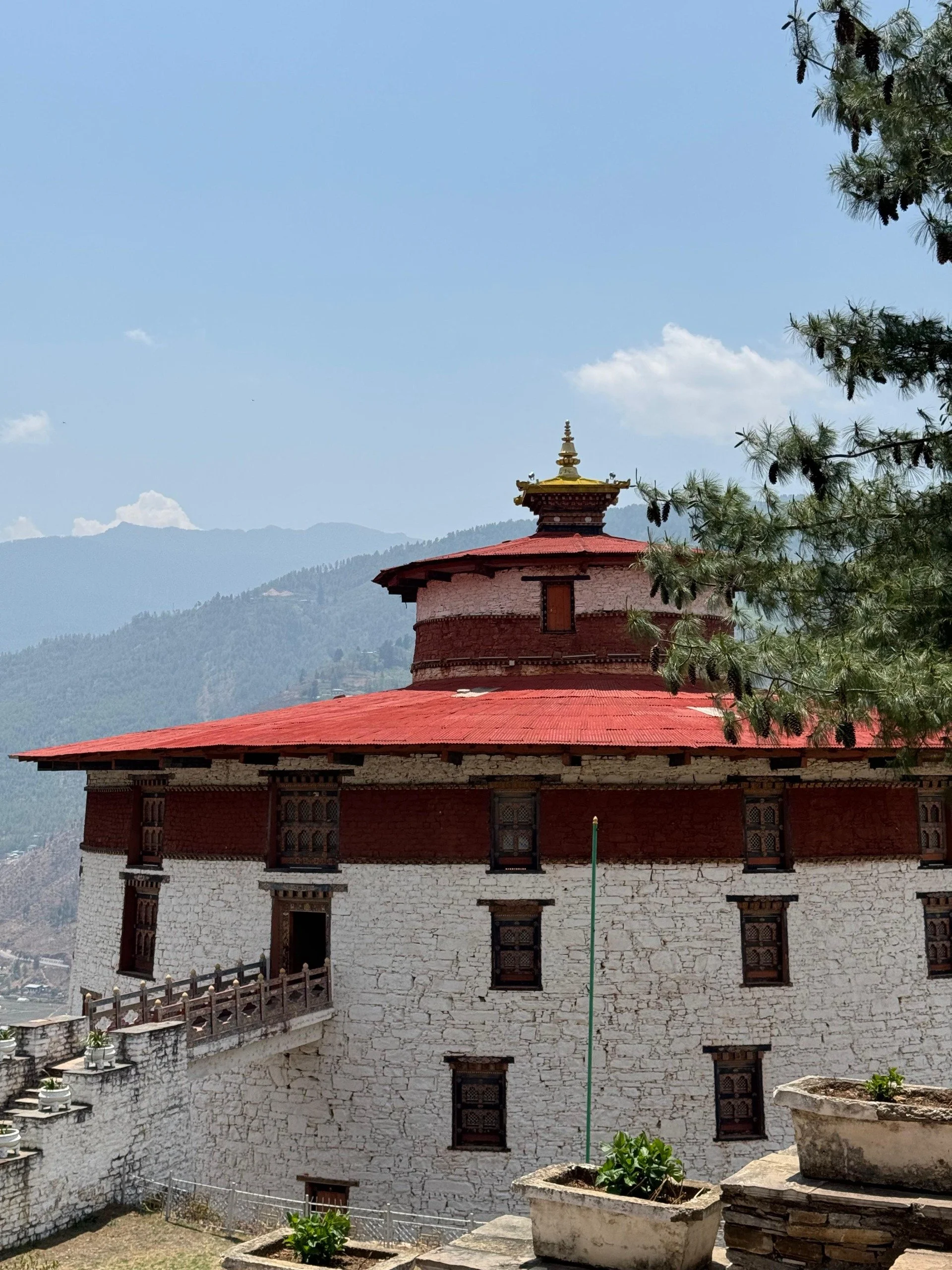
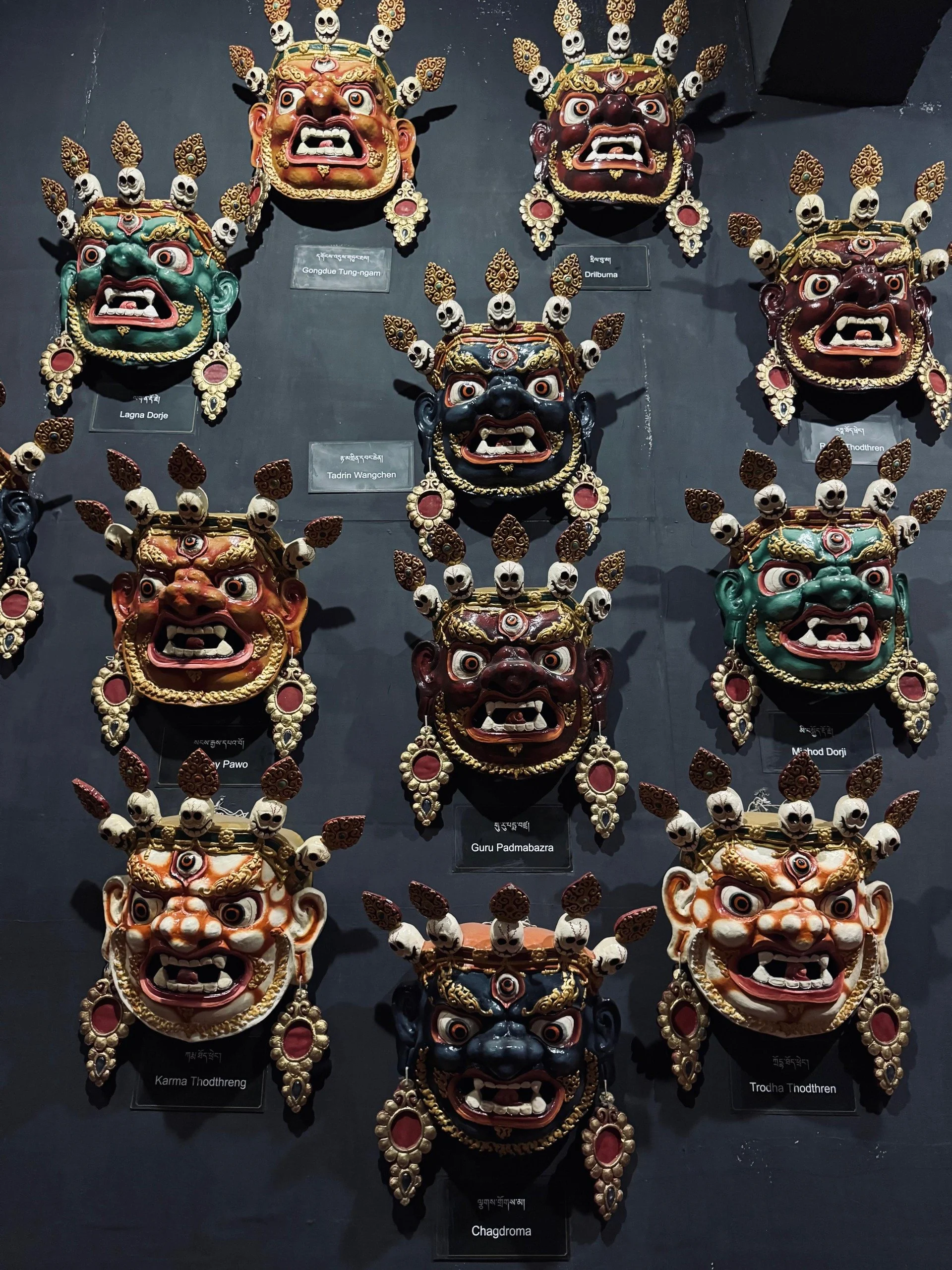
Paro is absolutely the best city in Bhutan for shopping - Definitely check out Chencho Handicraft before leaving, for incredible fabrics and handicraft. Along the main road you’ll also find many shops selling Bhutan-made objects.
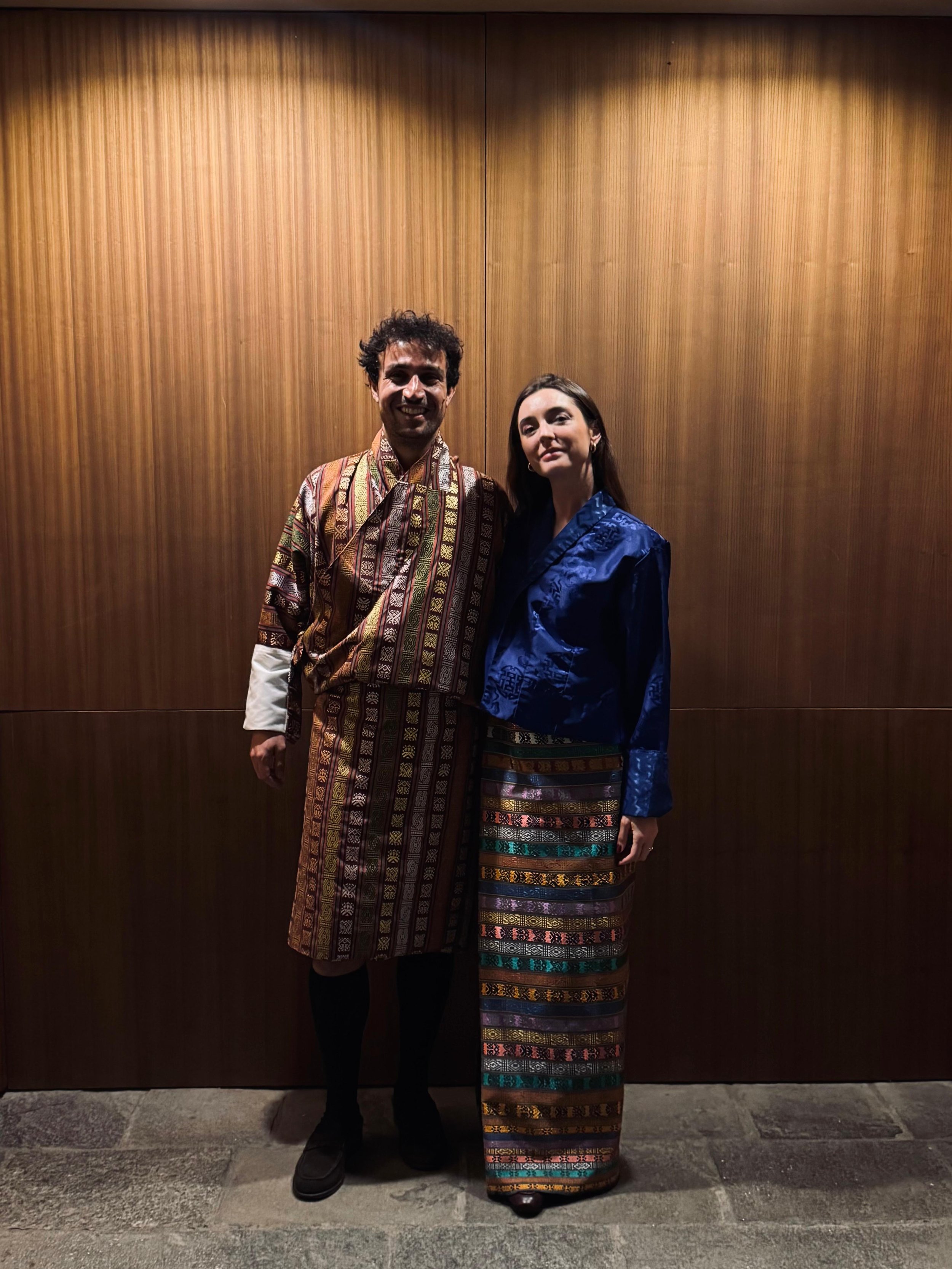
Enjoy one last spa moment and get ready for the Amankora soirée - the hotel provides you with a beautiful, handmade gho and kira for the night before departure. Not only are these clothes beautiful, but they are extremely comfortable! You can ask for help (and we recommend doing that) from the hotel staff to get ready.
Day 8 - Departure
After the last goodbye ceremony to protect us during our travels, it was time to leave. We had dreamed many times about this trip - Now we can definitely say that it’s even beyond your wildest expectation!
Our practical suggestions for you
How long: Depending on how many valleys you’d like to see, we recommend staying at the very least 7 nights, possibly more to explore more remote areas in the East.
Season: Either during the spring in March/April/May or during the fall in September/October/November. Check the calendar to look for some of the biggest tsechu, or festivals.
How to travel through the country: It’s possible to travel only with a tour guide and a driver provided by a Bhutanese travel agency.