EGYPT
Echoes of Eternity and Nile Chronicles
Welcome to Egypt, the eternal land of the Nile. From the towering pyramids of Giza to the timeless waters of the River, this land is a living testament to the wonders of the ancient world. Walk in the footsteps of pharaohs through the grand temples of Luxor, lose yourself in the vibrant chaos of Cairo’s markets, or sail into the sunset on a traditional felucca. Whether you come for the history, the culture, or the breathtaking landscapes, Egypt is a journey that lingers in your heart long after you leave. Let’s explore this land of legends together!
Join us as we explore Egypt - From the moonlit temples of Luxor to the tranquil navigation on the Nile, every moment feels like stepping into a timeless tale of mystery and wonder.
A visit to Egypt could last a few days up to several weeks, depending on your schedule.
We only had 9 nights in total, so we decided to prioritize Upper Egypt (from Luxor to Abu Simbel) instead of spending more time in Cairo. If you have more time, try to spend at least 2-3 days in the Capital, which is a real treasure chest filled with many hidden gems.
Day 1 - Giza, the Great Pyramids and a touch of Cairo
Let’s start with accommodation - There’s no hotel in Cairo at the moment that we particularly like, unfortunately. We’d recommend staying at one of the two Four Seasons - either the Nile Plaza or the First Residence - it’s not going to be an unforgettable stay, but certainly a comfortable one. Moreover, they basically arrange any kind of visit even with very little notice, and the guide who brought us to Giza was super well prepared.
Start the day early in order to be at the entrance gate of Giza as soon as it opens (8am) - if your hotel is located in Cairo’s central areas, this will be a 30/40 minutes drive and probably the least busy car drive you can experience in Cairo if you’re visiting during the weekend. While looking out the car window, try to imagine that until less than 20 years ago all the surrounding area was covered in lush green nature, making the miracle of the pyramids even more fascinating.
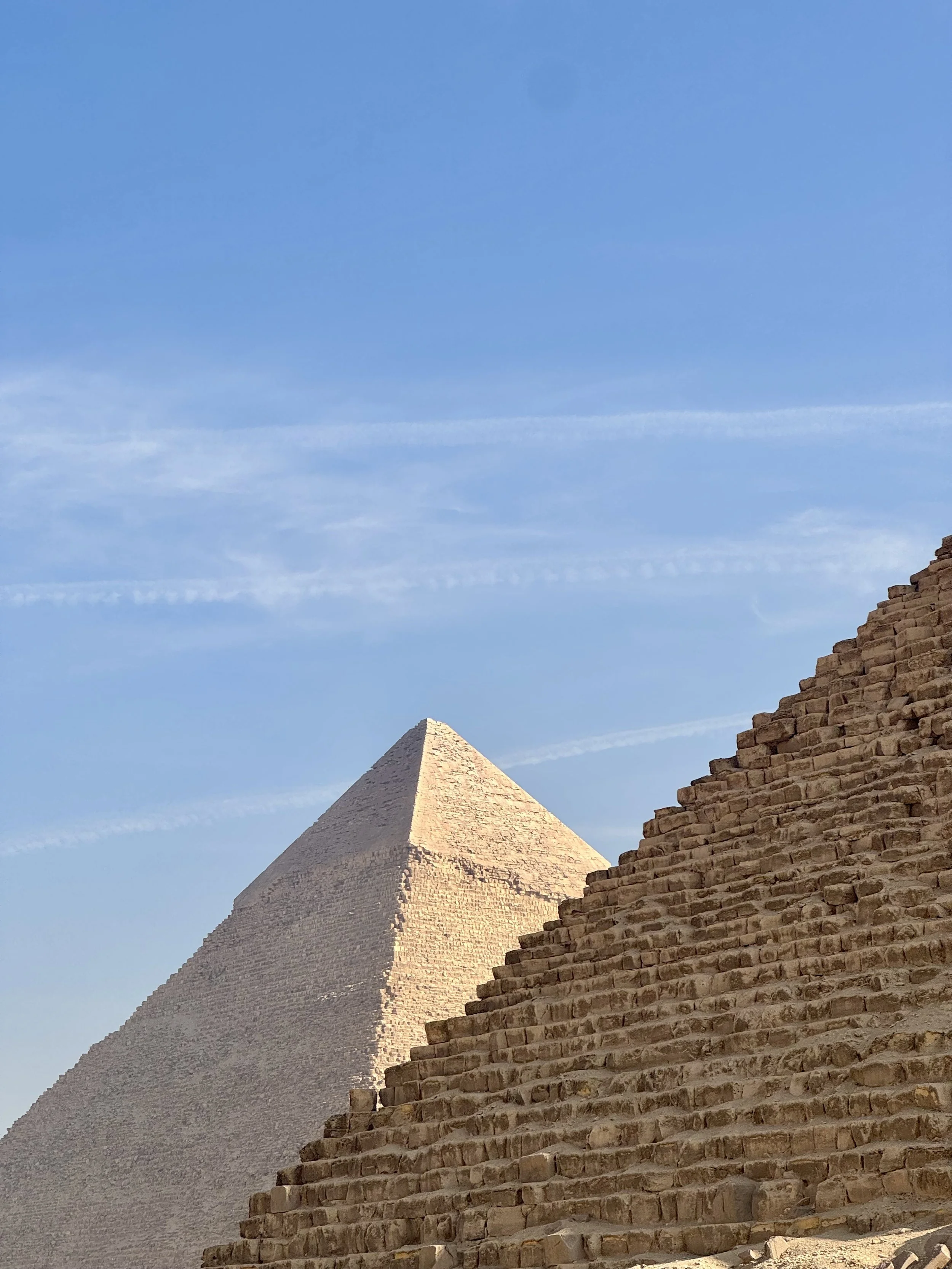
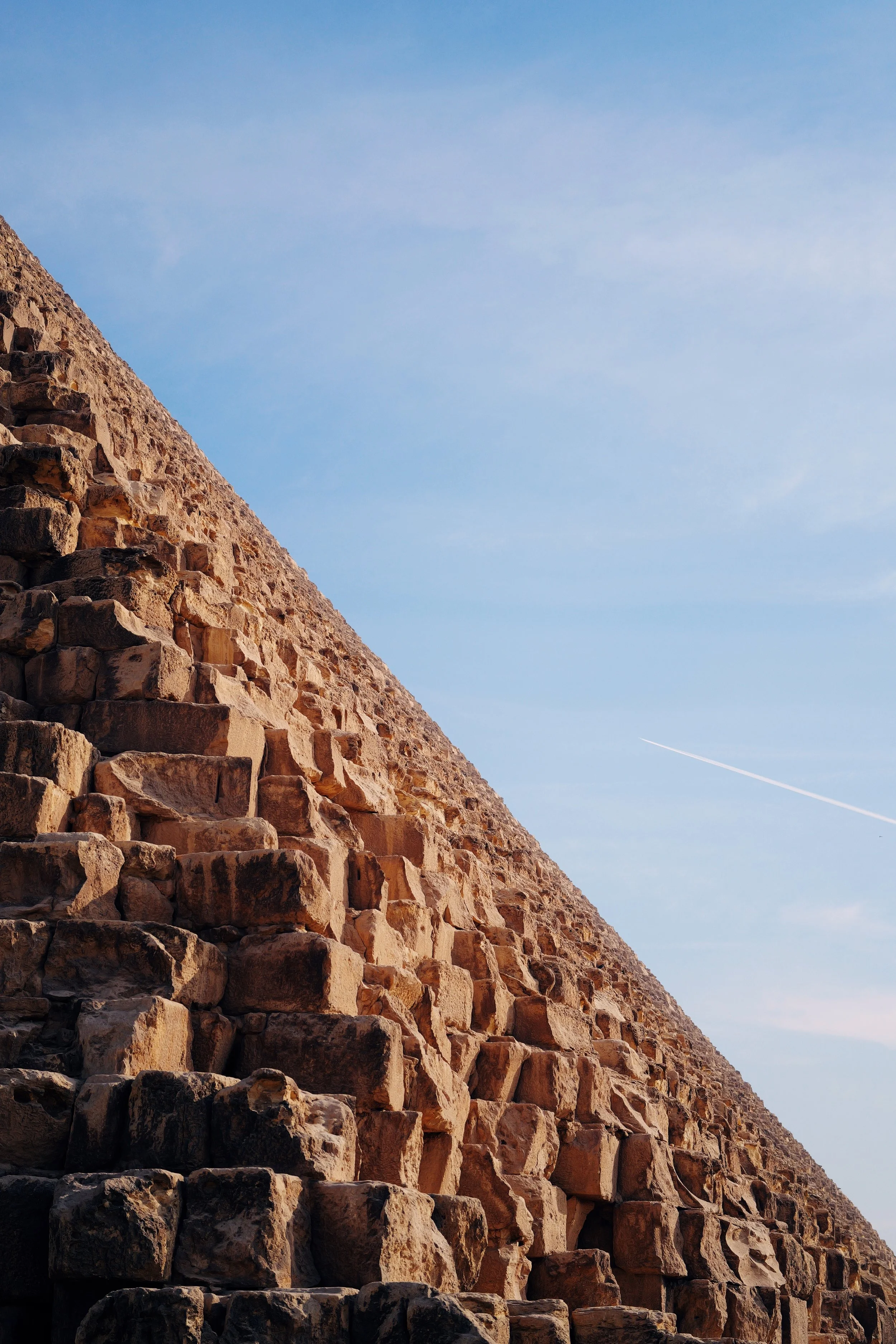
Take your time to walk around the three main pyramids and learn more about their history as your first glimpse into Egypt’s incredible history. We definitely recommend hiring a guide to give you much needed information and, even if it may sound very touristy, the camel ride up to the point where you can see all the pyramids together is honestly worth it, and fun as well.
The Sphinx is also going to be a highlight of your visit - goes without saying!
While visiting the site, we don’t recommend going inside the pyramids. Some portions of the passages are extremely narrow, and will trigger claustrophobia to anybody who even remotely suffers from it. Besides, frankly the experience is just not worth it. Through your trip in Egypt you’ll be able to check out much more interesting and beautiful sites. If you decide to go inside one of them, we suggest you choose the third one (Menkaure) as the first (Keope) is always the busiest, besides being the most expensive.
Instead, make sure to visit the exquisitely decorated and preserved tomb of Meresank III - This gem is for some reason overlooked by most visitors, which makes it even more of a pleasure checking it out. If your guide doesn’t take you here, make sure to ask him/her.
After three / three and a half hours, you’ll probably be ready to head back to the city. Once back in Cairo, we suggest you explore the wonderful neighborhood of Zamalek, a beautiful island-neighborhood in the middle of the Nile. We propose the following itinerary:
Have a late lunch at Holm Café
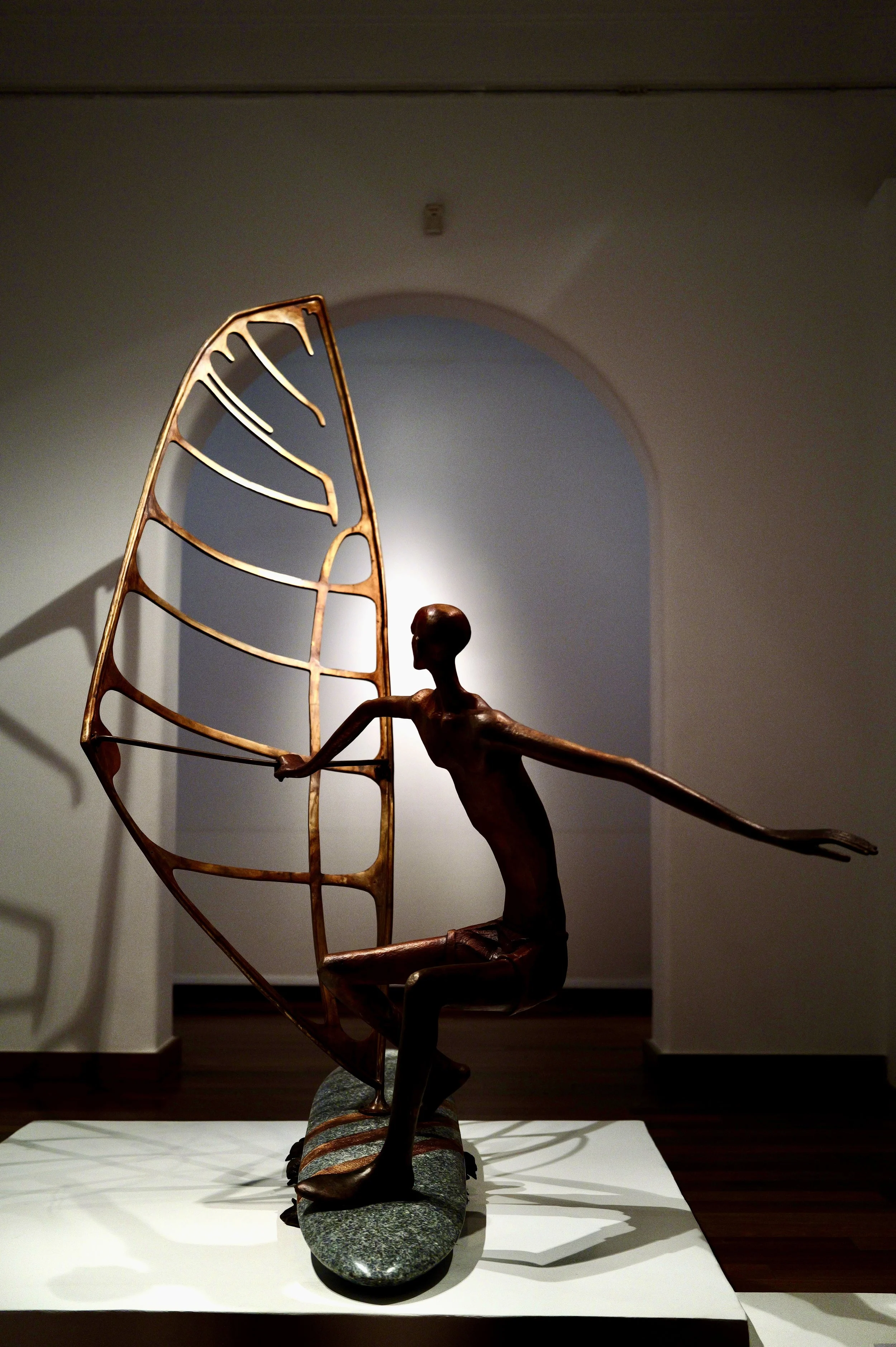
Explore art and furniture galleries such as the Loft Gallery, Safarkhan, and Zamalek Art Gallery - They are all located within a couple of blocks.
Visit a fun, hipster shop such as Retrograde Records
Find anything home-related at MADU
If you still have time, take a look at the city from above at the Cairo Tower
You’ll probably be tired by now, and ready to hit the hotel for a little down time.
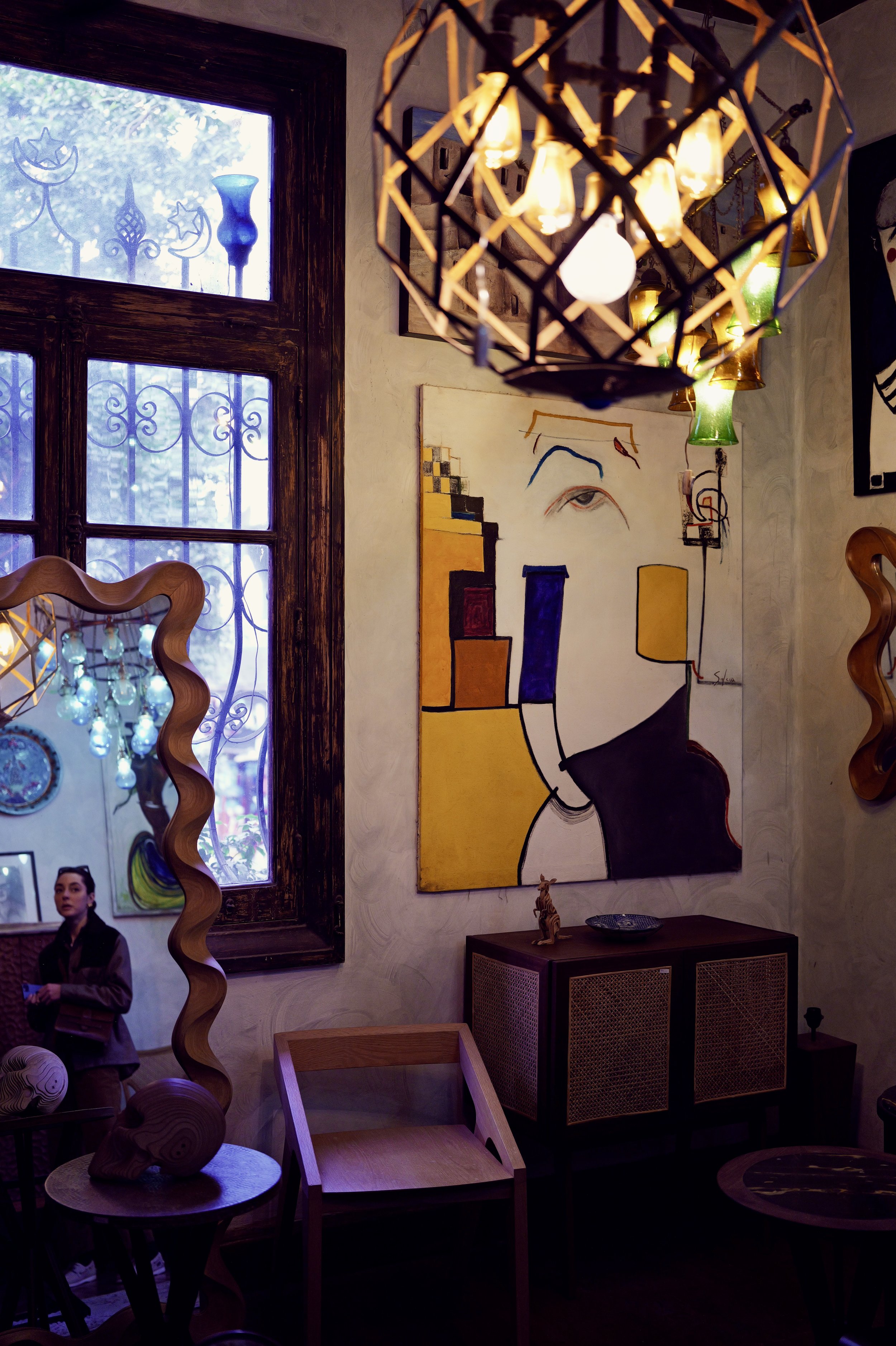
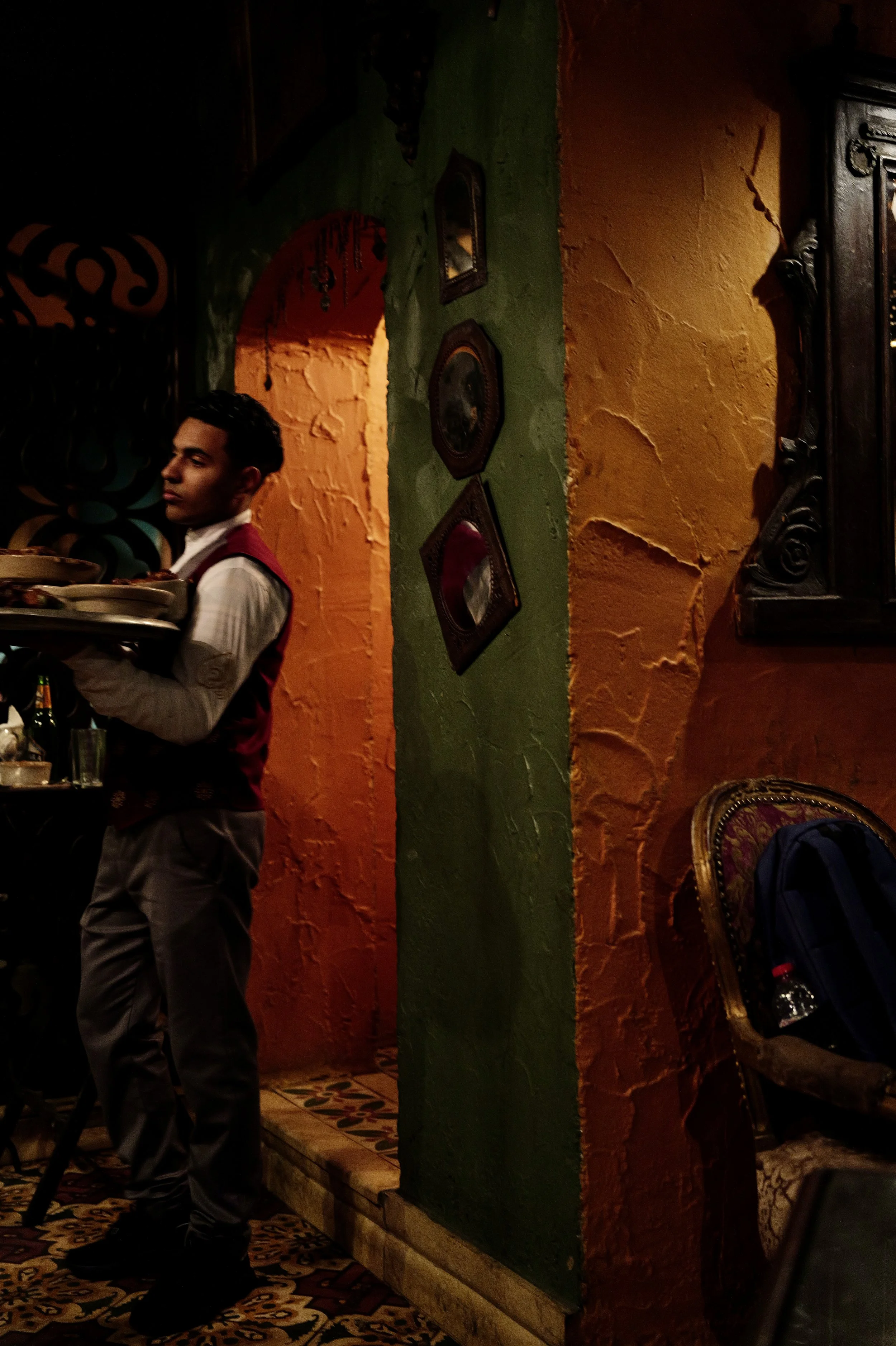
For dinner, definitely try Abou El Sid - the vibe in this old restaurant is just unparalleled and their stuffed pigeon is just unforgettable.
Given its renowned reputation, we suggest you book a little bit in advance as both tourists and locals love to have dinner here and it’s not always easy to find a table.
If you don’t find your spot here, don’t despair - Cairo is full of amazing restaurants. We'll leave you a list at the end of the article.
Day 2,3 - Welcome to Luxor, the capital of temples
While Cairo has so much more to offer - and we’ll certainly visit again, particularly after the opening of the new, Grand Egyptian Museum - it’s time to head to the airport and fly to Luxor.
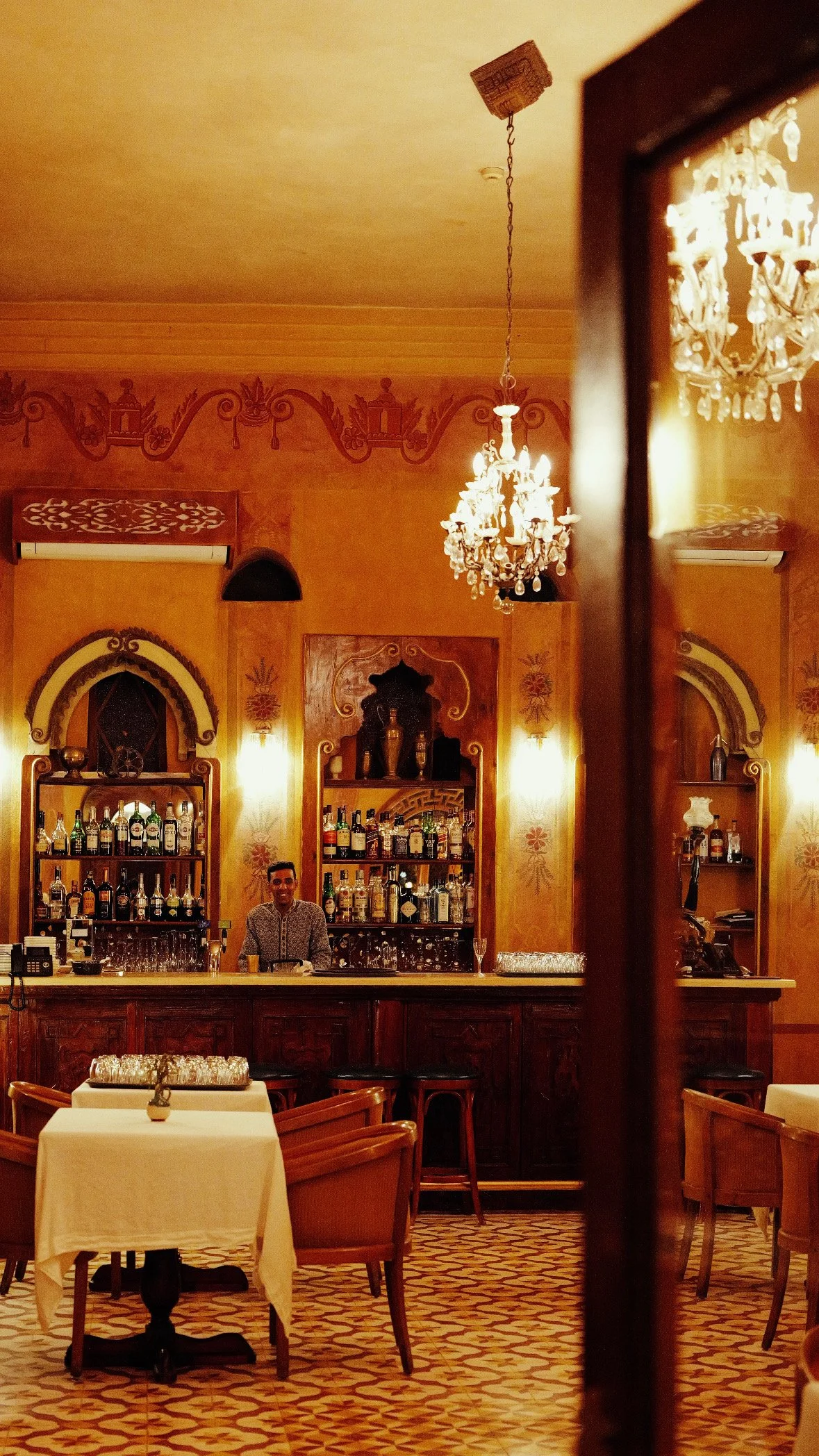
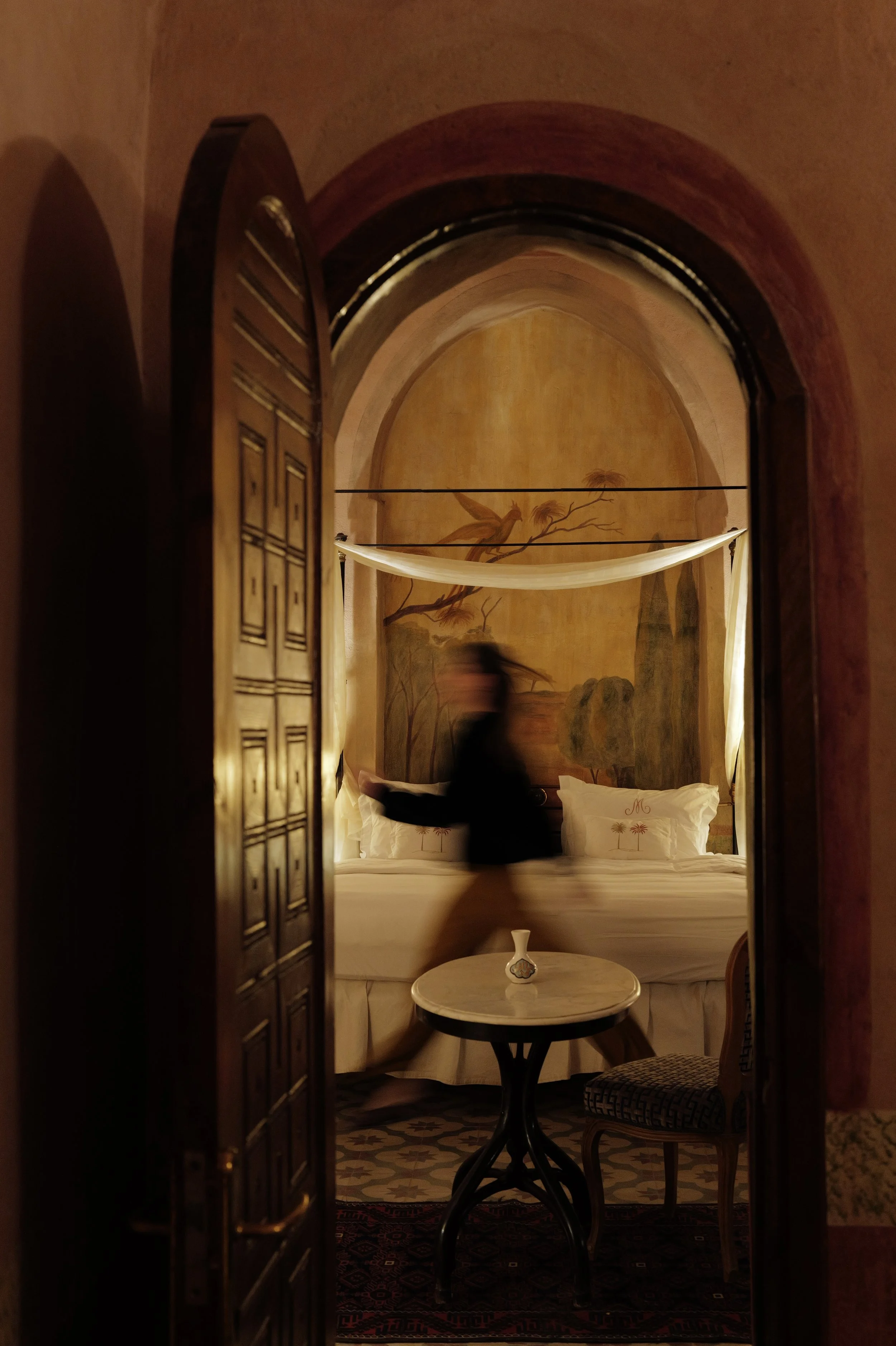
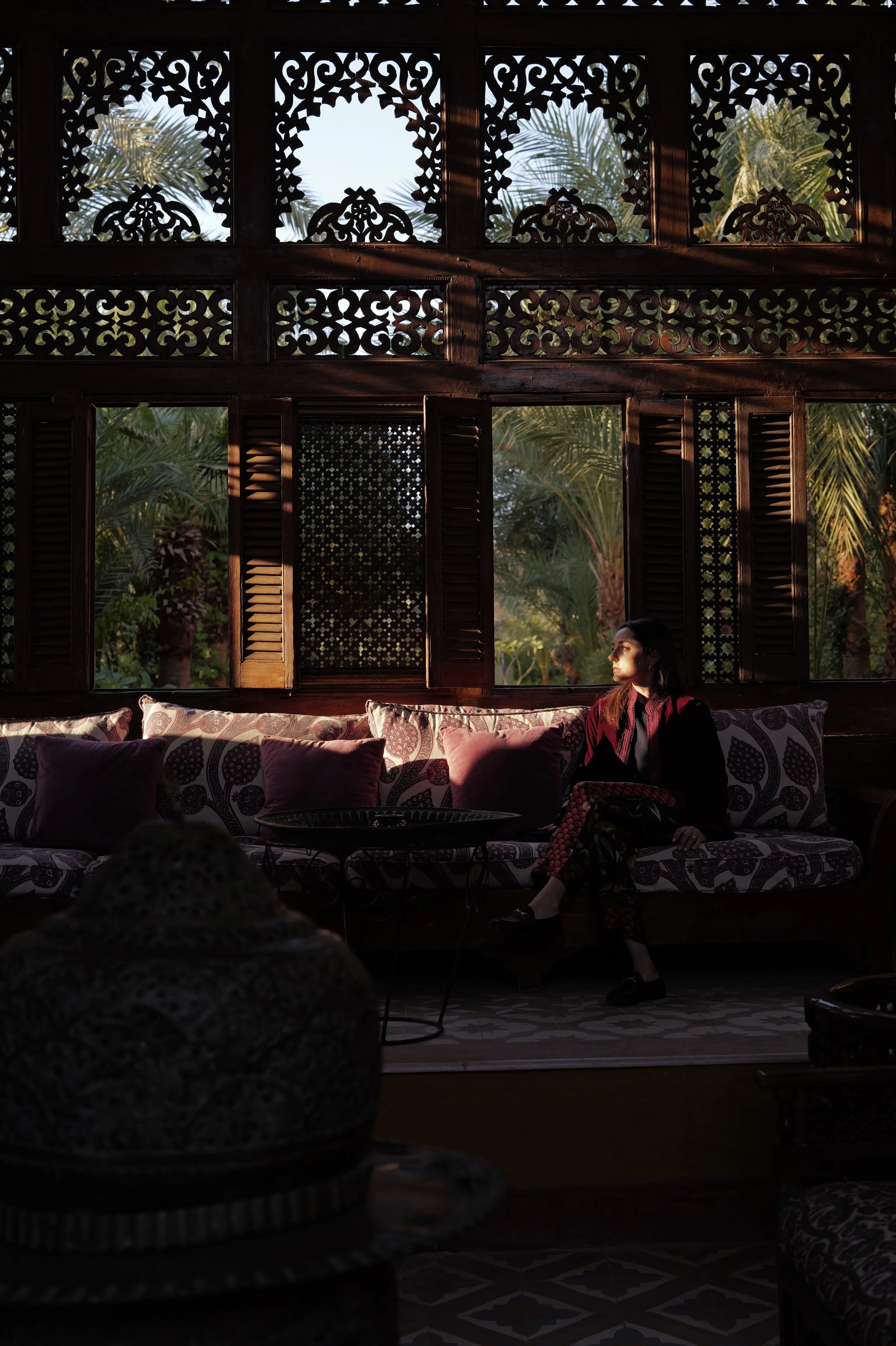
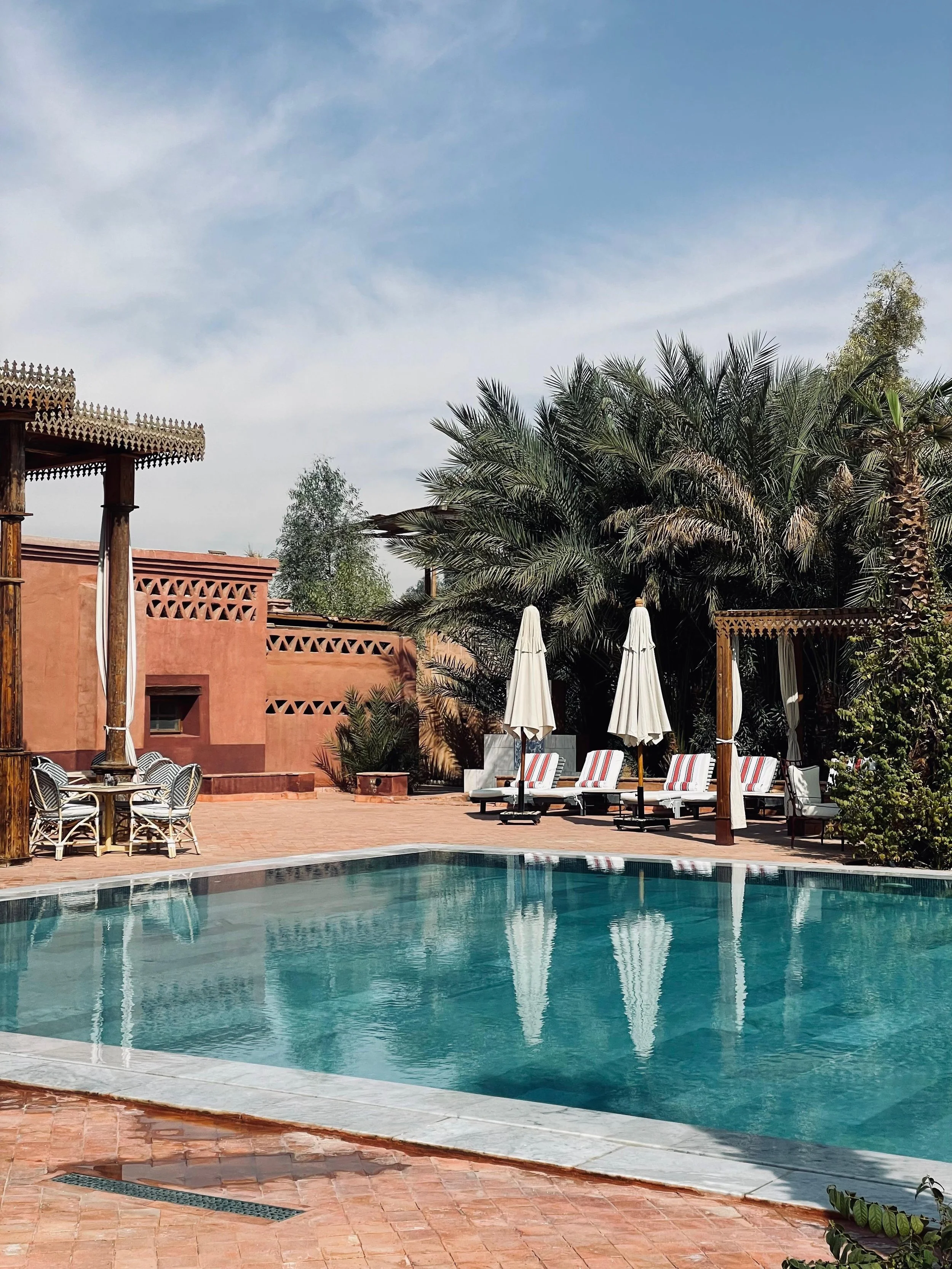
Stay without a doubt at Al Moudira, a peaceful refuge from Luxor’s chaos, 20 minutes away from the city center. Al Moudira is an incredibly stylish hotel on the west bank of the Nile in Luxor, near the UNESCO World Heritage site of ancient Thebes and the Valley of the Kings, and represents the perfect starting point for your exploration during the day.
Upon arrival, we definitely suggest you enjoy this beautiful oasis - you can start with a drink in the Courtyard and then move to one of their amazing restaurants for dinner. The food is simply amazing and every ingredient is fresh, organic and local, sourced from their own farm.
While we didn’t much love Luxor itself, the magic of this place lies in the wonderful excursions you can have in and around the city and the surreal places you can easily reach both on the West and the East bank. Let’s have a look at them, starting with Luxor’s West bank:
The Valley of the Queens - this valley is filled with beautiful, incredibly decorated tombs, usually much less crowded and smaller compared to the valley of the Kings, which is why we recommend you start your visits from here. The masterpiece of the valley is the extraordinary tomb of Nefertari - its ticket is around 50 Euros, way more than the general ticket for the whole valley, but is absolutely worth it!
Amon Temple (also known as Medinet Habu) - According to the legend, this beautiful temple was built exactly where the god Amon appeared, around 2,100 b.C
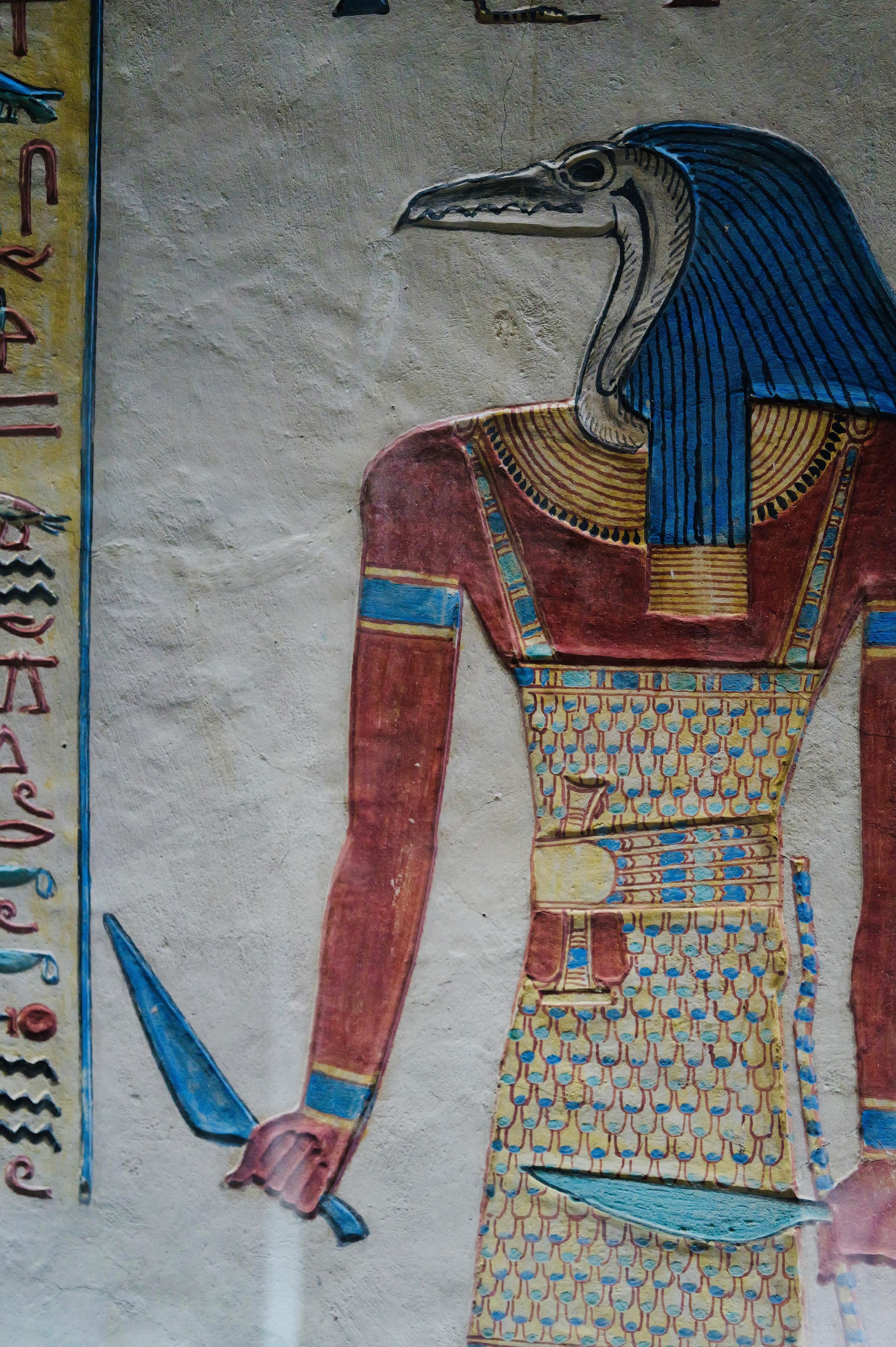
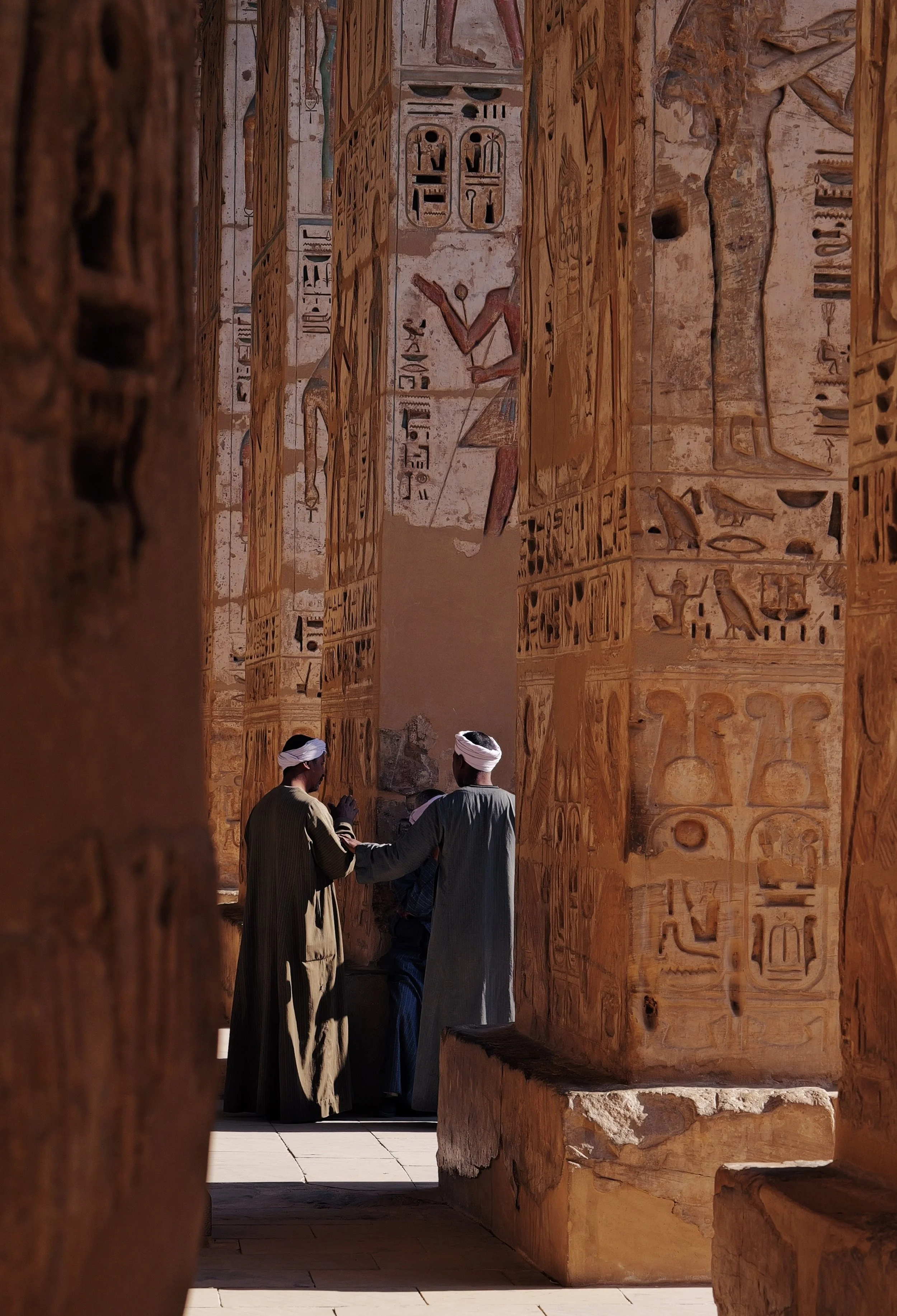
Ramesseum - This temple, built by Ramses II and dedicated to god Amon-Ra, is another wonderful (and usually not particularly crowded) place to visit.
Tombs of the Nobles - Often overlooked, but these beautiful tombs offer stunningly detailed carvings and vibrant murals, which reveal the everyday lives and grandeur of ancient Egypt’s elite.
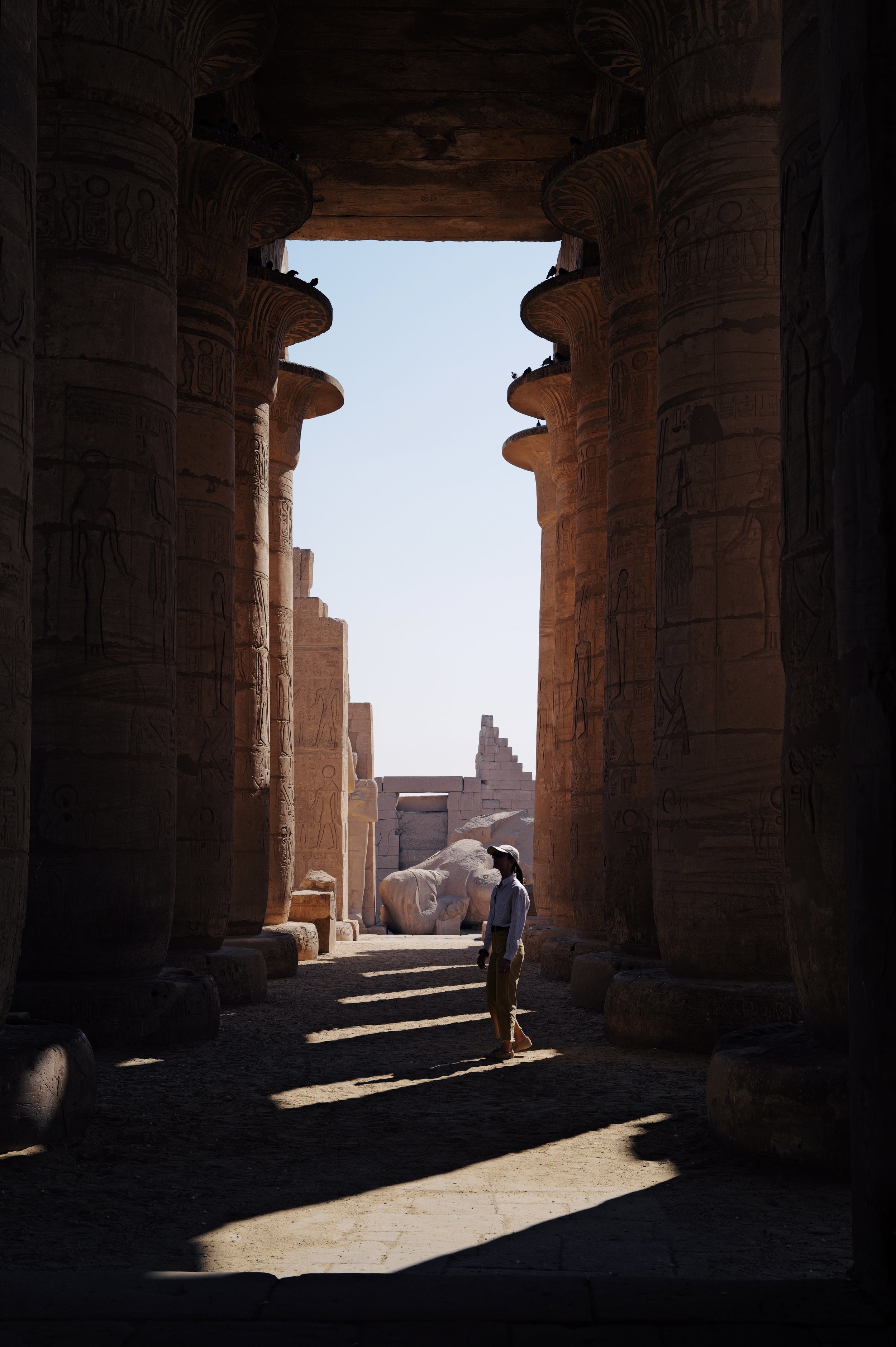

This wonderful tour of some of Luxor’s west bank marvels is going to take the whole morning. Al Moudira’s pool is the perfect place to have lunch and relax during the afternoon.
We suggest you end your day enjoying the sunset from the East bank, before a nice dinner - you can ask Al Moudira to arrange you a transfer to the city center in one of their incredible vintage cars to make it even more special. If you’re planning to have a walk along the riverside at sunset, take into account that this part of town is pretty messy and many people will likely call you in the street to sell you something. Instead, you can enjoy a drink with a beautiful view from the terrace of the Sofitel Winter Palace.
If you’d like to have dinner in the city, go to Sofra - a super local restaurant perfect for an authentic Egyptian experience. So much local and authentic that they don’t sell alcoholic beverages and don’t accept credit cards. Whilst Sofra is a nice restaurant and definitely a nice way to experience something real and genuine, on a mere culinary point of view, we think Al Moudira’s restaurants (all of them) are simply on a different level.
Day 4 - Check in on your cruise and keep exploring Luxor
At the EC we are not fans of cruises in general, but the cruise on the Nile is a unique, extraordinary experience. If you dislike cruises as well, don’t worry - you’re going to love this one!
Embarking on a Nile cruise transcends the typical travel experience - it’s a sensory journey that captivates and transforms, offering a unique harmony between water, earth, and history. The gentle bob of the boat beneath your feet, combined with breathtaking vistas of ancient temples, lush riverbanks, and vibrant local life, creates an atmosphere of serenity and wonder. The Nile’s timeless beauty invites a contemplative stillness and a deep connection to Egypt’s ancient soul, making it a truly extraordinary and unforgettable voyage.
How can you choose the right cruise for you? There are literally hundreds of options, and we know it’s hard to make a decision from home, it was the case for us as well. Our number 1 choice was the wonderful Historia, and it definitely didn’t disappoint (other options are at the end of the article).
Historia’s ship features 50 rooms, a beautiful sundeck with a small pool, truly outstanding service and a brilliant food experience. Moreover, all the visits are arranged in small groups (up to 4 people) with a private guide and driver if needed - The level of attention to detail is outstanding. The itineraries are well described on their website, and the options are more or less always the same with every provider: 3, 4 or 7 nights either from Luxor to Aswan or the other way around.
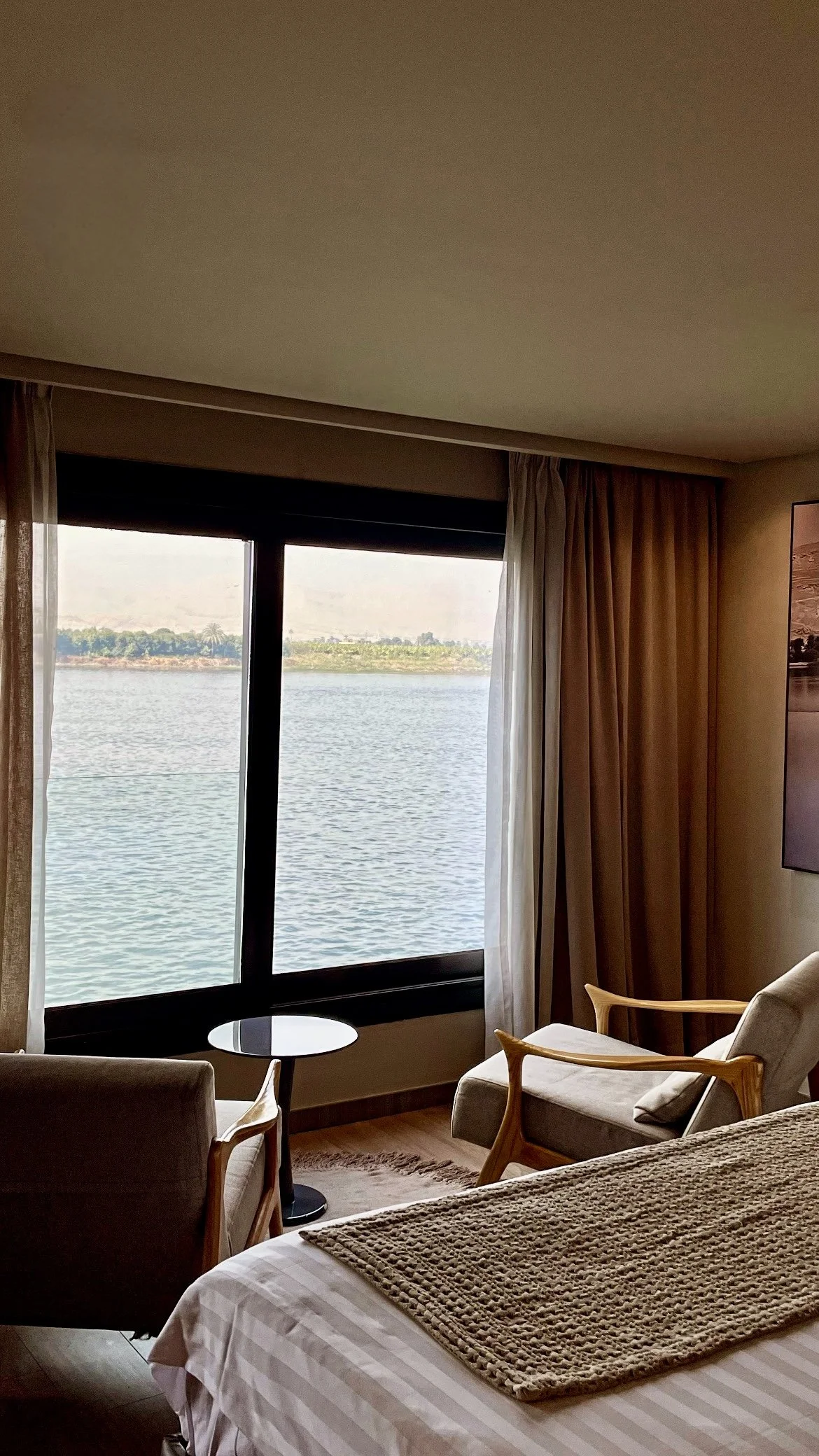
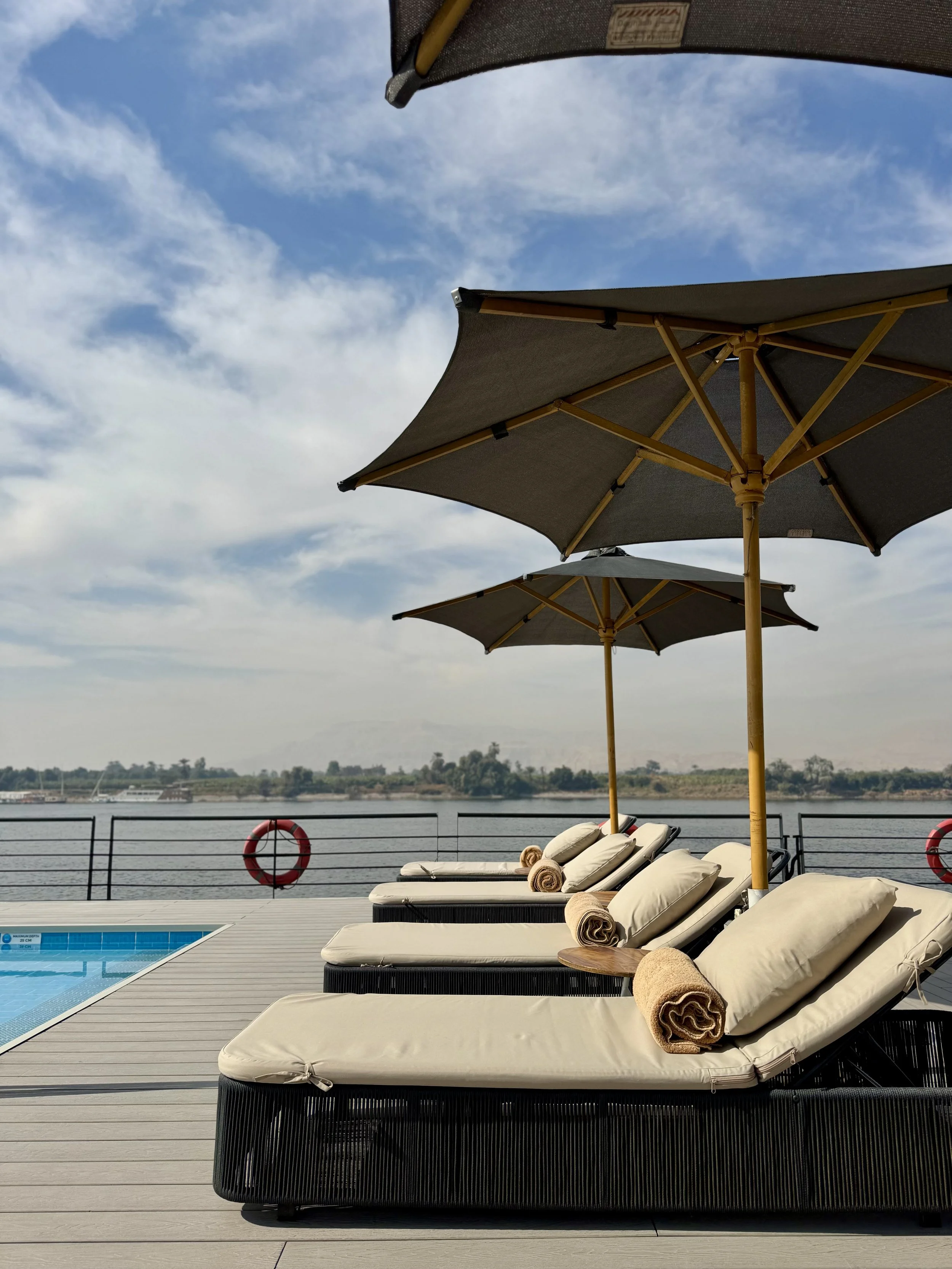
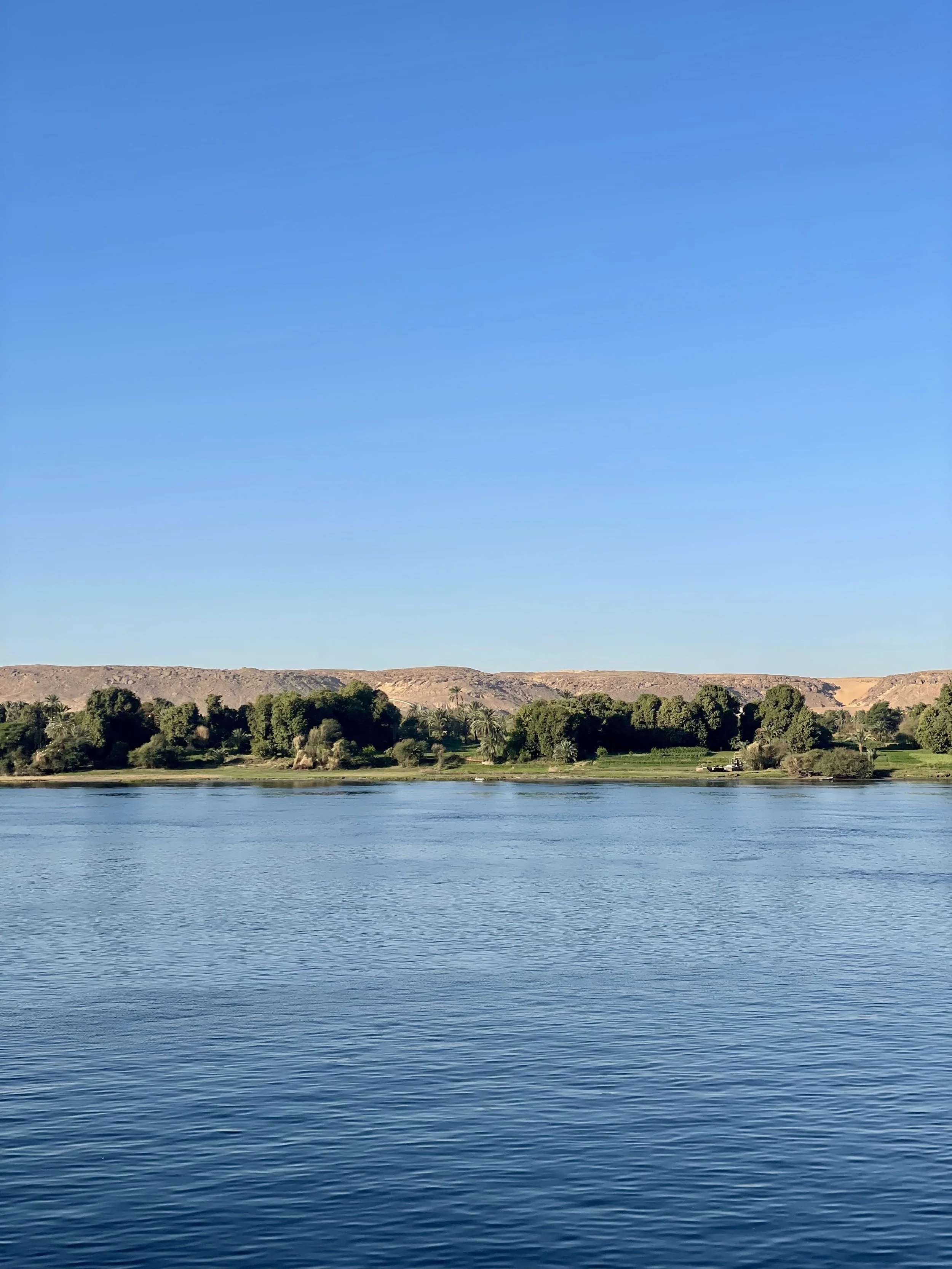
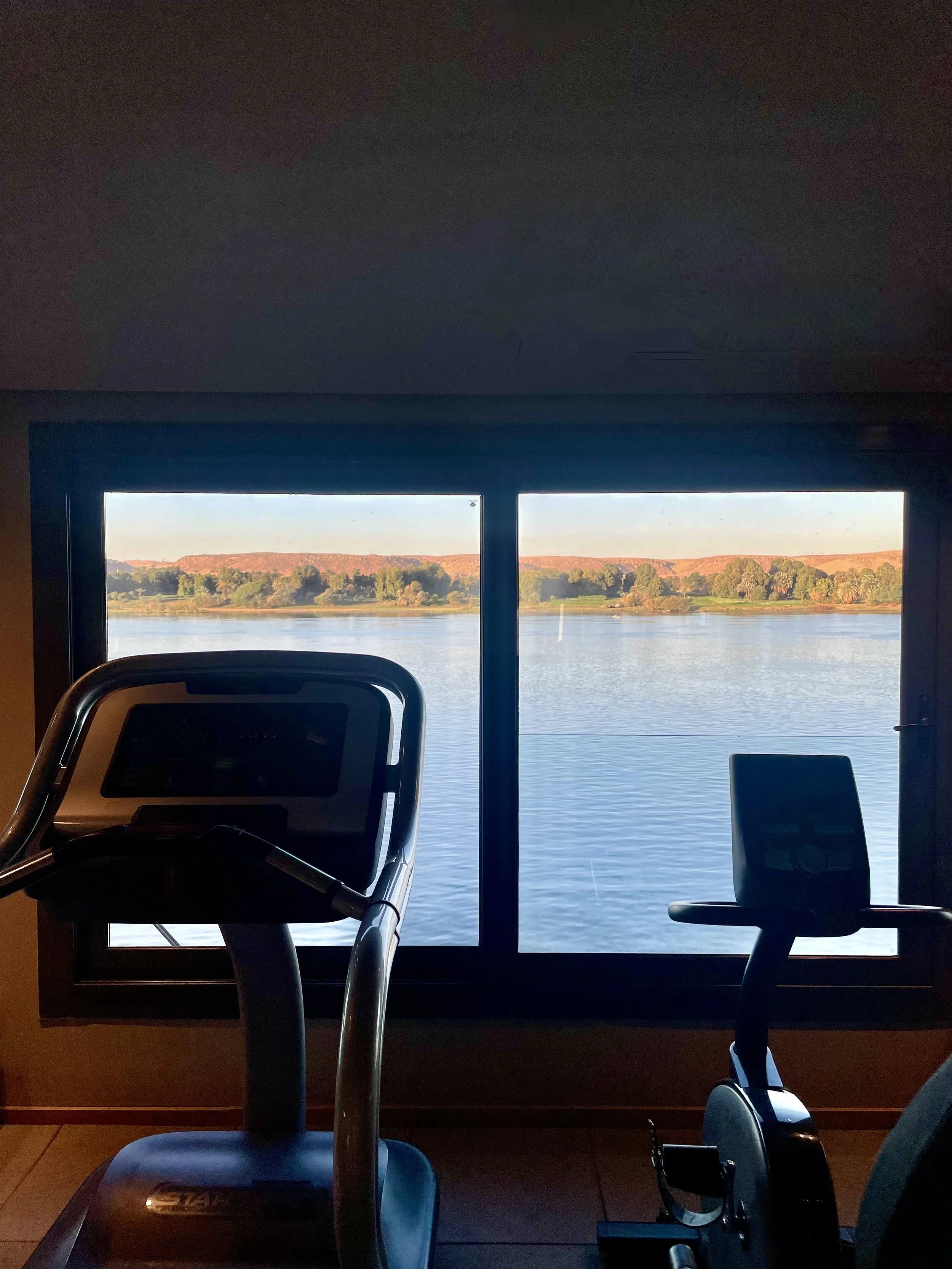
Talking about their outstanding service - Historia will reach out to you ahead of your stay not only to make sure you have the most exquisite stay on board, ensuring all the requested amenities in your cabin and any kind of specific request you may have, but also to arrange your pick up (either from a hotel or airport) to the embarking deck.
Once arrived on board, you’ll be served a marvelous lunch on the sundeck (weather permitting), followed by the visit of Luxor’s East bank - specifically Karnak and Luxor Temple.
Karnak Temple - One of the largest religious complexes in the world, Karnak Temple encompasses a vast array of chapels, pylons, halls, obelisks, and sacred lakes. It was primarily constructed over 1,500 years, beginning in the Middle Kingdom and reaching its peak during the New Kingdom. The Great Hypostyle Hall, with its towering columns and exquisite hieroglyphic carvings, is a marvel of ancient engineering and artistry. Karnak served as a major religious center dedicated to Amun-Ra, and its grandeur reflects the power and devotion of Egypt’s pharaohs.
Luxor Temple - Built primarily during the New Kingdom, Luxor Temple is a majestic complex dedicated to the rejuvenation of kingship and the gods. Its grand colonnades, massive statues, and intricately decorated pylons create a striking entrance to the ancient city. Visiting it at sunset makes the atmosphere even more magical and mystical.
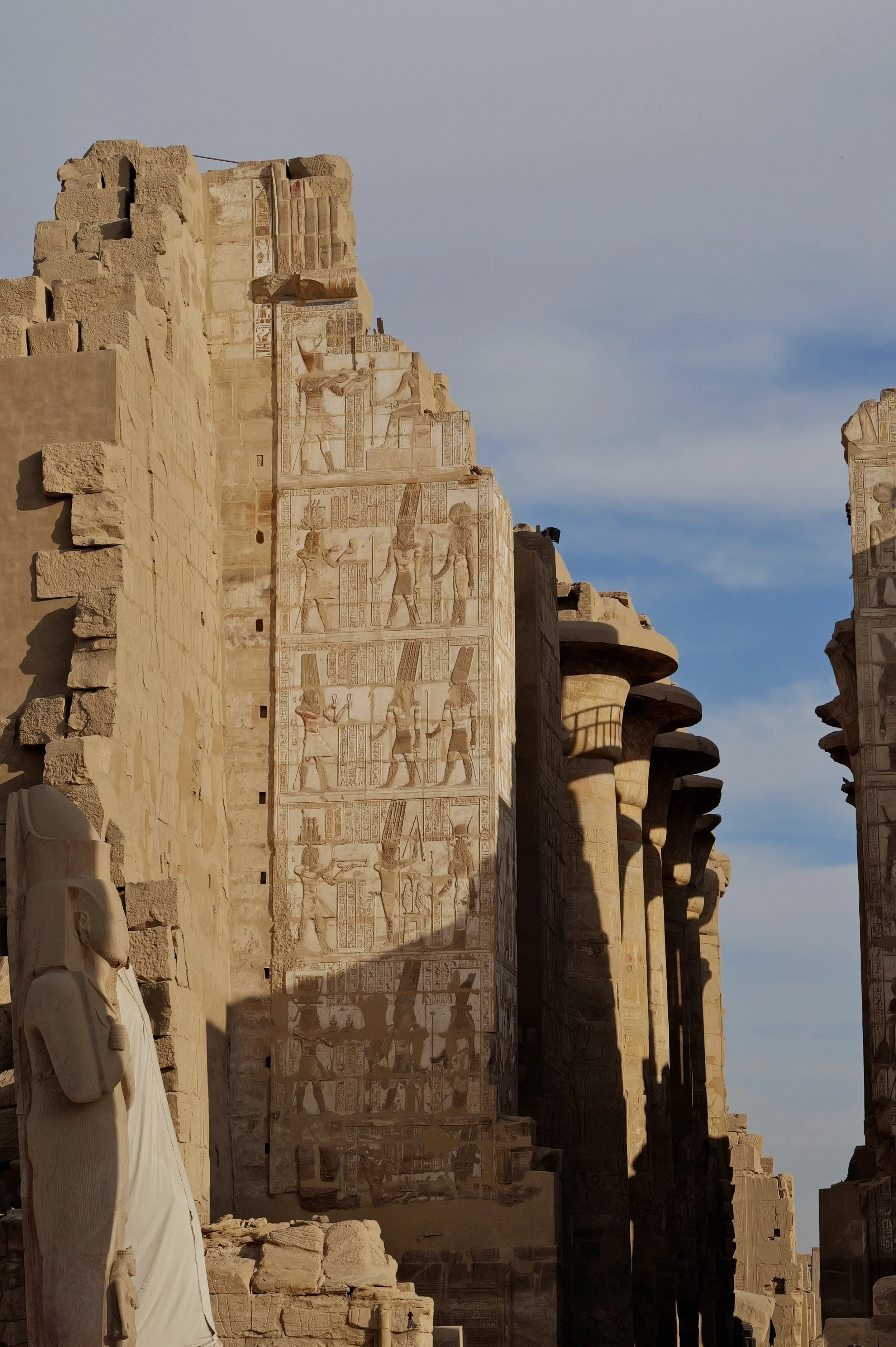
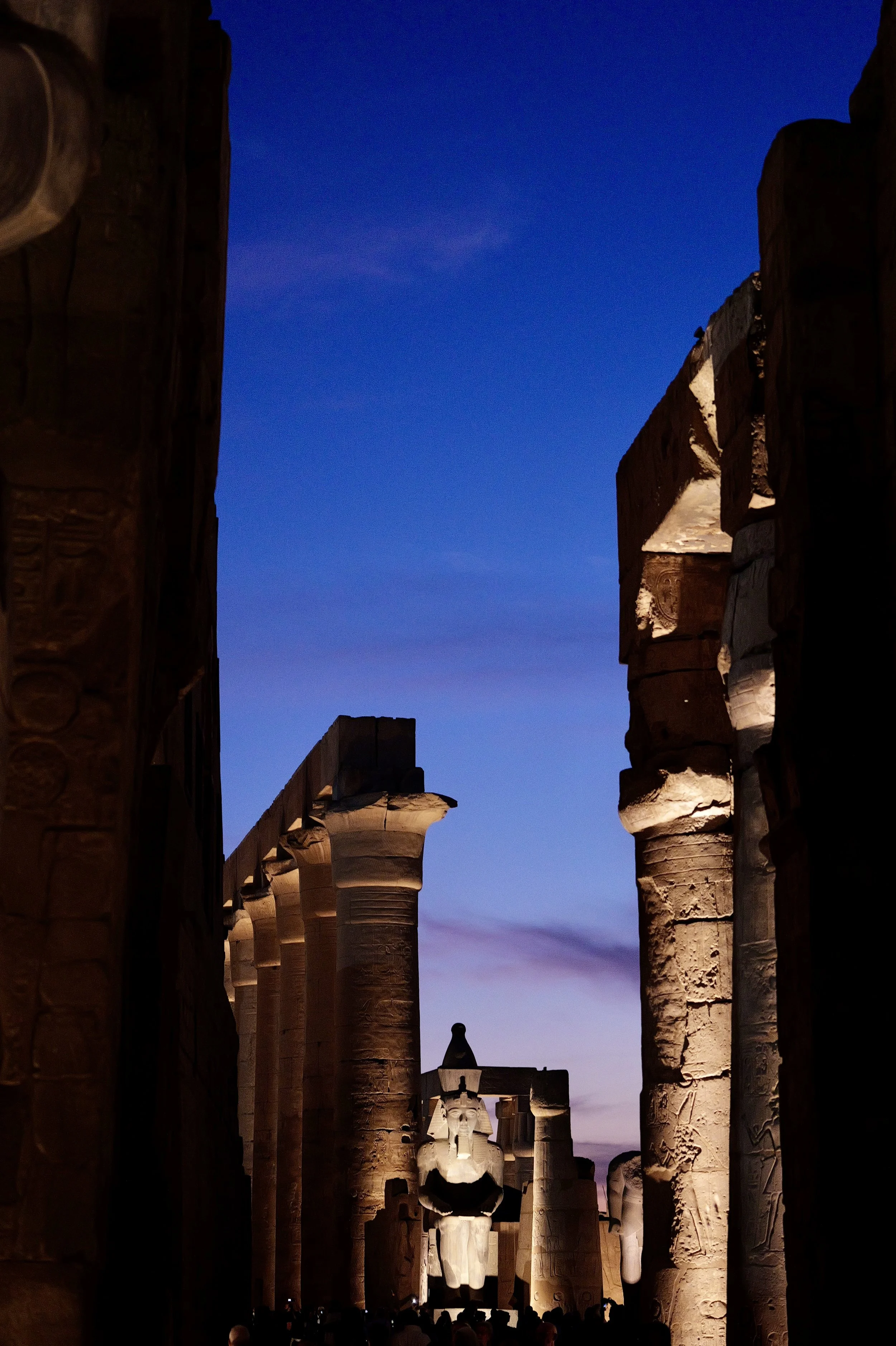
Once back on board, with the eyes and soul filled with beauty and marvel, you’ll enjoy a small show before dinner.
Day 5 - Last bit of Luxor’s discovery and the first cruising experience
After you first night onboard and an amazing breakfast, you’re ready to continue exploring Luxor’s West bank - or beginning to do so, depending on when you arrived in the city. Historia’s visit includes the Valley of the Kings and Hatshepsut Temple only, which is why we recommend you do the other stops on your own.
Temple of Hatshepsut - Also known as Deir el-Bahari or the Mortuary Temple of Hatshepsut, is one of the most beautiful and architecturally unique temples in Egypt. It lies beneath the cliffs of the Theban mountains and was built for Queen Hatshepsut, Egypt’s most renowned female pharaoh, who ruled during the 18th Dynasty (c. 1473–1458 BCE).
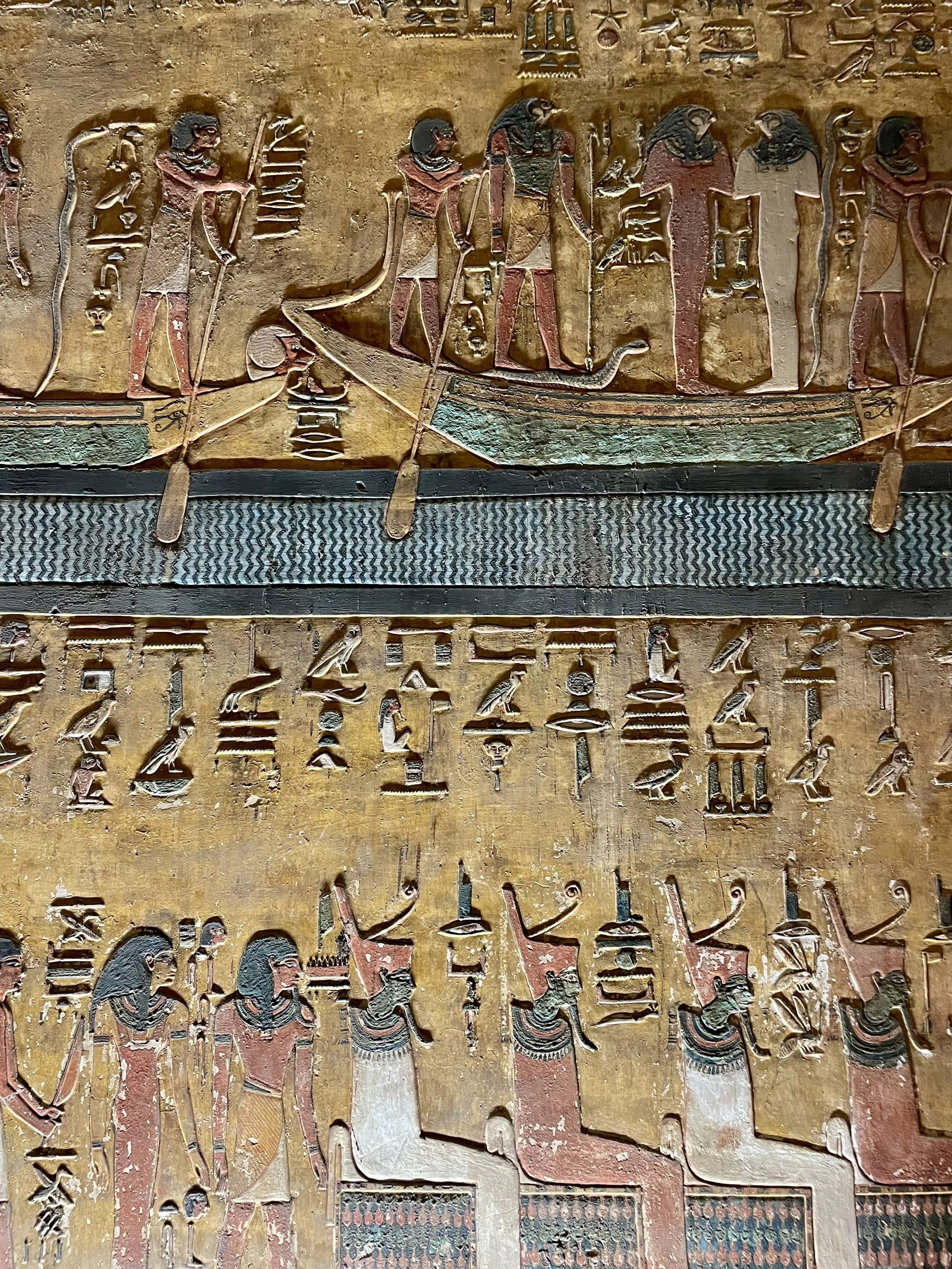
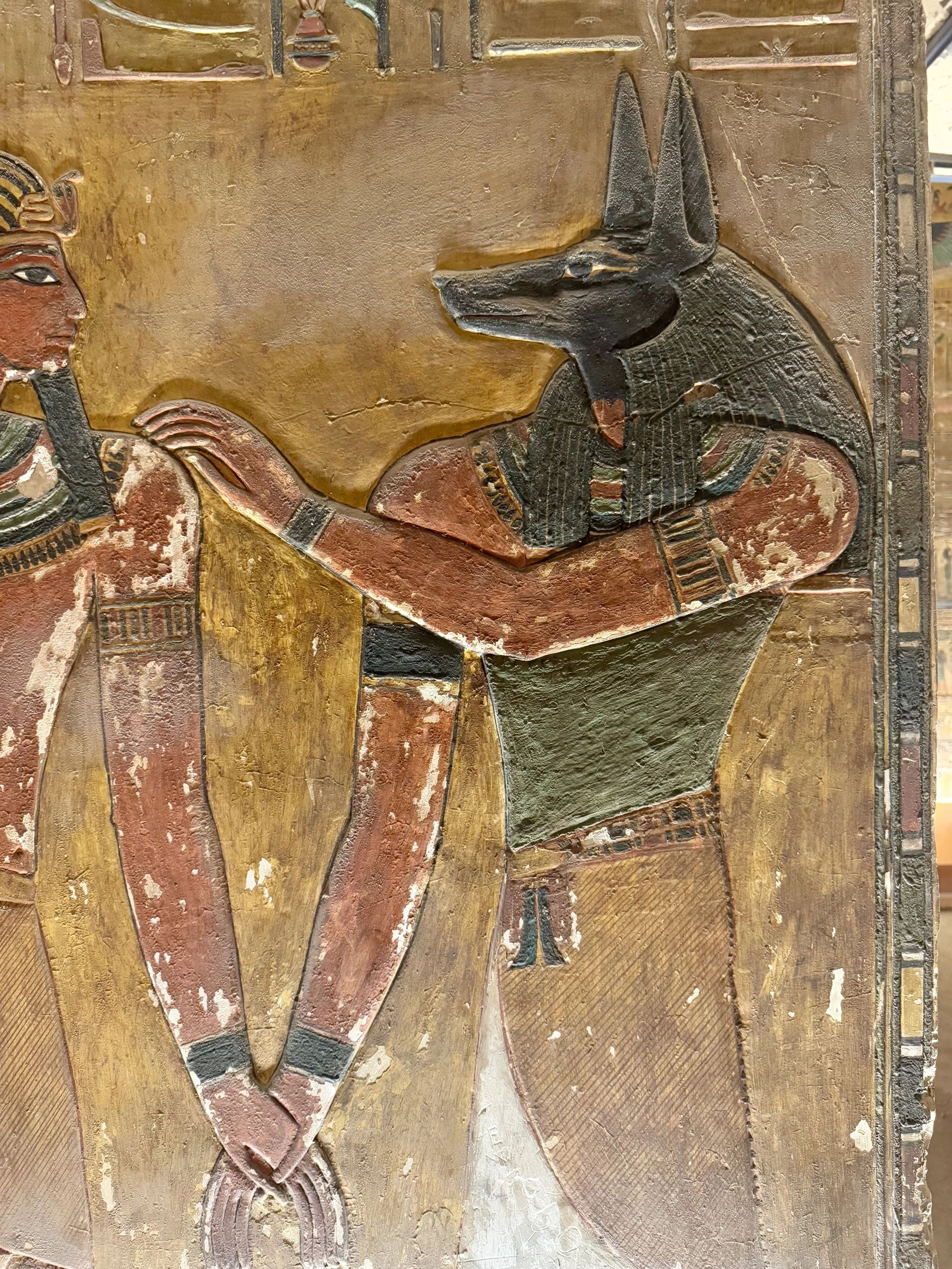
Valley of the Kings - Counting more than 60 known tombs, is one of the most famous archaeological sites in the world, which served as the royal burial ground for pharaohs and powerful nobles of the New Kingdom (1550–1070 BCE). Having to choose which ones to visit, make sure not to miss Seti I one - by far the most beautifully decorated and preserved, even if it requires a separate (and pricey) ticket. We like to say that it’s Egypt’s version of the Sistine Chapel! Our other favorites were: KV2 (tomb of Ramesses IV), KV16 (tomb of Ramesses I) and KV9 (tomb of Ramesses III).
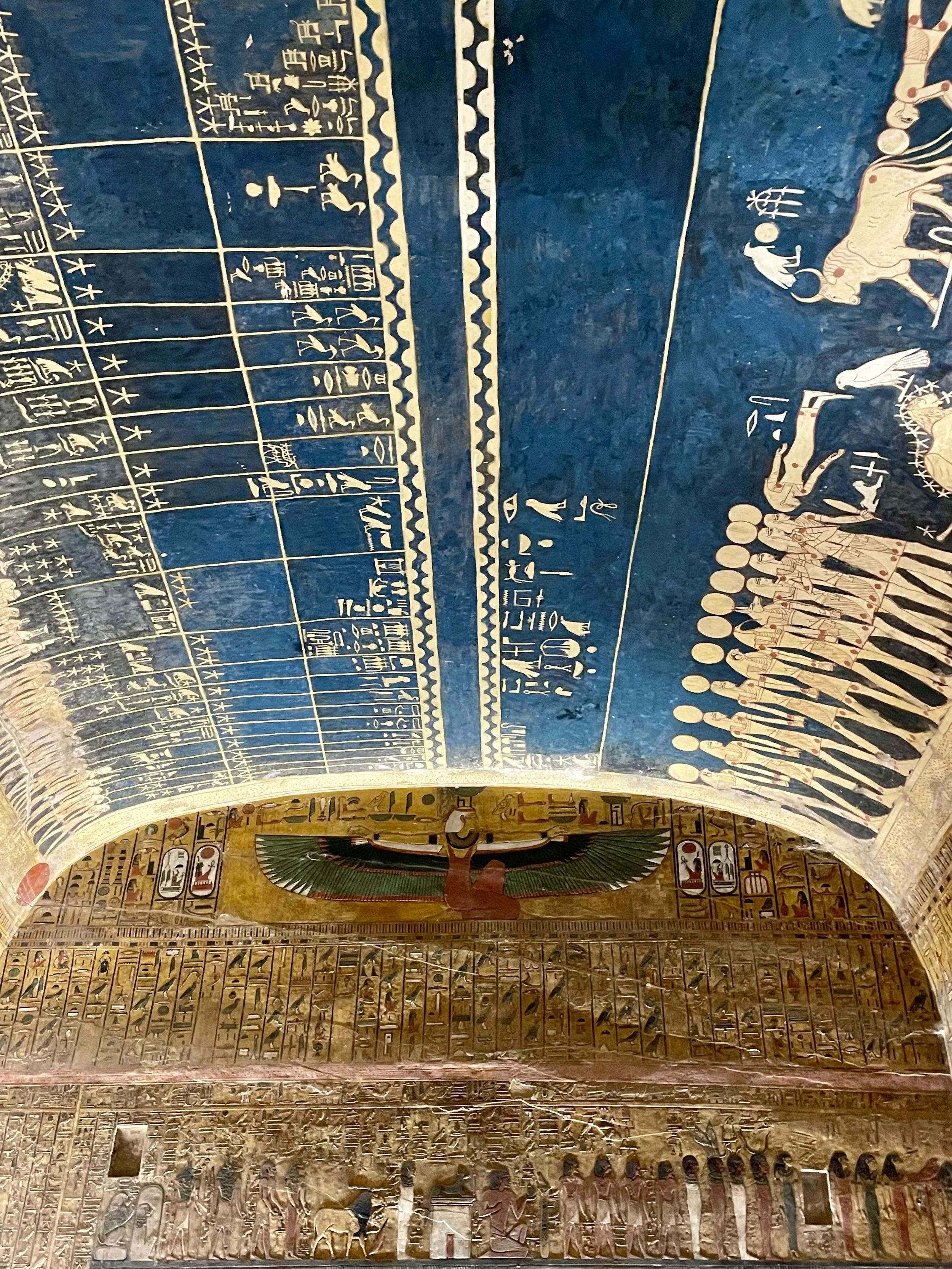
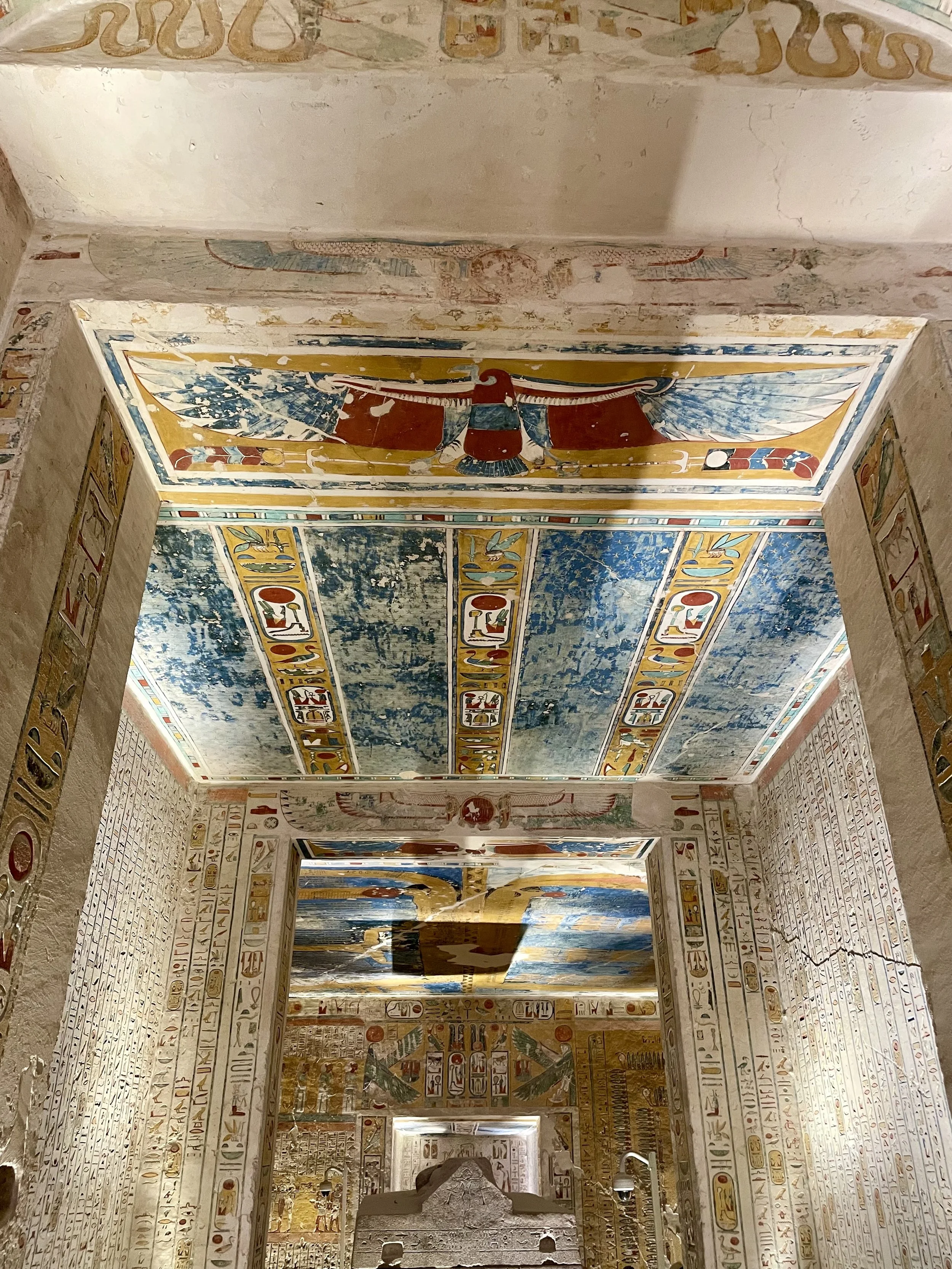
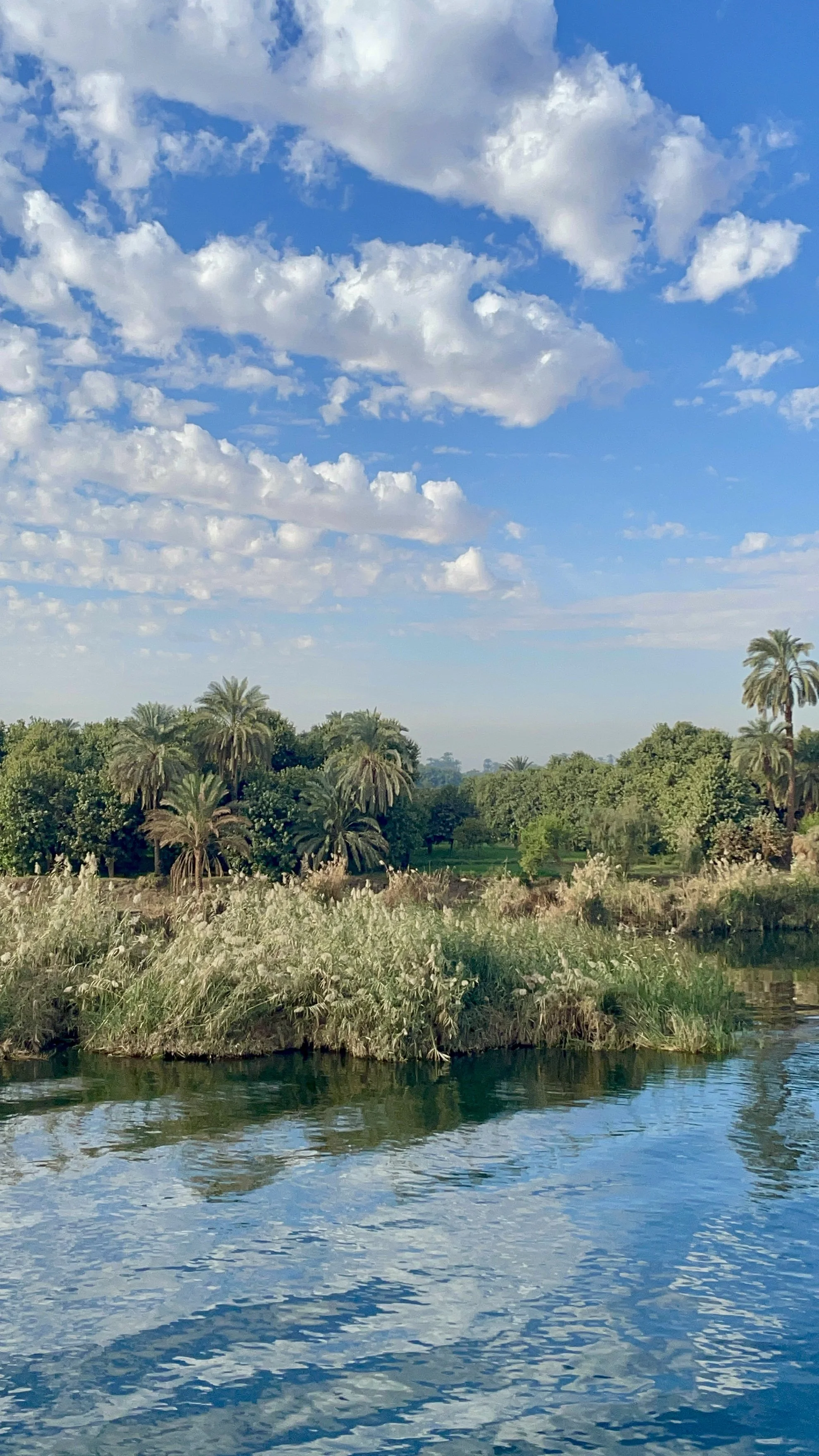
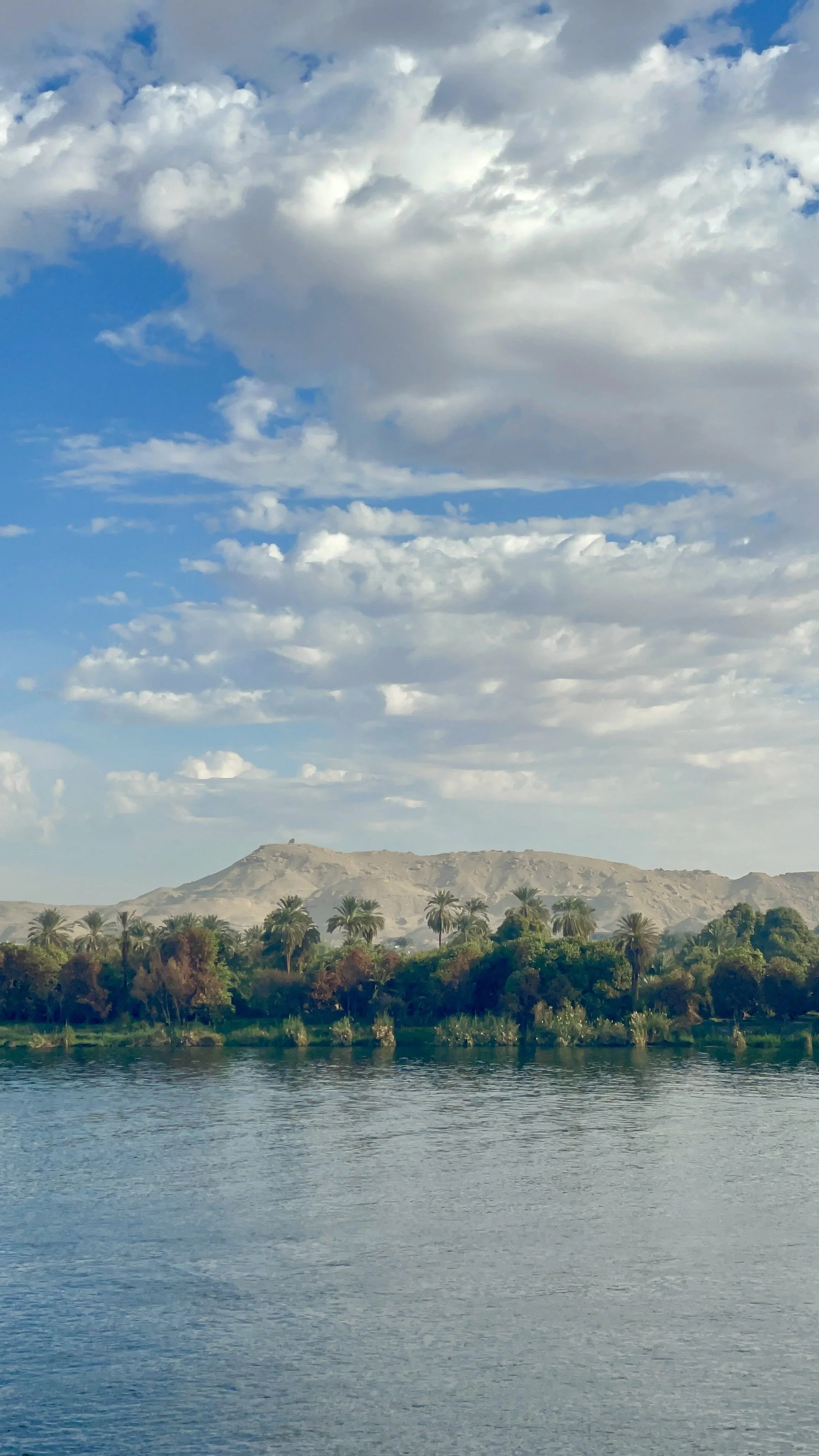
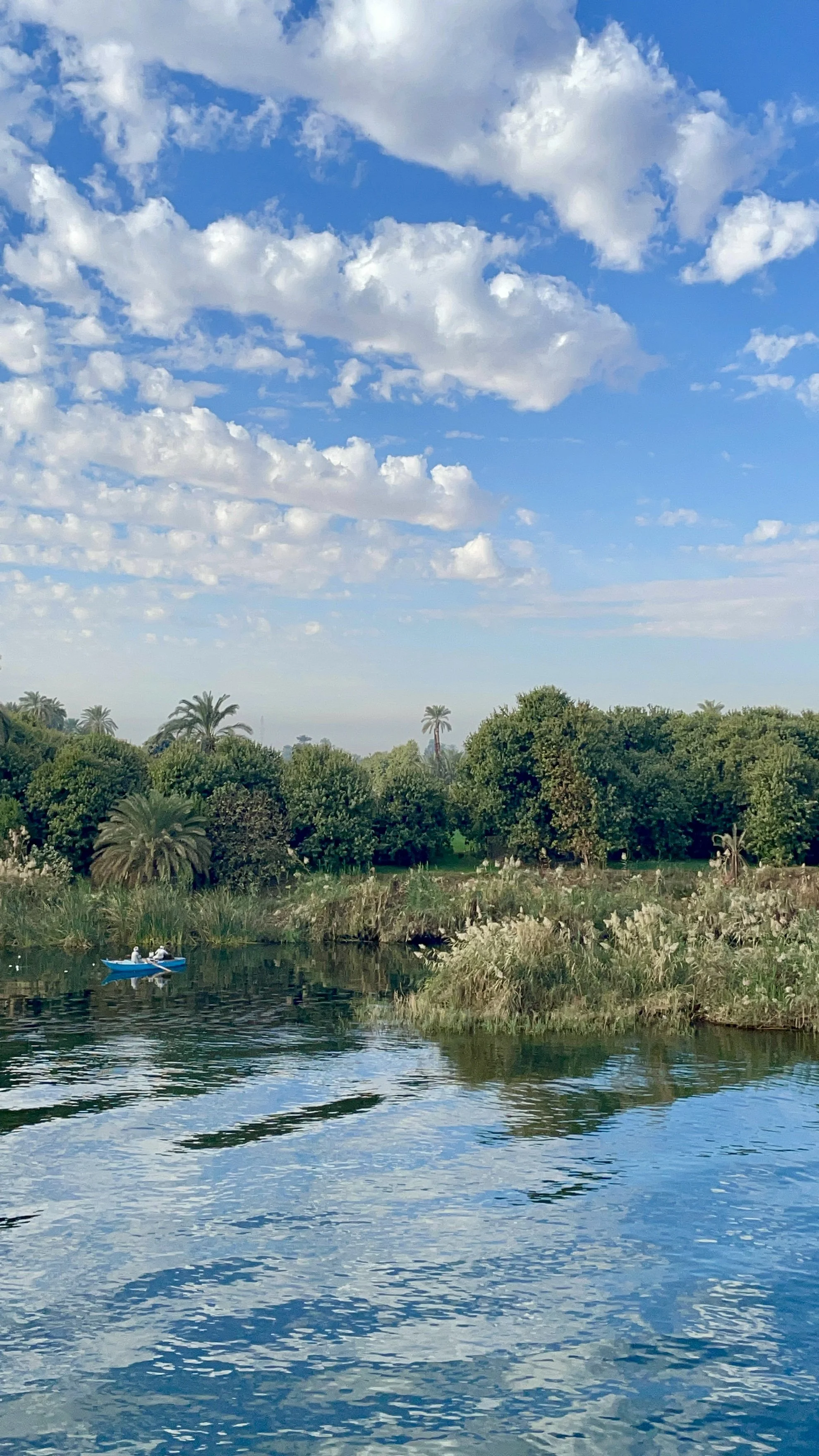
After a full morning, you’re now ready for a lunch on board and your first cruising day. Make sure to relax by the sundeck’s pool to fully enjoy the tranquil floating over the Nile’s water.
Day 6 - More cruising and temples
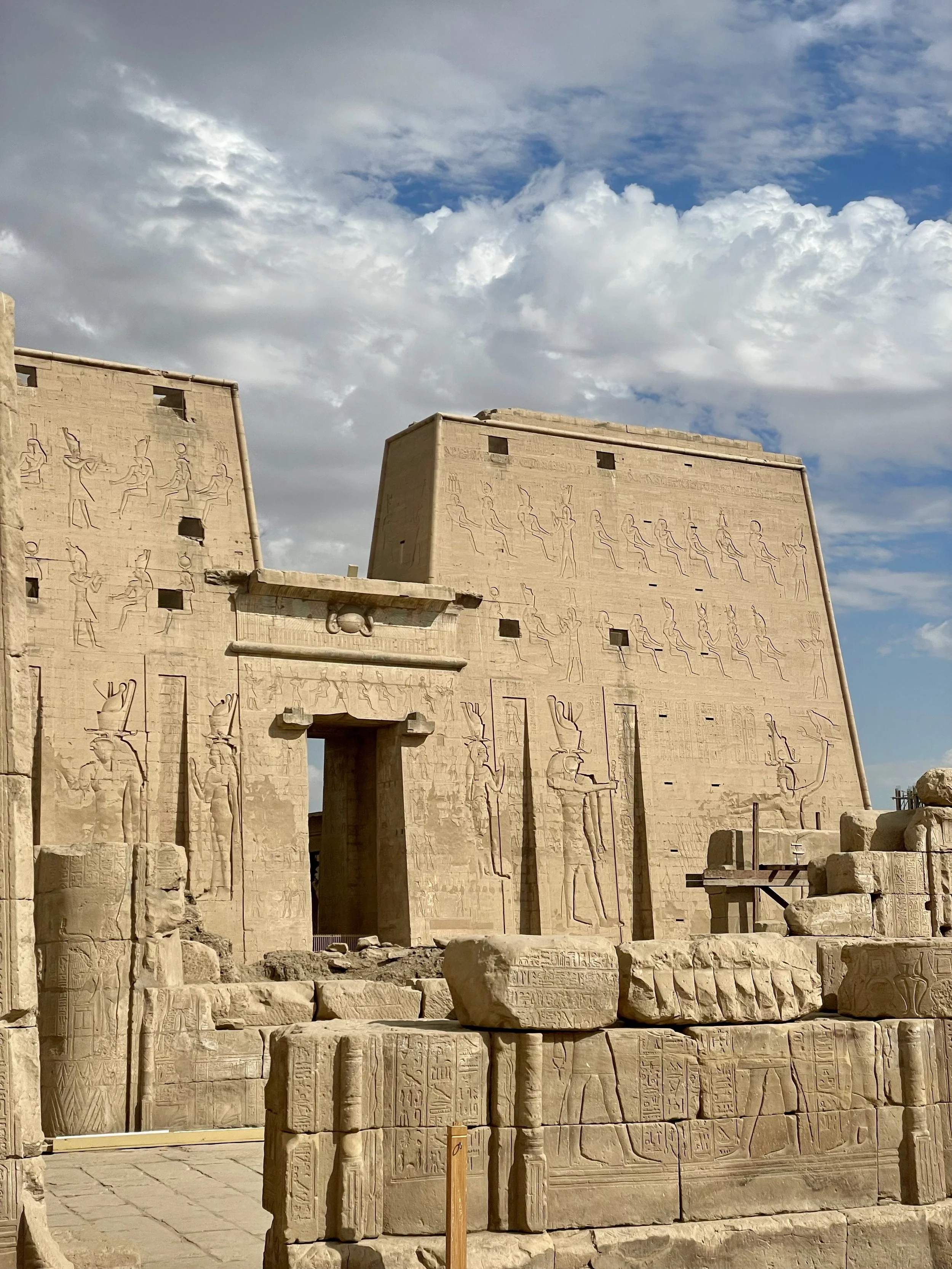
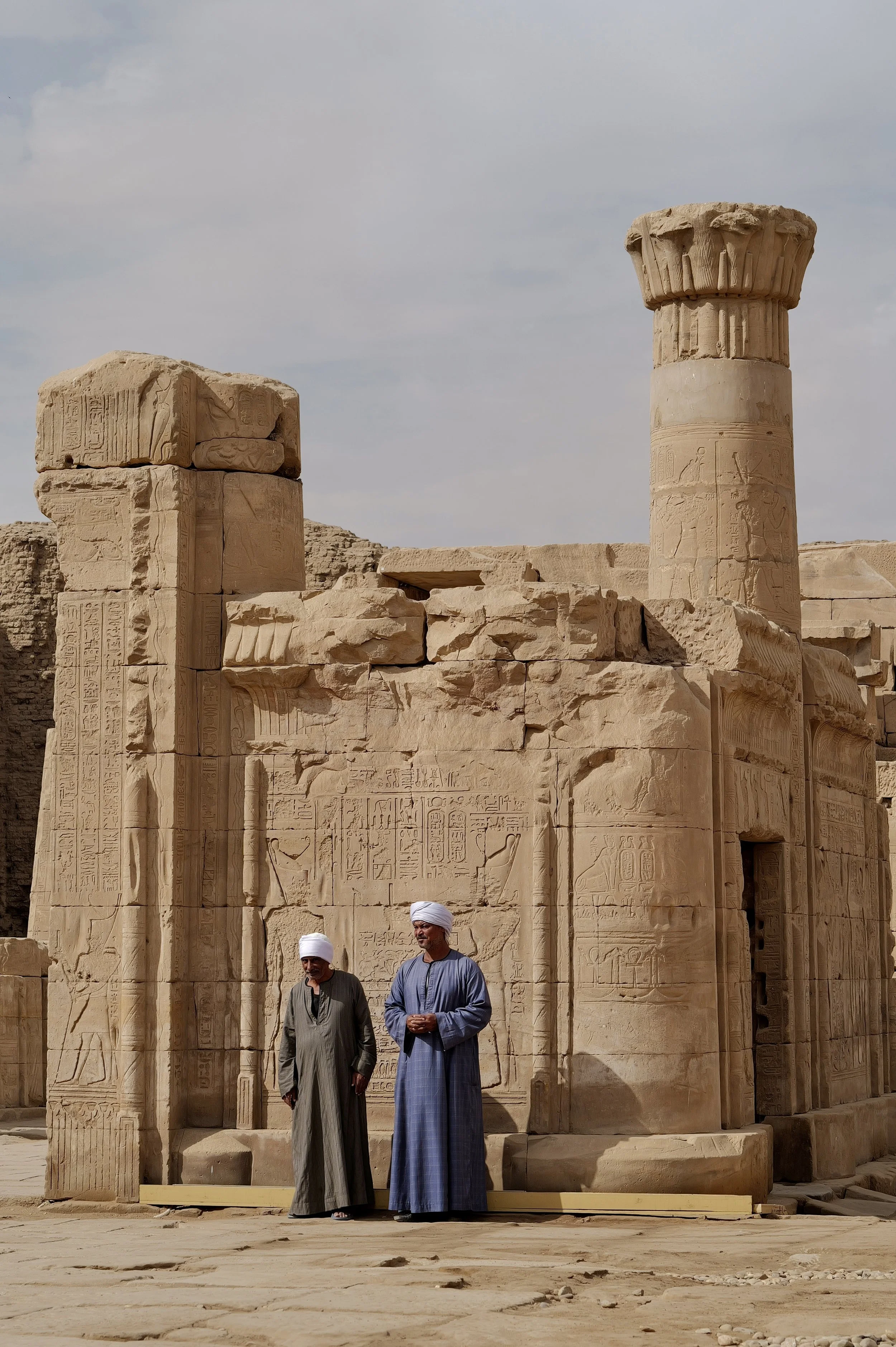
By mid morning you’ll reach your next stop: Edfu Temple - Also called the Temple of Horus (the falcon-headed god), was built between 237 and 57 BCE and is one of the best-preserved ancient temples in Egypt because it survived largely intact under desert sand for centuries.
Back on board by mid-day, you’ll be served lunch and enjoy another half a day of sailing, until reaching Kom Ombo around sunset hour. Kom Ombo is a dual temple - built to honor two gods equally (something very rare in ancient Egypt) - which sits dramatically on a hill overlooking the Nile, between Edfu and Aswan.
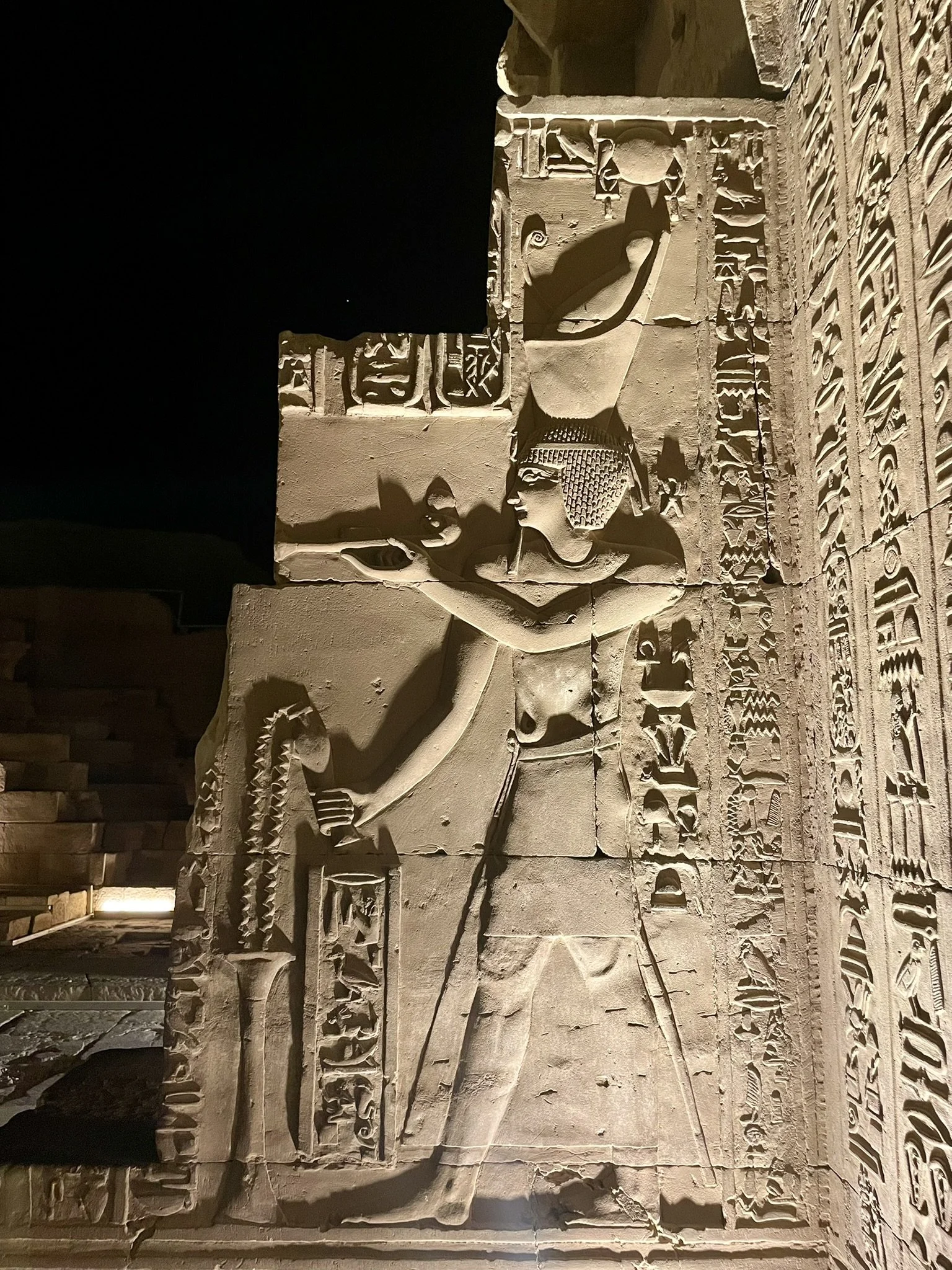
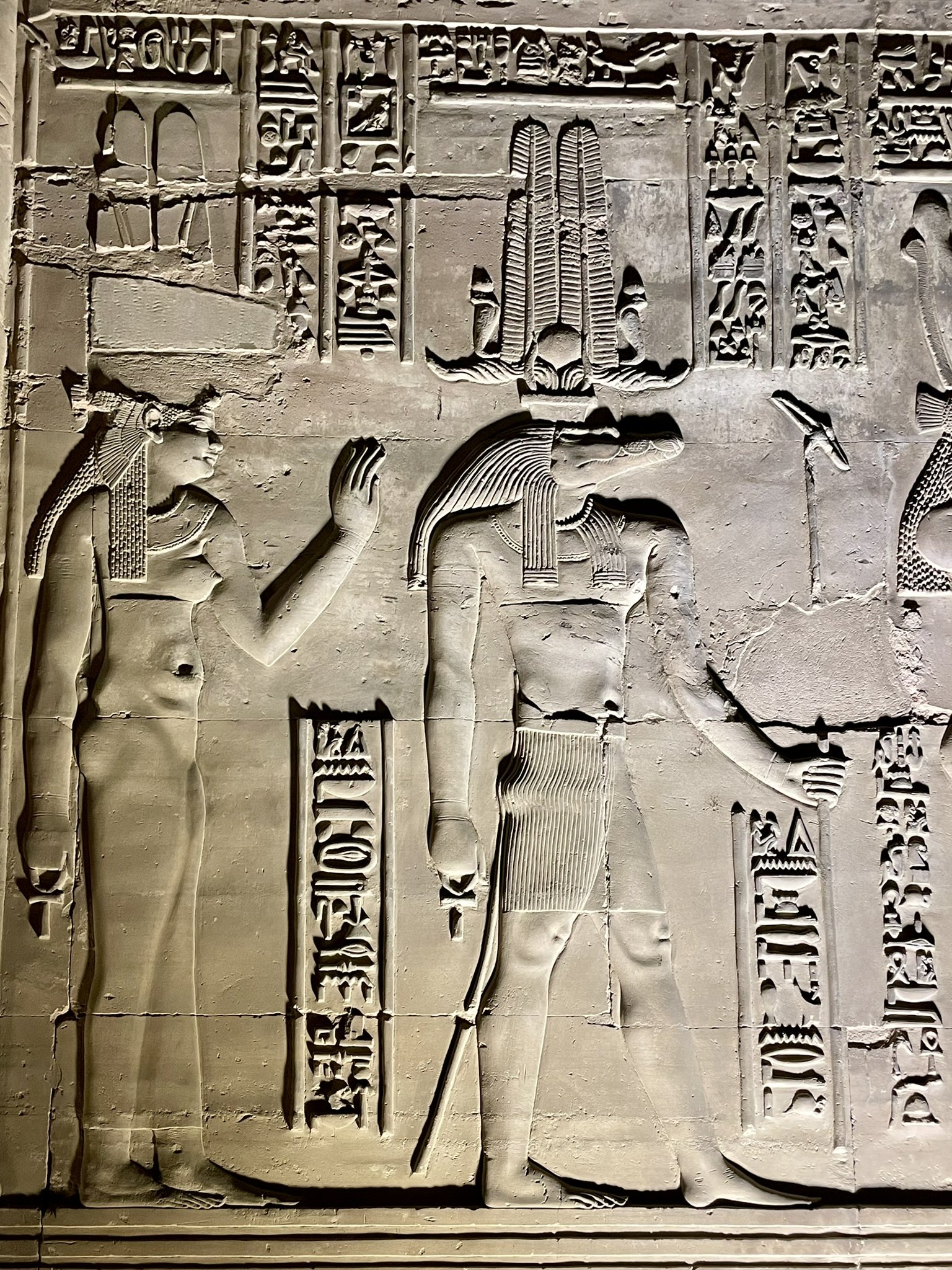
Another day has almost come to an end - but not quite already. Once back on board, you’ll continue sailing until Aswan, enjoying your last dinner on the water.
Day 7 - Aswan and the felucca ride
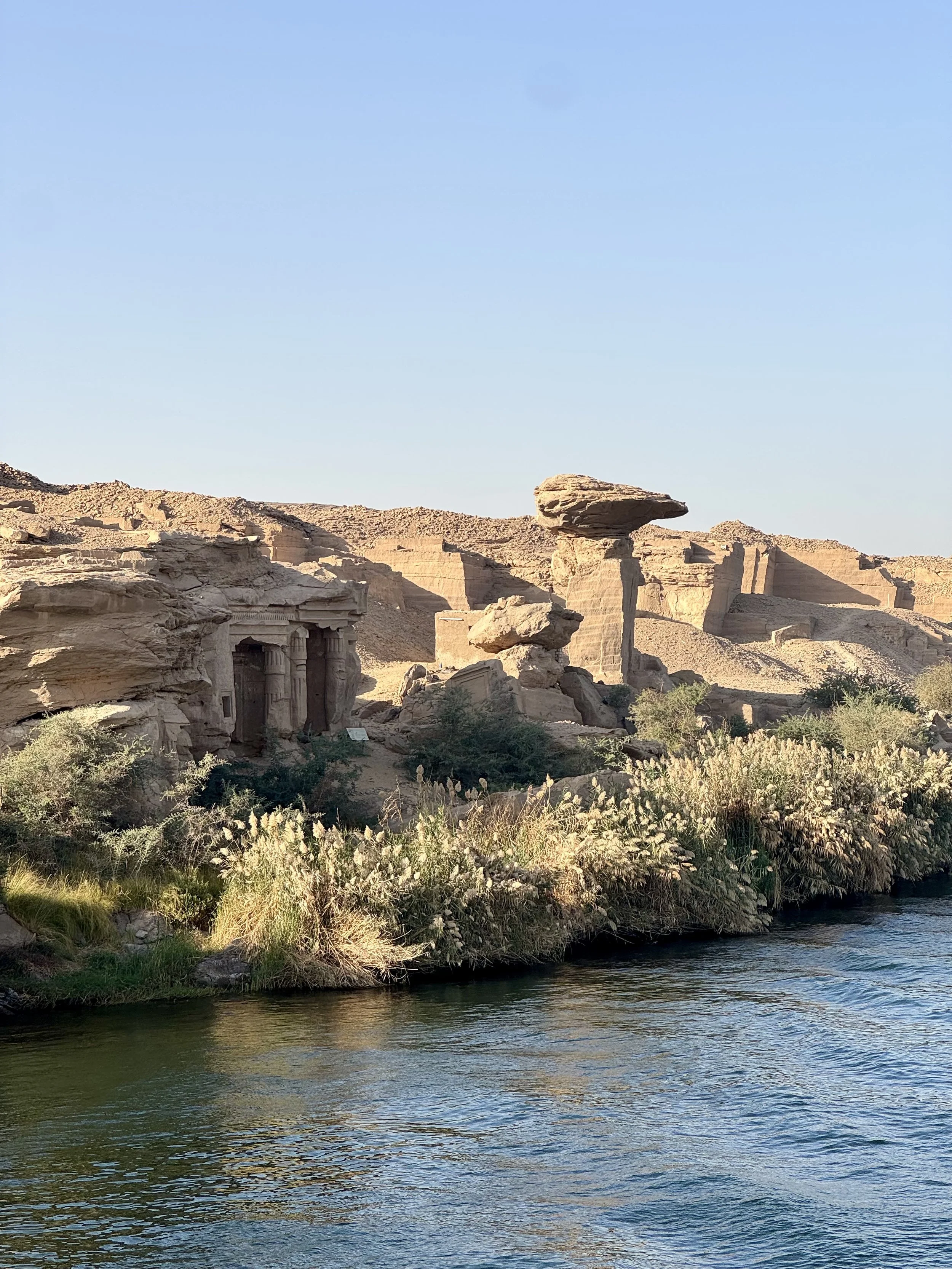
For your last morning on the ship, you’ll visit one of Egypt’s ancient enigmas: the Unfinished Obelisk, tucked into the pink-granite quarries of Aswan. It is not a temple, not a tomb, and not a monument in the traditional sense. Instead, it is a rare glimpse into the process behind Egypt’s greatest stone masterpieces. Intended to be the largest obelisk ever carved, this colossal monument - measuring an estimated 42 meters and weighing over 1,000 tons - was abandoned in place when a deep crack appeared in the granite. What remains today is a half-freed giant still lying in the bedrock, offering a raw, unfiltered view into the craftsmanship of an ancient world.
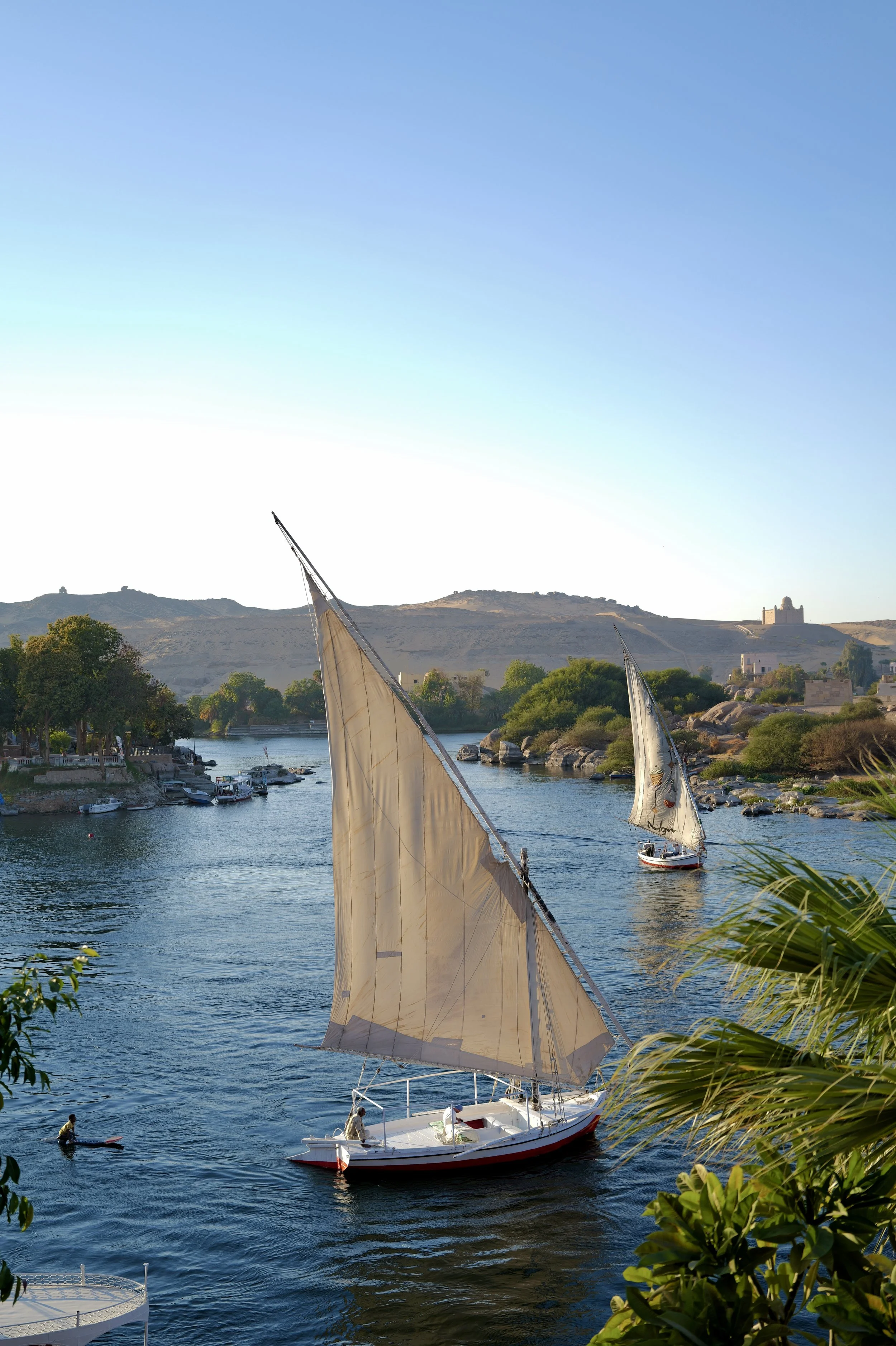
After lunch, it’s finally time for the felucca ride! The felucca is a small, wooden sailboat, typically used in the Mediterranean and specifically in Egypt. It offers a tranquil sailing experience, where the river softens to a gentle whisper. While the sun warms the palms along the riverbank, you drift past small, lush green islands, with silhouettes of ancient temples watching from afar. It’s an experience you won’t forget!
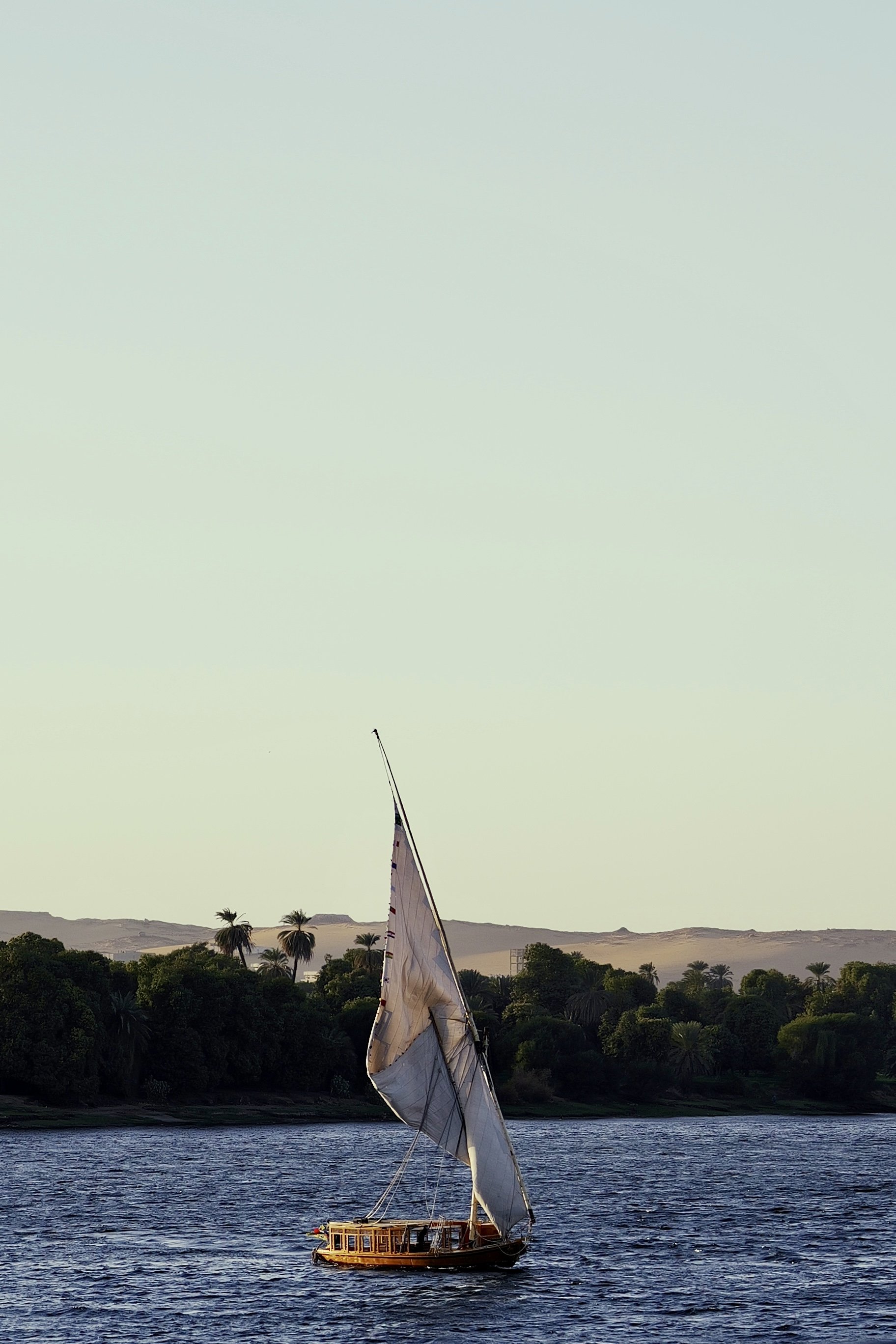
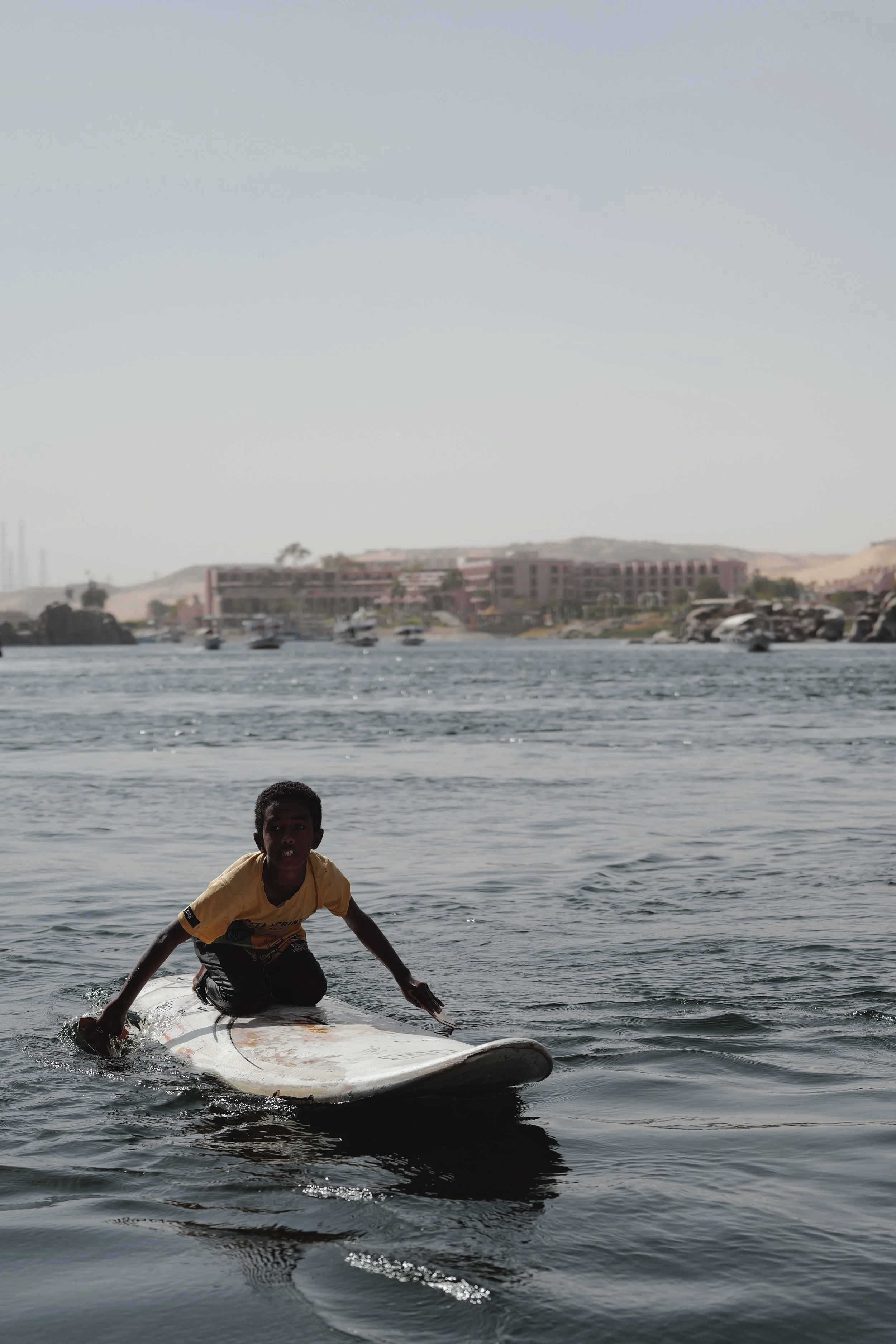
Before returning on board, a last stop to the Philae Temple - set on a small island in the Nile near Aswan, is one of Egypt’s most enchanting ancient sites, often described as a temple that seems to float on water. Dedicated primarily to Isis, goddess of magic, motherhood, and healing, Philae was a major center of worship from the Ptolemaic era through the Roman period. What makes Philae especially remarkable is its modern story: when the construction of the Aswan High Dam threatened to submerge it forever, the entire complex was carefully dismantled and relocated stone by stone to nearby Agilkia Island in the 1960s, where it still stands beautifully preserved.
Another special day has come to an end - be sure to make the most of your last evening on board!
Day 8 - Abu Simbel and the magic of the Nile
Once you’ve gotten this far, you definitely cannot give up the last and one of the most iconic Egypt’s treasures: Abu Simbel. You can reach the site in 3-4 hours by car, or with a 40-minute flight, which we definitely recommend, not only because it takes less, but also because the view from the plane is unparalleled.
Situated near the border of Sudan, Abu Simbel is a grand, awe-inspiring testament to the power and ambition of Pharaoh Ramses II. Carved directly into a sandstone cliff in southern Nubia around 1264–1244 BCE, the complex consists of two rock-cut temples overlooking the Nile, originally built to assert Egyptian presence near the Nubian border and honor both the gods and the pharaoh himself. The main temple is dominated by four colossal seated statues of Ramses II, each about 20 meters high, guarding the entrance with almost supernatural stillness. Inside, the temple extends deep into the mountain, aligned so precisely with the sun that twice a year - on February 22nd and October 22nd - sunlight illuminates the inner sanctuary and the gods seated within, sparing only the shadowed figure of Ptah, the god of darkness. This solar miracle is one of the most extraordinary feats of ancient Egyptian engineering.
Beside the great temple stands a smaller but equally elegant one dedicated to Queen Nefertari and the goddess Hathor.
In the 1960s, the construction of the Aswan High Dam threatened to submerge Abu Simbel beneath Lake Nasser. In an unprecedented international effort led by UNESCO, both temples were cut into massive blocks and relocated to higher ground, preserving them for future generations. This rescue operation is considered one of the greatest archaeological relocation projects ever undertaken.
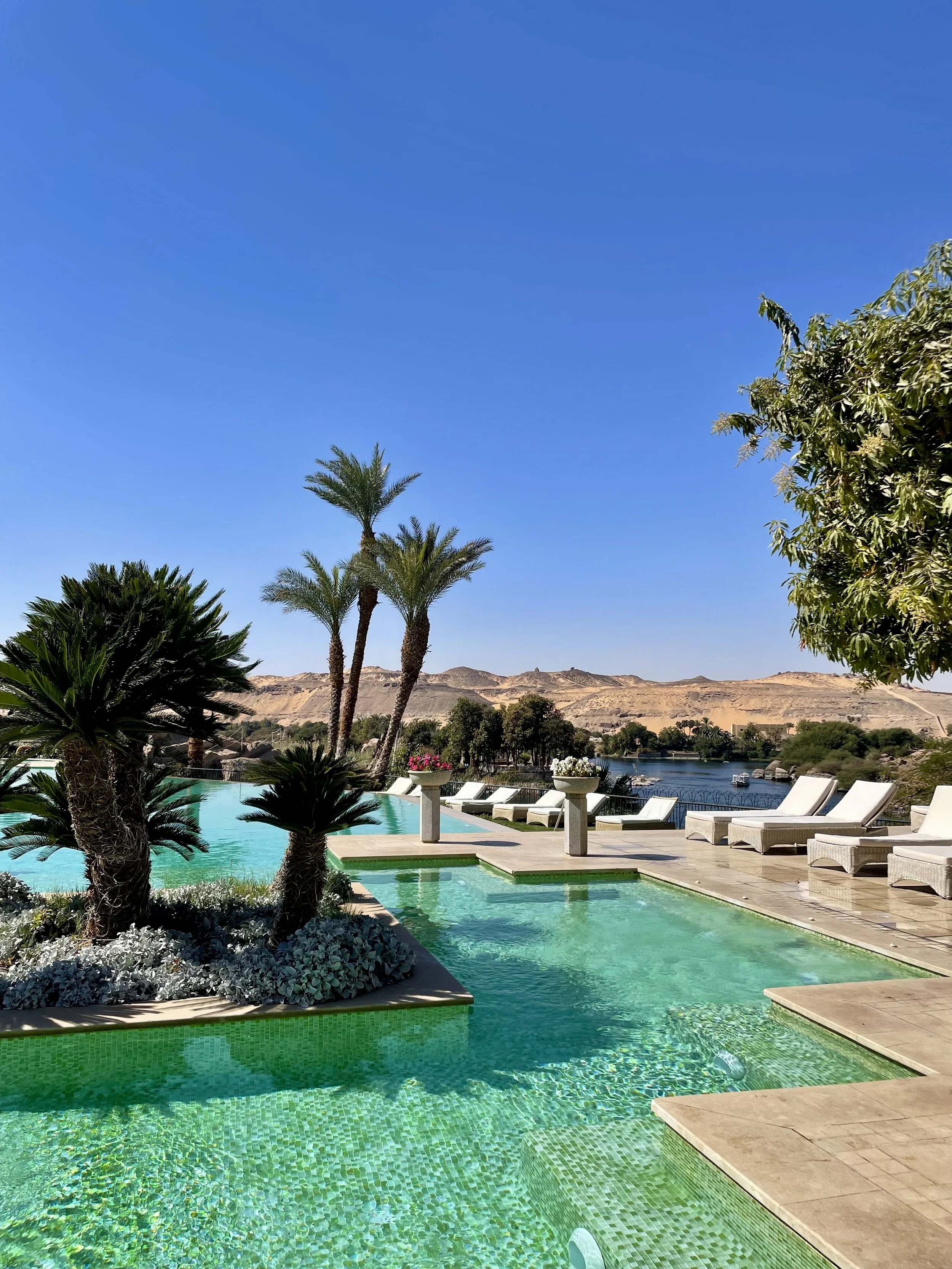
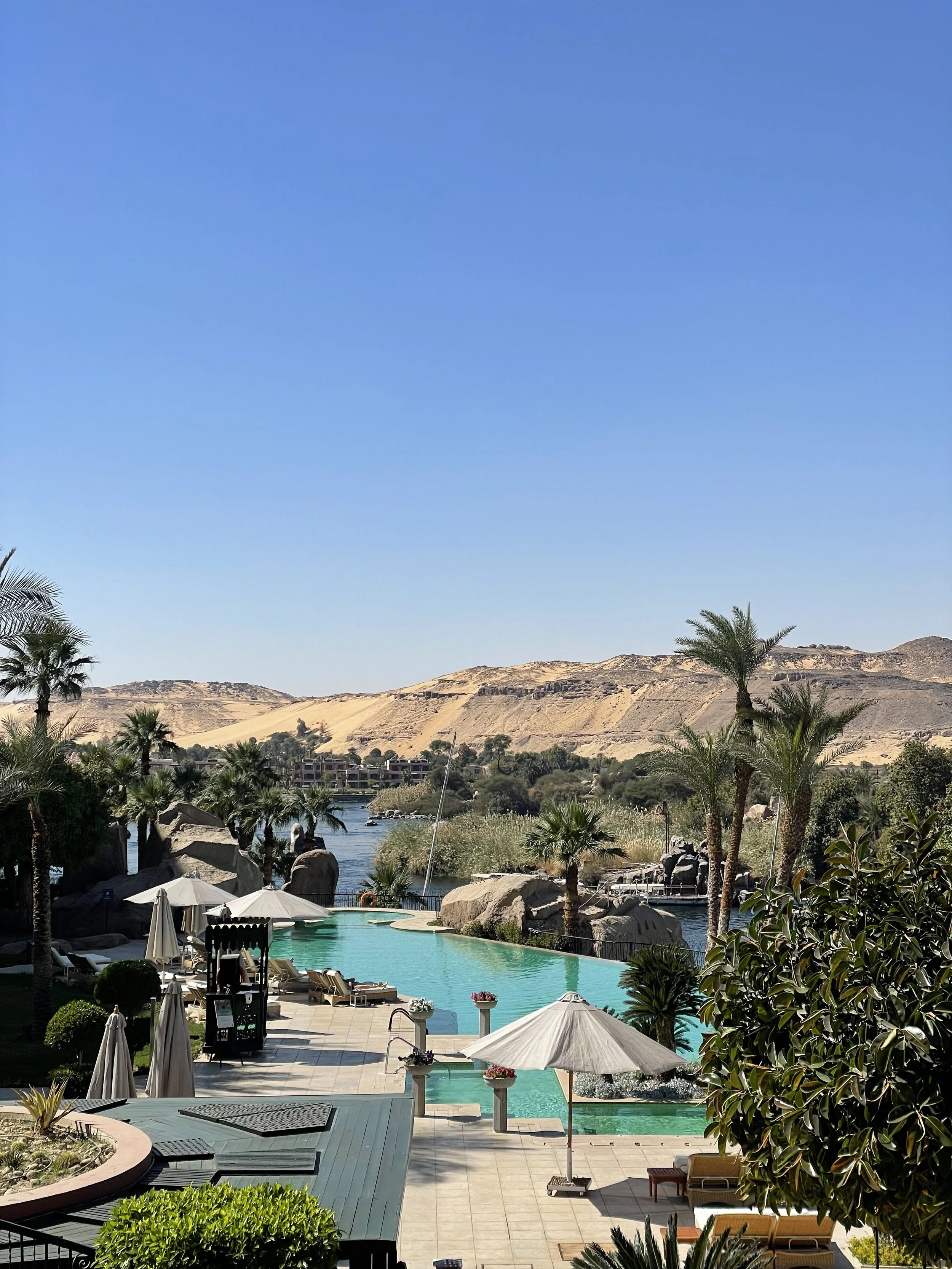
Once back in Aswan, we suggest you spend a night there and take a full day to enjoy this small but vibrant city. There are not many beautiful options for your stay, but the Old Cataract Hotel won’t definitely disappoint, above all for the insane view over the Nile. This historic hotel hosted - Amongst thousands of guests - Agatha Christie, Winston Churchill and Princess Diana.
If you went to Abu Simbel with an early morning plane, you’ll probably be back in Aswan by lunch time. Enjoy your meal by the Old Catarcat’s insane pool and take the afternoon to chill and rest by the Nile.
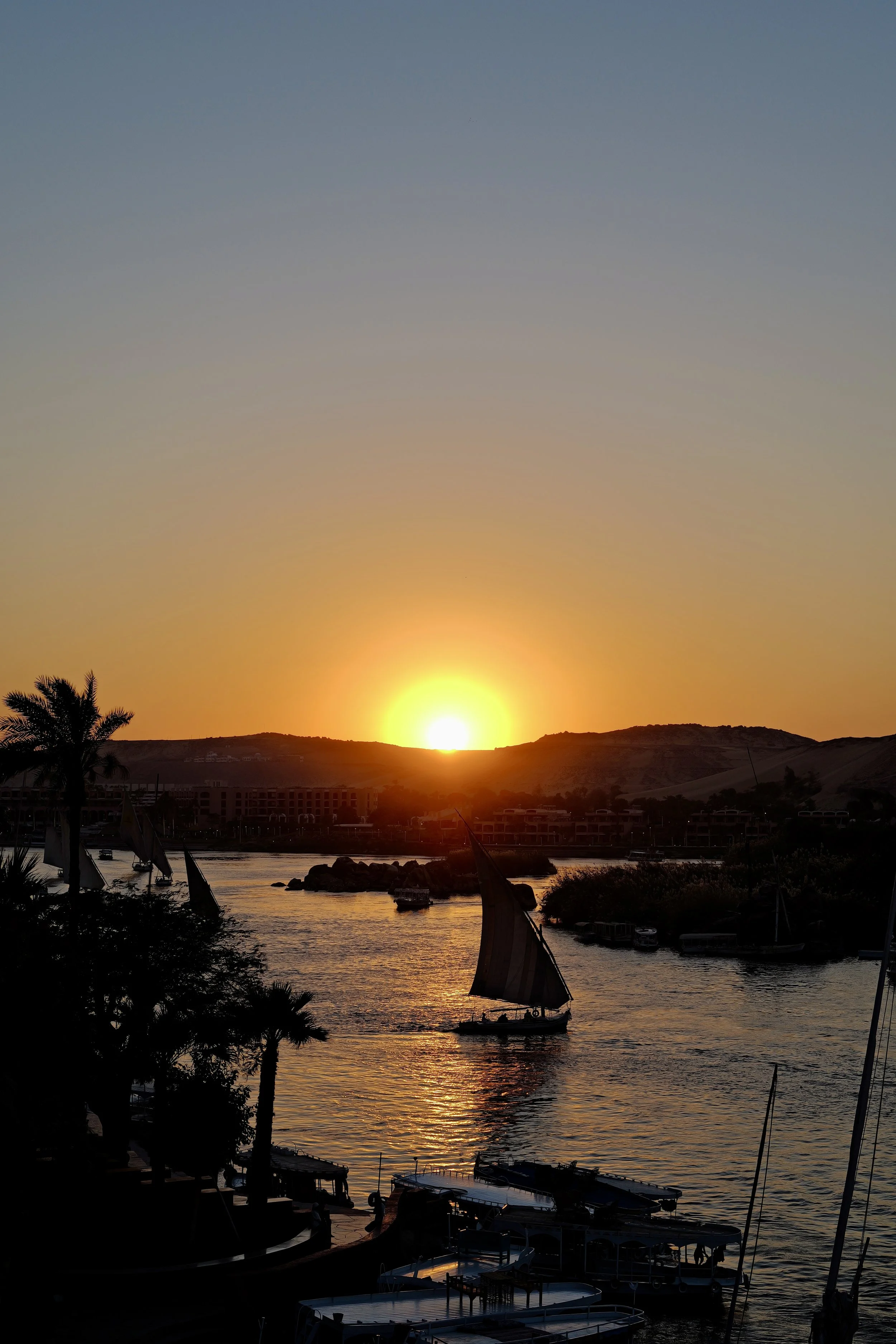
You’re now ready for one of the most amazing sunset experiences of your life: book a table at the Terrace (one of the Old Cataract’s bars) and sit there to enjoy the felucca show.
End your day with a tasty dinner at one of the Old Cataract’s restaurants - you can choose from different cuisines, and we decided to stay local.
Day 9 - Aswan’s market and the colorful Nubian Village
Aswan is one of Egypt’s most enchanting cities, sitting at the southern edge of Upper Egypt along the Nile, close to the border with Sudan. Often described as a serene, sun-drenched haven, it’s a striking contrast to the bustling streets of Cairo or Luxor. With its relaxed pace, palm-lined streets, and sparkling Nile views, Aswan feels like the heart of a slower, timeless Egypt.
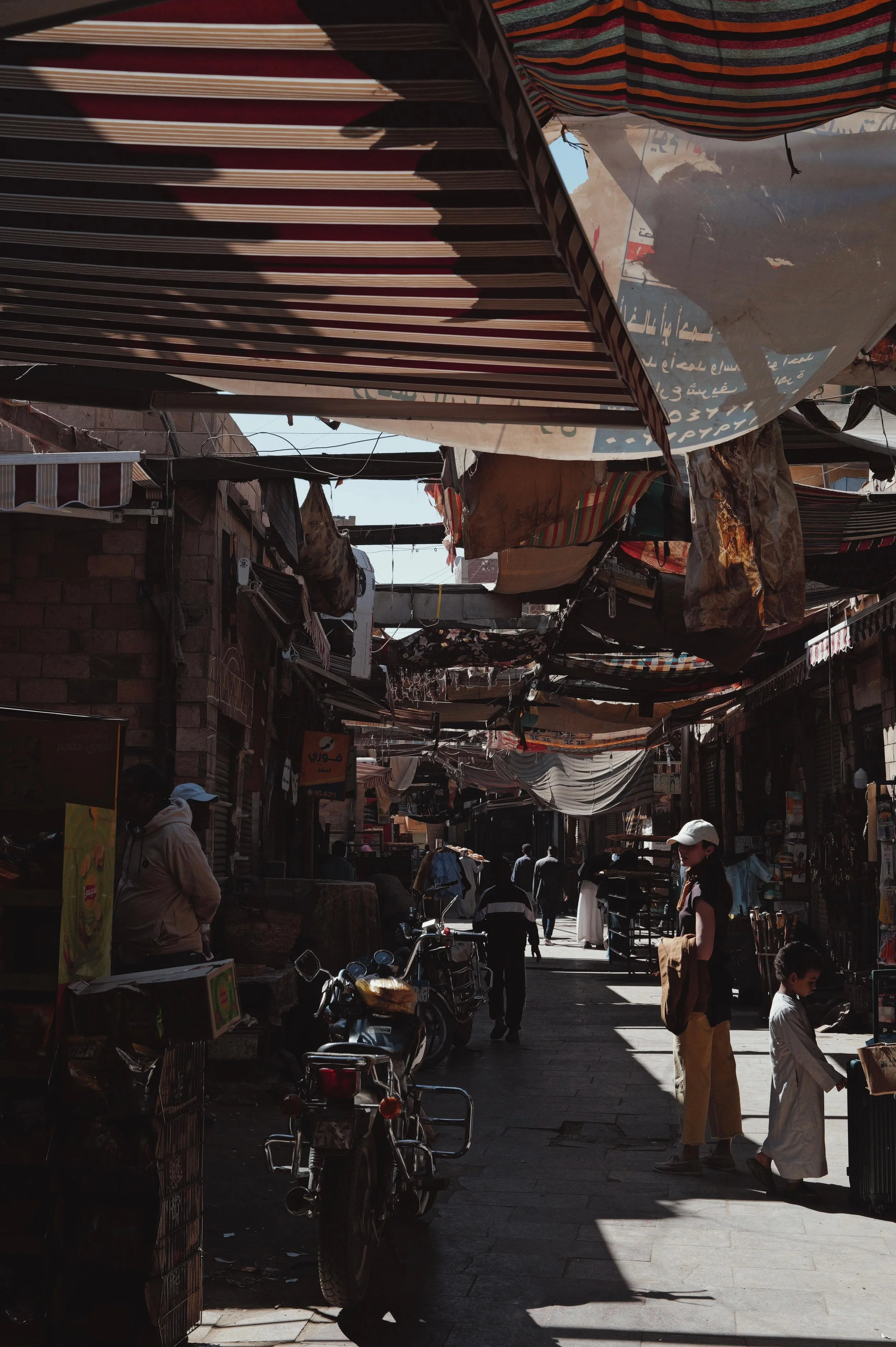
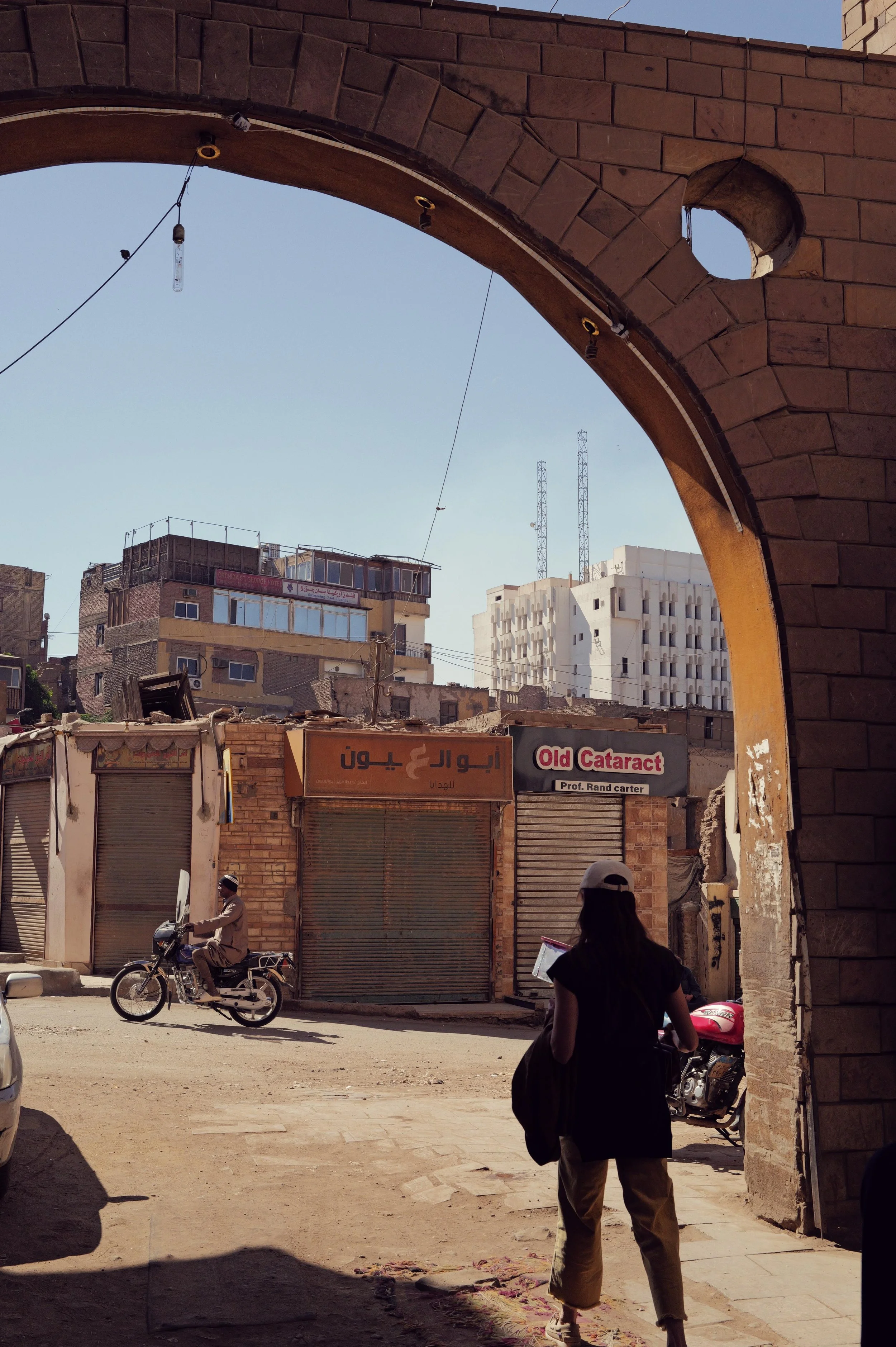
Take the morning to walk around the city, being sure not to miss the market - rest assured it will be a full sensory experience, and a highly genuine one (we barely saw other tourists during our walk). It’s overall safe to go around on your own. If you want to be extra safe, avoid bringing your camera with you and avoid empty and secondary streets.
We decided to hit back the Nile and go visit the Nubian Village and to sleep there in a Nubian house, for a real authentic Nubian experience. It is actually very convenient to sleep there if you have an early morning flight (as we did), as it’s very close to the airport.
The Nubian villages near Aswan offer a glimpse into a world that has preserved its unique identity for thousands of years. The Nubians are an ethnic group originally from southern Egypt and northern Sudan, and their villages are renowned for brightly painted homes, traditional crafts, and warm hospitality. Many of these settlements were relocated during the construction of the Aswan High Dam in the 1960s, but the communities retained their distinctive architecture and folklore. Visiting a Nubian village allows travelers to explore handmade pottery, textiles, and jewelry, taste local cuisine, and even meet villagers who proudly share stories of their heritage.
Although the village itself unfortunately has become pretty touristy and the chance to find some handmade, original product is quite rare, the houses and people who live here maintained an authentic and warm approach - you’ll probably be invited to go inside their homes and meet their crocodiles. You read correctly! All families have at least one or two crocodiles, which they’re very proud of!
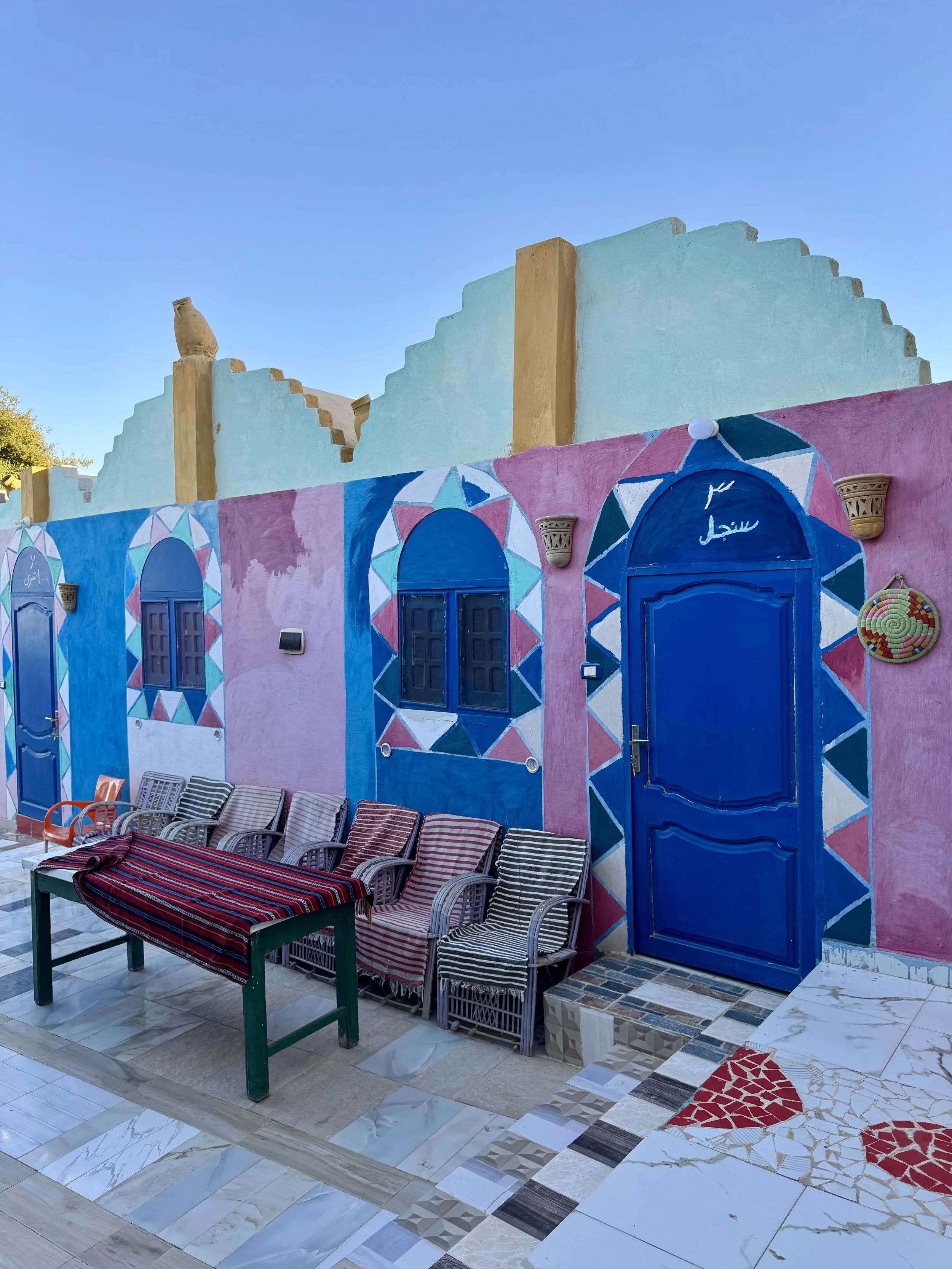

We stayed the night at the Kamel House (you can find it on booking.com), a real Nubian house where a family lives. Both the owners, Mohammed and Fatima, were great hosts - she prepared a beautiful typical dinner for us, and he brought us to the airport the morning after.
It’s time to say goodbye to this incredible Country, knowing you’ll definitely want to go back in the future. If you need any further suggestions or help designing your trip, do not hesitate to reach out to us!
Our practical suggestions for you
How long: From one week to more, depending on what you want to see.
Season: From November to March - Summer months are unbearably hot.
How to travel through the country: Depending on the kind of trip you’re planning, you can either rent a car, or move with buses or planes.
Cairo’s restaurants: Felfela, Khan El Khalili Restaurant & Naguib Mahfouz Cafe
Other cruise’s options:
Another option that seems worth it is Soleil - they only opened at the end of 2023 and looking it up, it seems to have a five-star service, high-quality food, and comfortable accommodations.
If you’re looking for unparalleled luxury and exclusivity, check out Storia.
Practical advice:
If you don’t have enough time to do it all together, we suggest you do Cairo in 3-4 days and Luxor, Aswan and Abu Simbel in 7-9 days.
Hire a guide when you go visiting the temples and sites. It changes the whole experience!
Be aware that everyone will ask you for tips, so make sure to have local money to give them.
If you buy something, even if you think you’re making a great deal, you’re probably paying three-four times the price. Don’t be afraid to negotiate the prices!
If you’re flying with Egyptair, be aware that the flights are almost always late. Don’t risk tight connections.